

Operation Process and Working Principle of Sodium Hypochlorite Powder Pneumatic Conveying System
Understanding the operation process and working principle of a sodium hypochlorite powder pneumatic conveying system is crucial for ensuring efficient and safe material handling in industrial applications. This system is designed to transport sodium hypochlorite powder, a widely used chemical in water treatment and disinfection processes, from storage to processing units. The following sections provide a detailed overview of the system's operation, key components, and the underlying principles that enable its effective functioning.
System Overview and Key Components
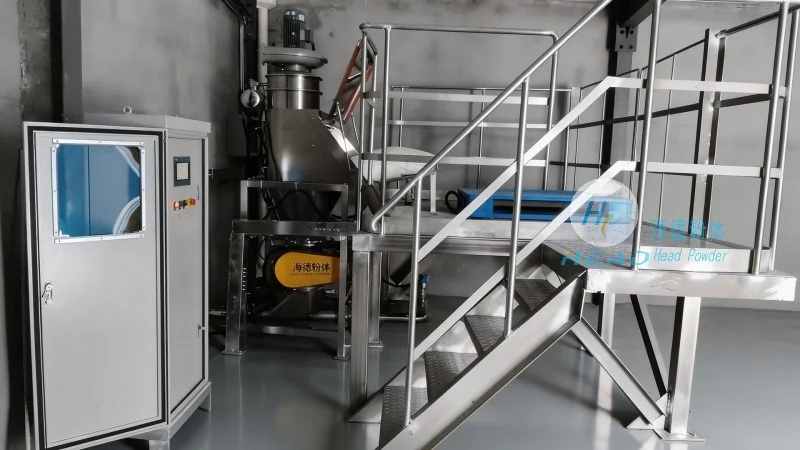
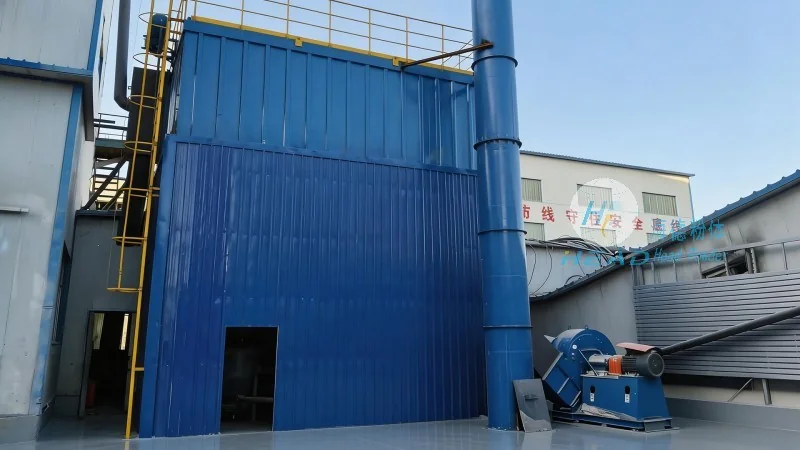
The sodium hypochlorite powder pneumatic conveying system typically consists of several core components that work in tandem to achieve material transport. These include a powder storage silo, a feeding mechanism, a conveying pipeline, a control system, and a dust collection unit. The storage silo is used to hold the sodium hypochlorite powder in a contained environment, ensuring that the material remains dry and free from contamination. The feeding mechanism, often a rotary valve or a screw feeder, regulates the flow of powder from the silo into the conveying pipeline. The conveying pipeline, usually made of stainless steel or other corrosion-resistant materials, transports the powder under pressure using air or other gases. The control system monitors and adjusts the flow rate, pressure, and other parameters to maintain optimal operation. Finally, the dust collection unit captures any fine particles that may escape during the conveying process, ensuring environmental compliance and worker safety. The system is designed and manufactured by Shandong HeadPowder Engineering Co., Ltd., a leading provider of industrial material handling solutions, with a focus on safety and efficiency.
Operation Process of the Pneumatic Conveying System
The operation of the sodium hypochlorite powder pneumatic conveying system follows a systematic sequence of steps. Initially, the powder is stored in the silo, where it is kept under controlled conditions to prevent caking or moisture absorption. When the system is activated, the feeding mechanism starts to discharge the powder into the conveying pipeline. Simultaneously, the control system activates the air compressor or blower, which generates the necessary airflow to move the powder through the pipeline. The powder particles are suspended in the air stream and transported to the destination point, such as a reactor or a processing tank. The speed and pressure of the air are carefully managed to ensure that the powder is conveyed without excessive pressure drops or particle degradation. The system continues to operate until the required amount of powder has been transferred, after which the feeding mechanism and air compressor are shut down. The entire process is automated and can be controlled remotely, allowing for precise and consistent material handling. The company ensures that the system's control logic is robust, with built-in safety interlocks to prevent over-pressurization or other hazardous conditions.
Working Principle: Pneumatic Conveying Technology
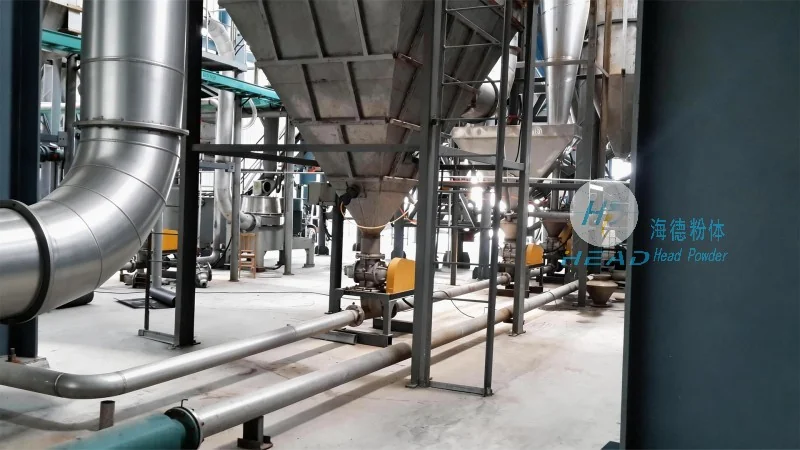
The working principle of the sodium hypochlorite powder pneumatic conveying system is based on the fundamental concept of pneumatic transport, where solid particles are carried by a moving gas stream. This technology can be categorized into two main types: pressure and vacuum systems. In a pressure system, the air is compressed and introduced at the discharge end of the pipeline, pushing the powder forward. In a vacuum system, the air is drawn from the receiving end, creating a negative pressure that pulls the powder into the pipeline. For sodium hypochlorite powder, a pressure system is commonly used due to its ability to handle higher material loads and longer distances. The key to efficient pneumatic conveying is the balance between the air velocity and the particle size. If the air velocity is too low, the powder may settle and cause blockages; if it is too high, the particles may be damaged or the system may experience excessive energy consumption. The system's design, including the pipeline diameter, length, and bends, is optimized to maintain the optimal air velocity for the specific powder characteristics. Shandong HeadPowder Engineering Co., Ltd. employs advanced computational fluid dynamics (CFD) modeling to simulate and optimize the system's performance, ensuring that the design meets the client's operational requirements.
Benefits and Applications of the System
The sodium hypochlorite powder pneumatic conveying system offers several advantages over traditional bulk material handling methods, such as bucket elevators or belt conveyors. One of the primary benefits is the ability to transport the powder in a closed system, which minimizes dust emissions and prevents contamination from external sources. This is particularly important for sodium hypochlorite, which is a hazardous chemical that requires strict handling protocols. Another advantage is the system's flexibility, as it can be easily integrated with existing industrial processes and adapted to different production scales. The system is widely used in water treatment plants, where it is used to transport sodium hypochlorite for disinfection purposes. It is also used in other industries, such as paper manufacturing and textile processing, where the chemical is used as a bleaching agent or a disinfectant. The system's ability to handle large volumes of powder efficiently and safely makes it an essential component in modern industrial operations. The company's systems are engineered to meet international standards, ensuring compliance with regulations in various regions.
Maintenance and Safety Considerations
Proper maintenance and adherence to safety guidelines are essential for ensuring the long-term performance and reliability of the sodium hypochlorite powder pneumatic conveying system. Regular maintenance tasks include cleaning the conveying pipeline and silo to prevent caking or buildup, inspecting the feeding mechanism and control system for wear and tear, and checking the air compressor or blower for proper operation. It is also important to monitor the system's performance parameters, such as pressure and flow rate, to detect any potential issues early. Safety considerations are paramount due to the hazardous nature of sodium hypochlorite. The system should be equipped with appropriate safety features, such as explosion-proof components and dust collection systems, to prevent accidents and protect workers. Regular training for operators on the safe operation of the system is also necessary to ensure compliance with industry regulations and minimize the risk of incidents. Shandong HeadPowder Engineering Co., Ltd. provides comprehensive maintenance services and safety training programs to support clients in maintaining their systems effectively.