

Operation Process and Working Principle of Caustic Soda Powder Pneumatic Conveying
Caustic soda, also known as sodium hydroxide, is a widely used chemical in various industrial applications. The efficient and safe transportation of caustic soda powder from storage to processing units is crucial for maintaining production efficiency and ensuring operational safety. Pneumatic conveying systems have emerged as a reliable method for handling caustic soda powder, offering advantages such as reduced dust exposure, improved material handling, and enhanced process control. This article provides an overview of the operation process and working principle of caustic soda powder pneumatic conveying, highlighting key components, operational steps, and the benefits of this technology.
Key Components of Pneumatic Conveying Systems for Caustic Soda Powder
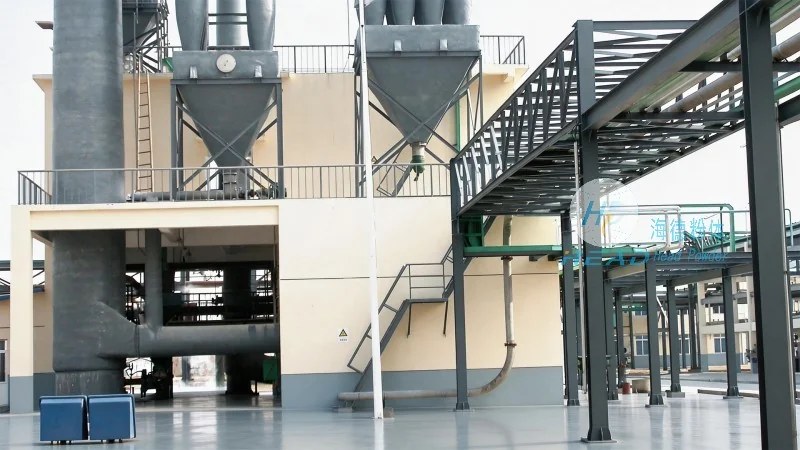
The pneumatic conveying system for caustic soda powder typically consists of several essential components that work in tandem to facilitate the material transport. The primary components include a hopper or feeder for material storage and feeding, a conveying line (usually made of stainless steel to resist corrosion from caustic soda), a blower or air compressor to generate the necessary airflow, a control valve to regulate air pressure and flow, and a receiver or discharge hopper for material collection. Additionally, filters and cyclones may be integrated into the system to separate air from the conveyed powder and prevent dust contamination. The choice of materials for these components is critical, as caustic soda is highly corrosive and can degrade standard metal or plastic parts over time. Stainless steel, particularly 316L, is commonly used for components that come into direct contact with the powder to ensure durability and safety.
Working Principle of Pneumatic Conveying for Caustic Soda Powder
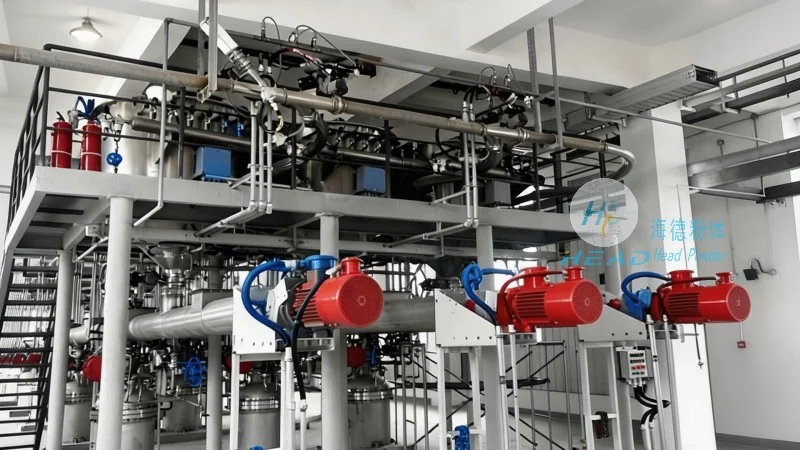
The working principle of a pneumatic conveying system for caustic soda powder involves the use of compressed air to move the powder through a pipeline. The process begins with the material being fed from the hopper into the conveying line. The blower then generates a high-pressure airflow, which creates a vacuum or positive pressure within the line, depending on the system design. As the air flows through the line, it entrains the caustic soda powder particles, forming a slurry-like mixture that is transported to the discharge point. The air and powder mixture then passes through a filter or cyclone, where the air is separated from the powder. The purified air is typically vented to the atmosphere, while the caustic soda powder is collected in the receiver hopper for further processing. The system operates by maintaining a consistent airflow and pressure to ensure smooth and continuous material transport. The velocity of the air and the size of the powder particles are key factors that determine the efficiency of the conveying process. Proper design of the system, including the diameter of the conveying line and the air velocity, is essential to prevent particle degradation or blockages.
Operation Process of Caustic Soda Powder Pneumatic Conveying
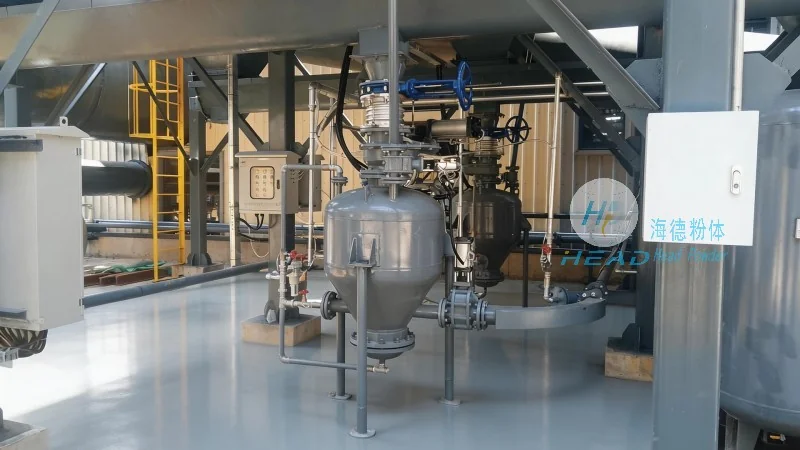
The operation process of a caustic soda powder pneumatic conveying system involves several sequential steps to ensure safe and efficient material handling. The first step is the preparation of the system, which includes checking the integrity of all components, ensuring proper air pressure and flow rates, and verifying that the hopper and receiver are empty or have the correct initial load. Once the system is prepared, the material feeding process begins. The caustic soda powder is fed from the storage hopper into the conveying line at a controlled rate, typically using a rotary valve or screw feeder. The blower then starts, generating the required airflow to transport the powder. The system monitors the pressure and flow parameters to ensure the conveying process is stable. During operation, the system continuously feeds the powder and maintains the airflow until the desired amount of material has been transported to the receiver. The discharge process involves opening the receiver's outlet valve to allow the collected caustic soda powder to be transferred to the next processing unit. After the conveying cycle is complete, the system is shut down, and the air is vented to release any residual powder from the lines. The entire process is typically automated, with sensors and control systems monitoring key parameters to prevent overloading or system failures. Regular maintenance, such as cleaning filters and checking for leaks, is essential to maintain the system's performance and longevity.
Benefits and Considerations of Pneumatic Conveying for Caustic Soda Powder
Pneumatic conveying systems offer several benefits for handling caustic soda powder, making them a preferred choice in many industrial applications. One of the primary advantages is the reduction of dust exposure, which improves workplace safety and reduces the risk of respiratory issues for operators. Unlike mechanical conveying systems, which may generate significant dust and require additional dust control measures, pneumatic conveying keeps the powder contained within the system, minimizing environmental contamination. Another benefit is the ability to transport caustic soda powder over long distances without the need for multiple transfer points or manual handling. This enhances production efficiency by streamlining the material flow and reducing downtime. Additionally, pneumatic conveying systems can handle varying powder characteristics, including different particle sizes and moisture contents, making them versatile for various caustic soda applications. However, there are also considerations to keep in mind when implementing such systems. The high cost of initial setup and the need for regular maintenance can be significant factors. Furthermore, the system's performance is highly dependent on the proper design and operation, as improper airflow or pressure can lead to blockages or material degradation. Proper training of operators and regular system checks are essential to mitigate these risks and ensure optimal performance.
Applications of Caustic Soda Powder Pneumatic Conveying
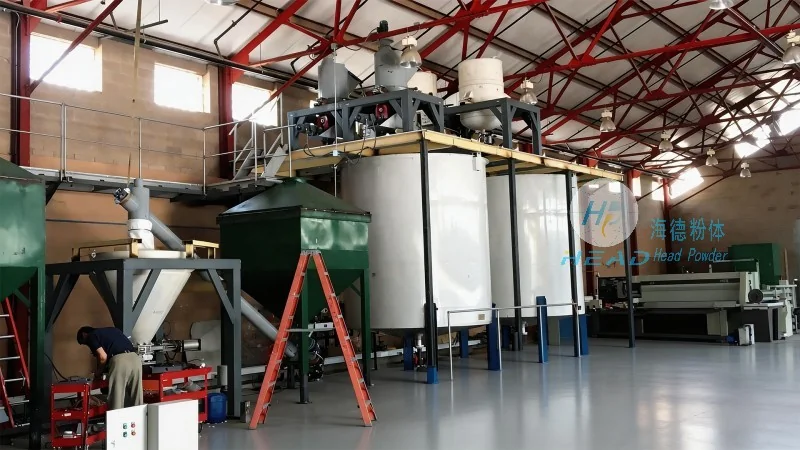
The applications of caustic soda powder pneumatic conveying span across various industries where caustic soda is used as a raw material or processing agent. In the chemical industry, these systems are commonly used to transport caustic soda from storage silos to reactors or processing units, ensuring a continuous supply of material for chemical synthesis. In the pulp and paper industry, caustic soda is used for papermaking processes, and pneumatic conveying systems help transport the powder to the paper machines or treatment units. The food industry also utilizes caustic soda for processing and cleaning, and pneumatic conveying ensures safe and efficient handling of the powder in food processing facilities. Additionally, in the water treatment industry, caustic soda is used for pH adjustment and water softening, and pneumatic conveying systems facilitate the transport of the powder to treatment plants. The versatility of pneumatic conveying systems makes them suitable for a wide range of caustic soda applications, from small-scale laboratory use to large-scale industrial production.