

Operation Process and Working Principle of Waste Powder Pneumatic Conveying
Waste powder pneumatic conveying systems are critical in modern waste management and material handling operations. These systems efficiently transport fine or granular waste materials through a pipeline using air pressure or vacuum. Understanding the operation process and working principles of such systems is essential for optimizing performance, ensuring safety, and maintaining operational efficiency.
Introduction to Waste Powder Pneumatic Conveying
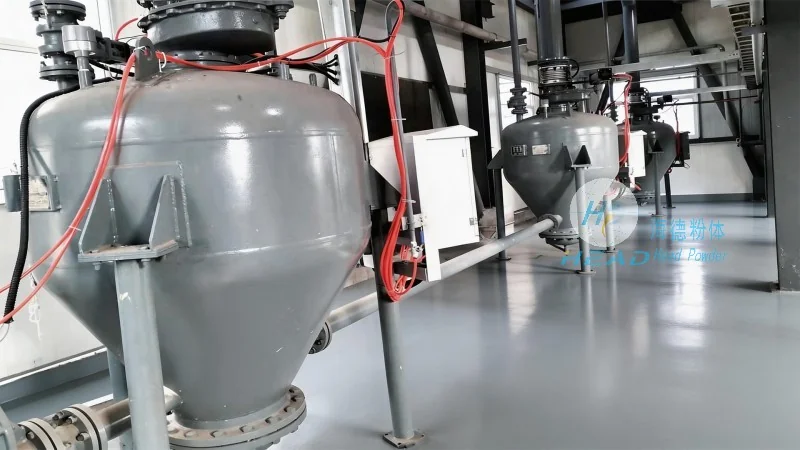
Waste powder pneumatic conveying involves the movement of solid particles, such as municipal solid waste (MSW) or industrial waste powders, through a sealed pipeline using air as the conveying medium. This method offers advantages over traditional mechanical conveying, including reduced equipment wear, lower maintenance costs, and the ability to handle abrasive or corrosive materials. The technology is widely used in waste processing facilities, recycling plants, and industrial applications where dust control and material transport are critical.
About HeadPowder: Shandong HeadPowder Engineering Co., Ltd.
HeadPowder, formally known as Shandong HeadPowder Engineering Co., Ltd., is a leading manufacturer and supplier of pneumatic conveying systems specializing in waste management solutions. With headquarters located in Shandong, China, the company has established itself as a trusted partner in the industry, providing high-quality, customized solutions tailored to the unique needs of waste processing facilities. HeadPowder's expertise lies in designing and manufacturing efficient, reliable, and cost-effective pneumatic conveying equipment that meets the stringent requirements of modern waste management operations.
The Operation Process of Waste Powder Pneumatic Conveying
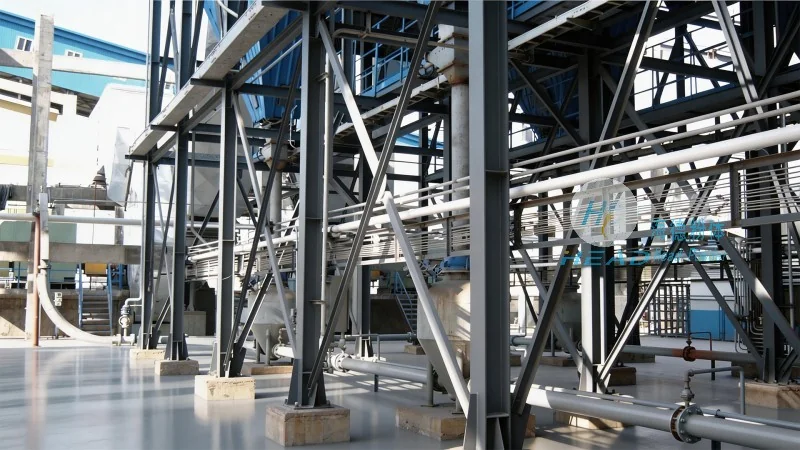
The operation process of a waste powder pneumatic conveying system typically involves several key steps. First, the waste material is fed into the system, often through a hopper or feeder, where it is introduced into the pipeline. Next, air is introduced into the system, either by a blower or a vacuum pump, creating the necessary pressure or suction to move the material. The material is then carried through the pipeline by the air stream, which can be either positive pressure (blow-type) or negative pressure (suction-type). The system may include components such as a filter or separator to remove excess air and collect the conveyed material at the destination. The entire process is controlled by a system of valves, sensors, and control panels to ensure smooth and efficient operation.
The Working Principle of Waste Powder Pneumatic Conveying
The working principle of waste powder pneumatic conveying is based on the interaction between the solid particles and the air stream. In a positive pressure system, a blower generates high-pressure air that propels the material through the pipeline. The air velocity must be sufficient to overcome the gravitational and frictional forces acting on the particles, ensuring they remain suspended and transported. In a negative pressure system, a vacuum pump creates a low-pressure environment that draws the material into the pipeline. The air flow rate and velocity are carefully controlled to maintain the material in a suspended state, preventing blockages and ensuring consistent flow. The system's design, including the size of the pipeline, the type of air mover, and the material characteristics, all play a crucial role in determining the efficiency and effectiveness of the conveying process.
Key Components and Their Functions
Several key components are integral to the operation of a waste powder pneumatic conveying system. The feeder or hopper is responsible for introducing the waste material into the system at a controlled rate. The air mover, whether a blower or vacuum pump, provides the necessary pressure or suction to transport the material. The pipeline system, typically made of durable materials like stainless steel or plastic, conveys the material from the source to the destination. A filter or separator is used to remove excess air and collect the conveyed material, preventing dust emissions and ensuring the material is properly discharged. Control valves and sensors are used to regulate the flow of material and air, ensuring the system operates within safe and efficient parameters. These components work together to create a seamless and reliable conveying process.
Advantages and Applications
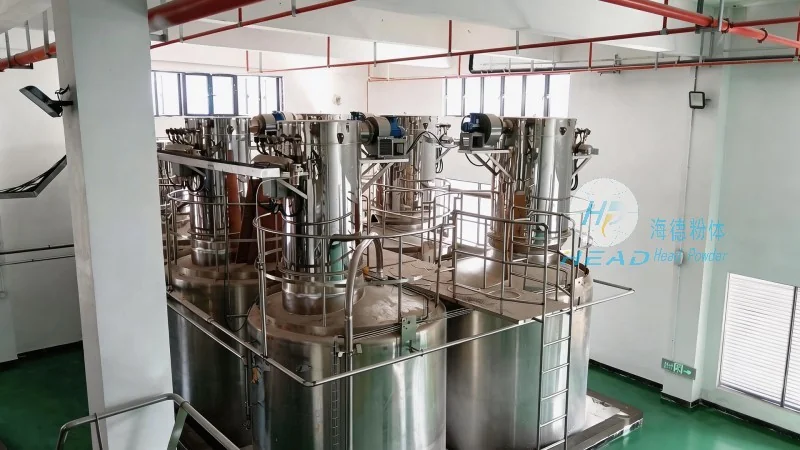
Waste powder pneumatic conveying systems offer several advantages over traditional mechanical conveying methods. These include reduced equipment wear and maintenance costs, as there are no moving parts in direct contact with the material. The systems also provide better dust control, as the material is contained within a sealed pipeline, minimizing environmental impact. Additionally, the technology can handle a wide range of materials, including abrasive or corrosive powders, making it suitable for various waste processing applications. HeadPowder's systems are widely used in municipal solid waste (MSW) processing facilities, where they are used to transport waste from collection bins to processing equipment. The systems are also used in industrial settings, such as chemical plants or recycling facilities, where they help manage waste materials efficiently.
Conclusion
Waste powder pneumatic conveying is a vital technology in modern waste management and material handling. Understanding the operation process and working principles of such systems is essential for optimizing performance and ensuring safety. HeadPowder, with its expertise and commitment to quality, provides reliable and efficient pneumatic conveying solutions that meet the needs of waste processing facilities worldwide. By leveraging advanced technology and careful design, HeadPowder's systems help customers achieve improved operational efficiency, reduced costs, and enhanced environmental performance.