

The Operation Process and Working Principle of Dry Manure Powder Pneumatic Conveying
HeadPowder, a leading engineering company based in Shandong, China, specializes in the design and implementation of advanced pneumatic conveying systems for handling dry manure powders. This technology represents a significant advancement in agricultural waste management, offering efficient and hygienic solutions for transporting manure from production sites to processing or treatment facilities. The following sections will detail the operational process and underlying principles of this system, highlighting its key components and functional mechanisms.
Key Components of the Pneumatic Conveying System
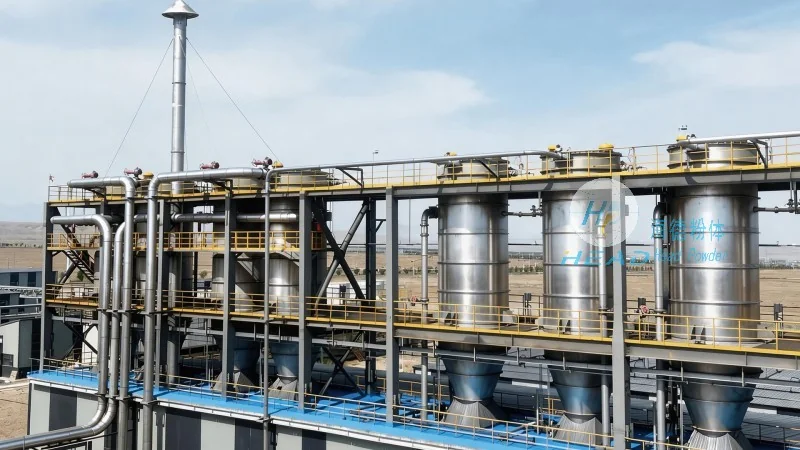
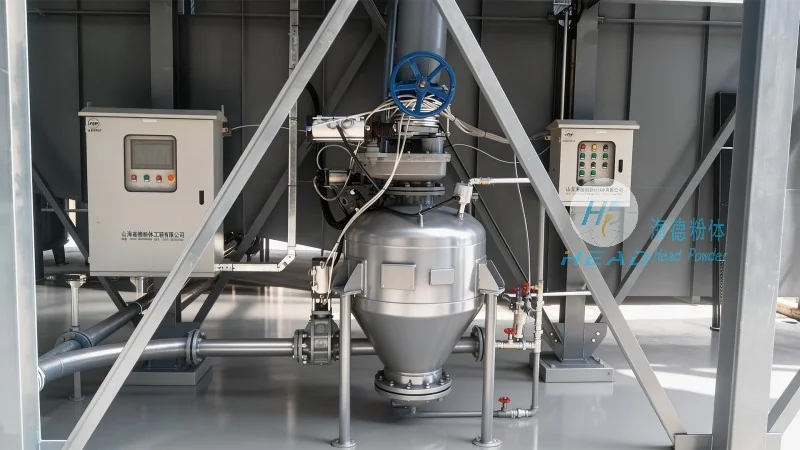
The dry manure powder pneumatic conveying system consists of several critical components that work in concert to ensure reliable and efficient material transport. At the core of the system is the conveying pipeline, typically made from durable materials such as stainless steel or high-density polyethylene to withstand the abrasive nature of manure powders and resist corrosion. The pipeline is equipped with various accessories, including inlet and outlet valves, which control the flow of material and air within the system. Additionally, the system incorporates air supply units, such as blowers or compressors, that generate the necessary air pressure to move the dry manure particles through the pipeline. A filter and separator is also essential, as it removes any fine particles or moisture from the air to maintain system efficiency and prevent blockages. Finally, the system may include control panels that allow operators to monitor and adjust the conveying parameters in real-time, ensuring optimal performance.
The Operational Process of Dry Manure Powder Pneumatic Conveying
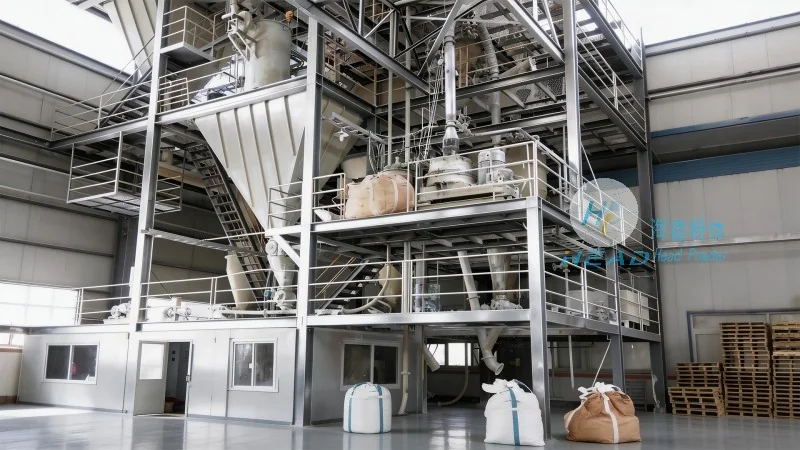
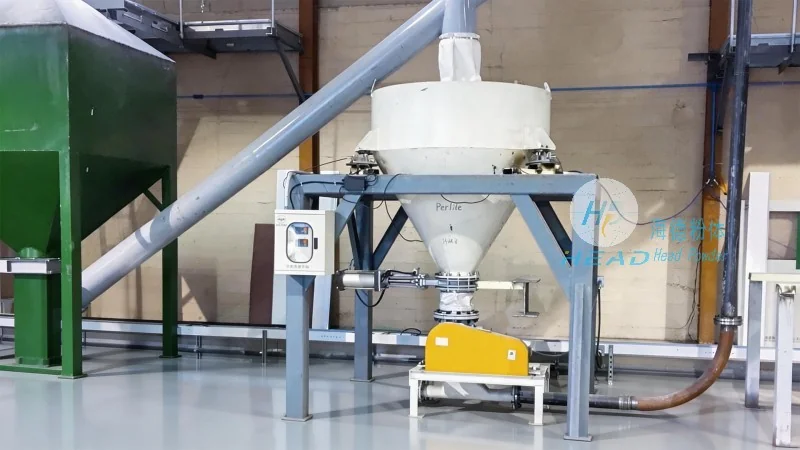
The operation of the dry manure powder pneumatic conveying system follows a systematic sequence of steps, each designed to ensure the smooth and continuous transport of material. The process begins with the loading of dry manure into the system. This is typically done using a hopper or a loading station that feeds the manure into the conveying pipeline. The manure is then introduced into the pipeline along with a controlled amount of air, which acts as the conveying medium. The air, under pressure from the blower or compressor, creates a flow that lifts and propels the manure particles through the pipeline. As the material travels, it passes through various sections of the pipeline, including bends and elbows, which are designed to minimize pressure loss and maintain consistent flow rates. The conveying process continues until the manure reaches the discharge point, where it is collected in a storage tank or processing unit. Throughout the operation, the system continuously monitors air pressure, flow rate, and material level to ensure that the conveying process remains stable and efficient. Any deviations in these parameters are automatically adjusted by the control panel to maintain optimal performance.
Working Principle of the Pneumatic Conveying System
The working principle of the dry manure powder pneumatic conveying system is based on the fundamental concept of fluidization and air movement. The system operates by creating a high-velocity air stream within the pipeline, which is sufficient to suspend and transport the dry manure particles. This principle is known as air-assisted conveying, where the air acts as both the conveying medium and the energy source for moving the material. The key to the system's efficiency lies in the balance between air pressure and material feed rate. If the air pressure is too low, the manure particles may not be fully suspended, leading to blockages or reduced throughput. Conversely, if the air pressure is too high, excessive energy consumption may occur, and the system may become noisy and inefficient. The control panel plays a crucial role in maintaining this balance by adjusting the air supply and material feed rates in real-time. Additionally, the system's design incorporates features such as air locks and separation chambers to prevent the buildup of pressure and to separate the manure from the air stream, ensuring that the system operates safely and reliably.
Advantages of Dry Manure Powder Pneumatic Conveying
Compared to traditional methods of manure transport, such as trucking or mechanical conveyors, the dry manure powder pneumatic conveying system offers several significant advantages. First, it provides a hygienic and odorless transport solution, as the manure is contained within the pipeline and does not come into contact with the external environment. This reduces the risk of contamination and odor complaints from nearby communities. Second, the system offers high efficiency in terms of material throughput, with the ability to transport large volumes of manure over long distances with minimal energy consumption. Third, the system is space-saving, as it eliminates the need for large storage areas or extensive infrastructure for mechanical conveyors. Finally, the system is low-maintenance, as it has fewer moving parts and requires less frequent repairs compared to traditional systems. These advantages make the dry manure powder pneumatic conveying system an ideal solution for modern agricultural operations seeking to improve their waste management practices.
Applications and Industries
The dry manure powder pneumatic conveying system is widely used in various industries, particularly in the agricultural sector. It is commonly employed in livestock farms, where it is used to transport manure from animal housing to composting or processing facilities. The system is also used in poultry farms, where the high volume of manure produced requires efficient and reliable transport solutions. Additionally, the system is applicable in swine and cattle operations, where the need to manage large quantities of manure is critical for maintaining environmental compliance and operational efficiency. Beyond agriculture, the system can also be used in waste management facilities that process organic waste, as well as in industrial settings where dry powders need to be transported over long distances. The versatility of the system makes it suitable for a wide range of applications, from small-scale farms to large industrial operations.
Conclusion
HeadPowder's dry manure powder pneumatic conveying system represents a cutting-edge solution for the efficient and hygienic transport of agricultural waste. By leveraging advanced pneumatic technology, the system offers significant advantages over traditional transport methods, including improved efficiency, reduced environmental impact, and enhanced operational safety. The company's expertise in engineering and design ensures that each system is tailored to meet the specific needs of its clients, providing customized solutions that optimize performance and minimize costs. As the demand for sustainable waste management practices continues to grow, the dry manure powder pneumatic conveying system will play an increasingly important role in the agricultural industry, helping to reduce environmental impact and improve overall operational efficiency.