

Operation Process and Working Principle of Pneumatic Conveying for Crystalline Powders
HeadPowder, a leading provider in the field of powder handling technology, specializes in the design, manufacturing, and implementation of pneumatic conveying systems for crystalline powders. This article delves into the operation process and working principles of such systems, highlighting the key components and mechanisms that ensure efficient and reliable material transport.
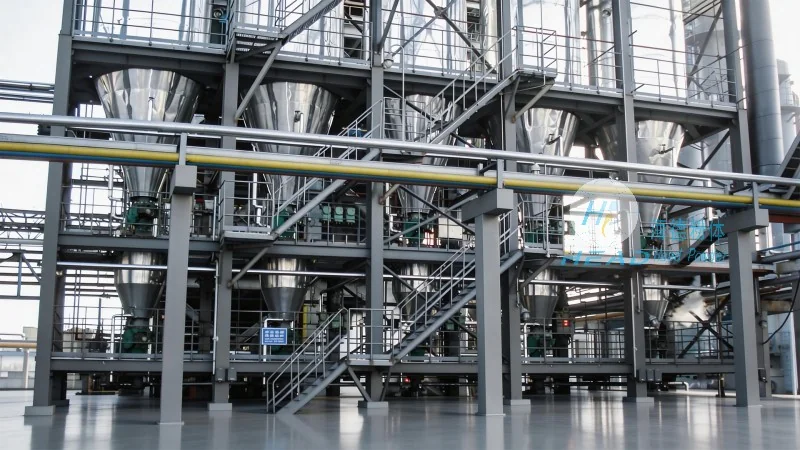
Understanding Pneumatic Conveying Systems
Pneumatic conveying, also known as air conveying, is a method of transporting bulk materials like crystalline powders through a pipeline using pressurized or suction air. The system typically consists of a hopper for material storage, a conveyor line, and a receiver for the discharged material. The core of the system is the air flow, which can be generated by positive pressure (blowers or compressors) or negative pressure (vacuum pumps). For crystalline powders, which often have specific flow characteristics and require gentle handling to prevent agglomeration or degradation, the design of the conveying system is critical.
Key Components of a Pneumatic Conveying System
The main components of a pneumatic conveying system for crystalline powders include the following:
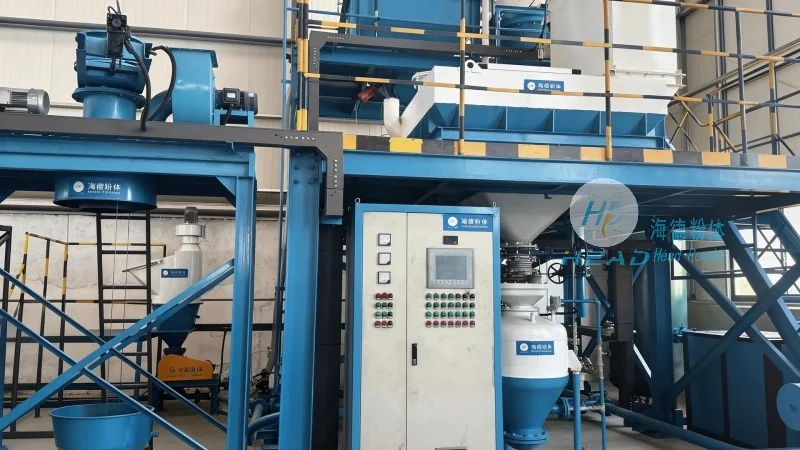
- Material Hopper: A container that holds the crystalline powder, ensuring a consistent feed to the system. The hopper is often equipped with a feeder, such as a rotary valve or a screw feeder, to control the flow rate of the material.
- Conveying Line: The pipeline through which the powder and air travel. The material is suspended in the air stream and transported to the receiver. The design of the line, including the diameter and length, affects the conveying capacity and pressure drop.
- Air Supply Unit: This component generates the necessary air pressure or vacuum. For positive pressure systems, blowers or compressors provide the air, while for negative pressure systems, vacuum pumps create the suction. The air supply unit is matched to the system's requirements based on the material's properties and the desired conveying rate.
- Receiver: The container where the conveyed crystalline powder is deposited. The receiver may include a dust collection system to prevent environmental contamination and ensure safety.
- Control System: A set of sensors and controls that monitor and regulate the operation of the system. This includes pressure sensors, flow meters, and control valves to maintain optimal conditions and prevent overloading or system failure.
Working Principle of Pneumatic Conveying
The working principle of a pneumatic conveying system for crystalline powders involves several stages. Initially, the material is fed from the hopper into the conveying line. The air supply unit then generates the required air flow, which is introduced into the line either at the inlet (for positive pressure systems) or at the receiver end (for negative pressure systems). In a positive pressure system, the air is blown into the line, creating a pressure higher than the ambient air, which forces the powder to move through the line. The powder particles are suspended in the air stream due to the drag force exerted by the air, allowing them to be transported efficiently. In a negative pressure system, the air is drawn from the line, creating a vacuum that pulls the powder from the hopper into the receiver. The air flow rate is adjusted to maintain a stable suspension of the powder particles, preventing blockages or uneven flow.

Operation Process of Pneumatic Conveying
The operation process of a pneumatic conveying system for crystalline powders typically follows these steps:

- System Preparation: Before starting, the system is checked for proper functioning of all components, including the air supply unit, feeders, and receivers. The hopper is filled with the crystalline powder, and the control system is set to the desired operating parameters.
- Start-up: The air supply unit is activated, and the feeder begins to discharge the material into the conveying line. The air flow is adjusted to ensure the powder is properly suspended and transported. The system is monitored to ensure that the pressure or vacuum levels are within the specified range.
- Conveying: The material is continuously transported from the hopper to the receiver. The flow rate is controlled by adjusting the feeder speed or the air flow rate. The system operates until the hopper is empty or the receiver is full.
- Shutdown: When the conveying is complete, the air supply unit is turned off, and the feeder is stopped. The system is then allowed to vent any remaining air to prevent pressure buildup or vacuum issues. The receiver is then opened to discharge the material.
- System Maintenance: Regular maintenance is performed to ensure the system's longevity and efficiency. This includes cleaning the hopper and conveying line, checking for wear and tear on components, and replacing any worn parts. Proper maintenance helps to prevent system failures and ensures consistent performance.
Benefits of Pneumatic Conveying for Crystalline Powders
Pneumatic conveying systems offer several advantages when handling crystalline powders:
- Efficient Material Transport: The system can transport crystalline powders over long distances with minimal loss and high efficiency, making it suitable for industrial applications where large quantities of material need to be moved.
- Gentle Handling: The air flow suspends the powder particles, preventing them from coming into direct contact with each other or the pipeline walls. This gentle handling is crucial for crystalline powders, which can be sensitive to abrasion or degradation.
- Reduced Downtime: The continuous operation of the system reduces downtime compared to other material handling methods, such as manual loading or mechanical conveyors.
- Space Efficiency: Pneumatic conveying systems can be installed in tight spaces, as the pipeline can be routed horizontally or vertically to fit the available area.
- Environmental Safety: The system includes dust collection and filtration to prevent environmental contamination and ensure workplace safety.
Conclusion
HeadPowder's expertise in designing and implementing pneumatic conveying systems for crystalline powders ensures that clients receive reliable and efficient solutions tailored to their specific needs. By understanding the operation process and working principles of such systems, businesses can optimize their material handling processes, improve productivity, and maintain product quality. With proper design and maintenance, pneumatic conveying systems provide a cost-effective and sustainable solution for transporting crystalline powders in various industrial applications.