

Operating Process and Working Principle of Organic Fertilizer Granular Material Conveying System Equ
HeadPowder, a leading manufacturer in the field of material handling equipment, specializes in providing efficient and reliable solutions for the transportation of organic fertilizer granules. This article delves into the operational process and working principles of their granular material conveying system, highlighting the key components, functions, and the seamless integration of technology to ensure optimal performance in agricultural and industrial applications.
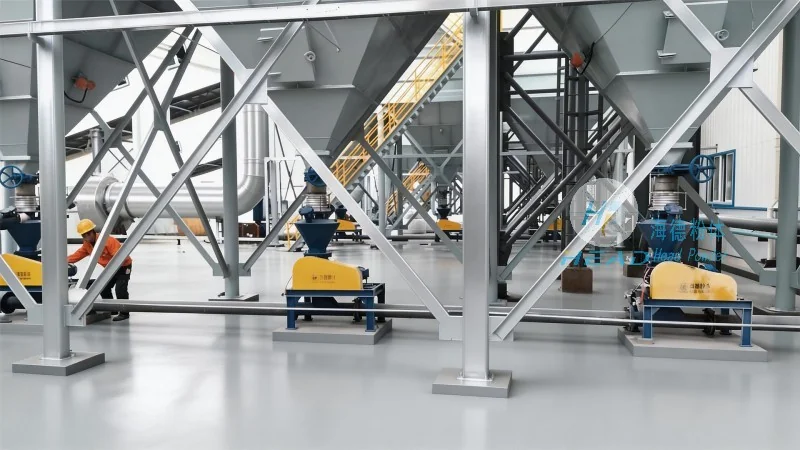
Key Components of the Conveying System
The organic fertilizer granular material conveying system by Shandong HeadPowder Engineering Co., Ltd. is engineered with precision, incorporating several critical components that work in harmony to facilitate smooth material movement. The primary elements include the hopper, conveyor belt, drive system, and control panel. The hopper serves as the storage and feeding unit, where granular organic fertilizer is loaded and prepared for transport. It is designed with a sloped bottom to ensure uniform material flow, preventing blockages and ensuring consistent feeding rates. The conveyor belt, typically made of durable rubber or polyurethane, is responsible for carrying the granules from the hopper to the discharge point. The belt is supported by rollers and guided by idlers, which maintain proper alignment and reduce friction. The drive system, often an electric motor coupled with a gearbox or V-belt drive, provides the necessary power to move the conveyor belt at a controlled speed. This system allows for adjustable speed settings, enabling operators to optimize the conveying rate based on the material characteristics and system requirements. The control panel, equipped with sensors and a user-friendly interface, monitors the system's performance and allows for real-time adjustments. It includes features such as overload protection, speed control, and emergency stop buttons, ensuring safety and operational efficiency.
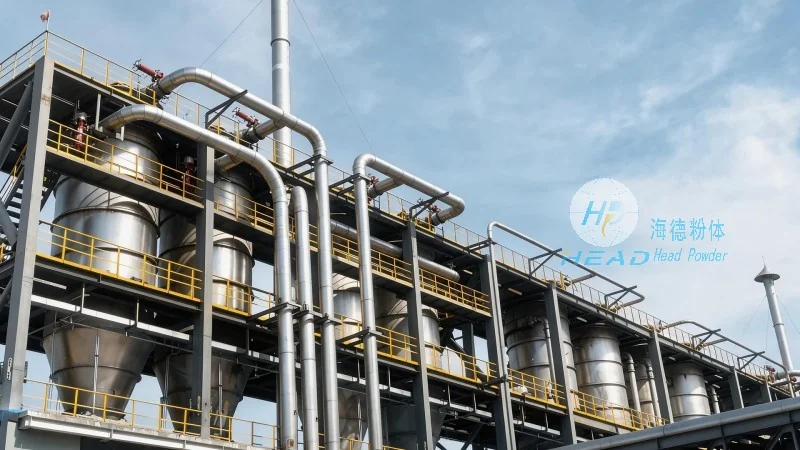
Operating Process of the Conveying System
The operation of the organic fertilizer granular material conveying system follows a systematic sequence that ensures efficient material handling. The process begins with the loading of granular organic fertilizer into the hopper. The material is fed into the hopper from a storage silo or bulk container, and the hopper's design ensures that the granules are evenly distributed. Once the hopper is filled to the desired level, the feeding mechanism, which may be a rotary valve or a screw feeder, starts to transfer the material into the conveyor belt. The conveyor belt then transports the granules from the hopper to the discharge point, which could be a storage silo, a processing unit, or a loading area for transportation. The speed of the conveyor belt is controlled by the drive system, allowing for adjustment to match the feeding rate and prevent material accumulation. The control panel continuously monitors the system's parameters, such as belt speed, material level in the hopper, and motor load. If any abnormal conditions are detected, such as an overload or a blockage, the system automatically activates the overload protection mechanism, stopping the conveyor belt and alerting the operator. The operator can then address the issue and resume operation once the problem is resolved. The entire process is designed to be automated, minimizing manual intervention and maximizing productivity. The system can be programmed to operate on a schedule or based on real-time demand, ensuring that the conveying process is consistent and reliable.
Working Principle of the Conveying System
The working principle of the organic fertilizer granular material conveying system is based on the principles of mechanical transport and material flow dynamics. The system utilizes a belt conveyor mechanism, which is a type of continuous conveyor system that moves materials along a fixed path. The belt, supported by rollers, carries the granular material from the inlet (hopper) to the outlet (discharge point). The drive system provides the rotational force to the rollers, which in turn moves the belt. The speed of the belt is determined by the motor's speed and the gear ratio of the drive system. By adjusting the motor speed or the gear ratio, the conveying rate can be controlled. The hopper's design plays a crucial role in the system's operation, as it must maintain a consistent material level to ensure a steady flow into the conveyor. The rotary valve or screw feeder at the hopper outlet regulates the flow rate of the material into the conveyor, preventing overfeeding or underfeeding. The control panel uses sensors to detect the material level in the hopper and the position of the conveyor belt. These sensors send signals to the control system, which adjusts the feeder speed accordingly. The system also incorporates safety features, such as emergency stop buttons and overload protection, to prevent damage to the equipment and ensure the safety of the operators. The overall working principle is to convert the potential energy of the material in the hopper into kinetic energy through the conveyor belt, facilitating the smooth and efficient transport of granular organic fertilizer. This principle ensures that the system operates with high efficiency, low energy consumption, and minimal maintenance requirements.
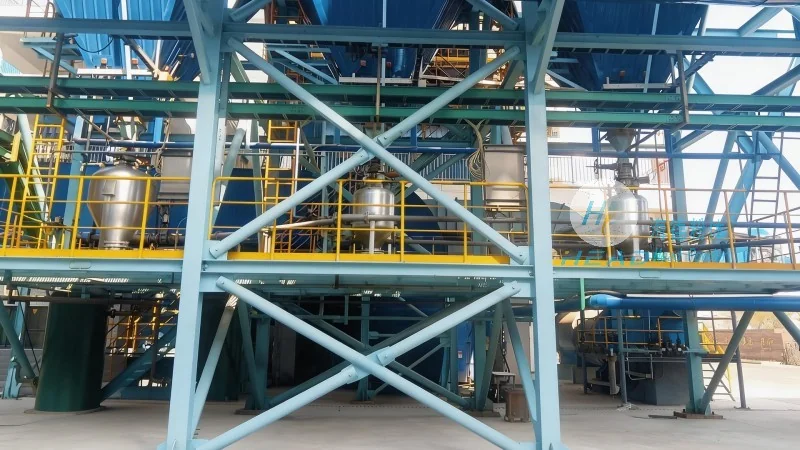
Advantages of the Conveying System
Shandong HeadPowder Engineering Co., Ltd.'s organic fertilizer granular material conveying system offers several advantages that make it a preferred choice for agricultural and industrial applications. One of the key advantages is its high efficiency in material handling. The system can transport large volumes of granular organic fertilizer at a consistent rate, reducing the time and labor required for manual handling. The automated operation minimizes human error and ensures consistent performance, which is crucial for maintaining the quality of the fertilizer. Another advantage is the system's durability and reliability. The components, such as the conveyor belt and rollers, are made of high-quality materials that can withstand the abrasive nature of organic fertilizer granules, reducing wear and tear and extending the system's lifespan. The system also features low maintenance requirements, as the design is simple and the moving parts are easily accessible for inspection and replacement. This reduces downtime and operational costs. Additionally, the system is designed to be flexible, allowing for adjustments in conveying rate and direction to accommodate different production needs. The control panel provides real-time monitoring and adjustment capabilities, enabling operators to optimize the system's performance based on changing conditions. The system's compact design makes it suitable for installation in various spaces, from small farms to large industrial facilities. The safety features, including overload protection and emergency stop buttons, ensure that the system operates safely, protecting both the equipment and the operators. Overall, the conveying system provides a cost-effective and efficient solution for the transportation of organic fertilizer granules, enhancing productivity and operational efficiency.