

Operation Process and Working Principle of Diatomite Material Conveying Lines
Shandong HeadPowder Engineering Co., Ltd., a leading enterprise in the field of material handling solutions, specializes in the design, manufacturing, and installation of advanced conveying systems. With a focus on efficiency and reliability, the company serves industries that require precise and consistent material transport, including the diatomite processing sector. HeadPowder, as the company is commonly known, is headquartered in Shandong, China, where it leverages local expertise and resources to deliver tailored solutions for diverse industrial applications.
The Importance of Efficient Diatomite Material Conveying
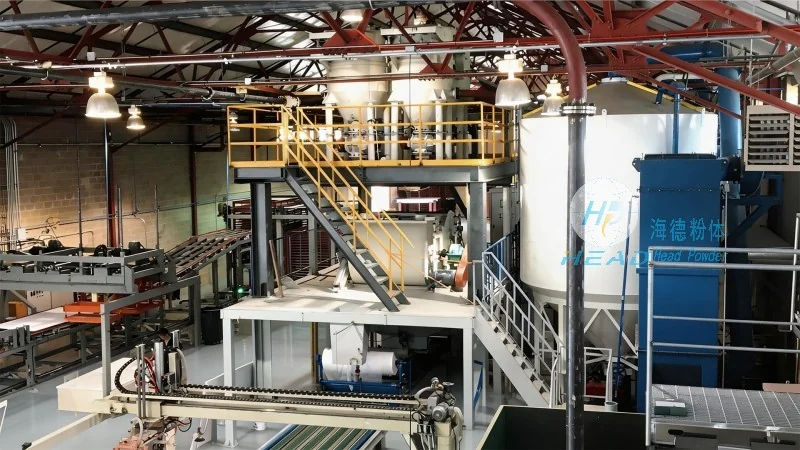
Diatomite, a natural sedimentary rock composed primarily of fossilized diatoms, is widely used in various industries such as filtration, catalysis, and construction due to its unique porous structure and high surface area. The efficient transport of diatomite from extraction sites to processing facilities is crucial for maintaining production continuity and ensuring product quality. A well-designed diatomite material conveying line addresses these challenges by integrating advanced components and control systems to handle the material's characteristics effectively.
Working Principle of Diatomite Material Conveying Lines
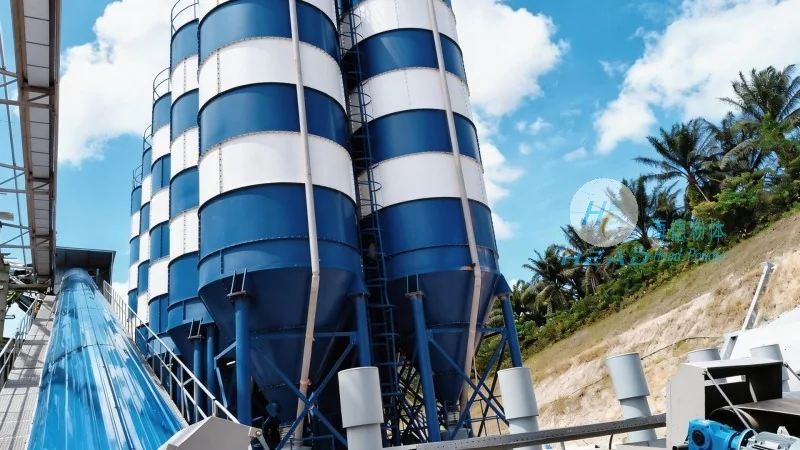
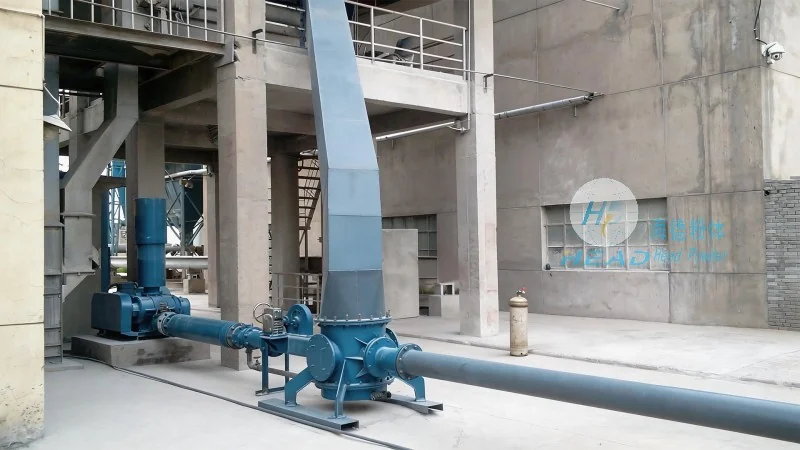
The operation of a diatomite material conveying line typically involves several key components working in tandem to ensure smooth material transport. The process begins with the material being loaded into a hopper or storage silo, where it is stored under controlled conditions to prevent moisture absorption or degradation. From the hopper, the material is fed into a conveyor system, which may include screw conveyors, belt conveyors, or pneumatic systems, depending on the specific requirements of the application. Screw conveyors are commonly used for horizontal or slight incline transport due to their ability to handle bulk materials without the need for external power sources other than the motor driving the screw. Belt conveyors, on the other hand, are ideal for longer distances and higher material volumes, utilizing a continuous belt that moves the material through rollers and idlers to maintain tension and prevent slippage. Pneumatic conveying systems, often used for fine powders like diatomite, employ air pressure to transport the material through a network of pipes, ensuring minimal product degradation and contamination.
Operation Process of Diatomite Material Conveying Lines
The operation process of a diatomite material conveying line is characterized by a series of sequential steps that ensure the material is moved from the source to the processing or packaging stage. The first step involves material intake, where the diatomite is collected from the extraction site or storage silo and transferred into the conveying system. This is typically achieved through a feeding mechanism, such as a rotary valve or a gate valve, which regulates the flow rate of the material into the conveyor. The second step is the actual transport phase, where the conveyor system moves the material along its path. During this phase, the system monitors key parameters such as speed, tension, and temperature to ensure optimal performance. The third step is material discharge, where the diatomite is delivered to the next stage of processing, such as a classifier, dryer, or packaging unit. The entire process is controlled by a programmable logic controller (PLC) or a distributed control system (DCS), which coordinates the operation of all components and adjusts parameters in real-time based on feedback from sensors. This automation ensures consistent material flow, reduces downtime, and enhances overall system efficiency.
Key Components and Advantages of Diatomite Conveying Systems
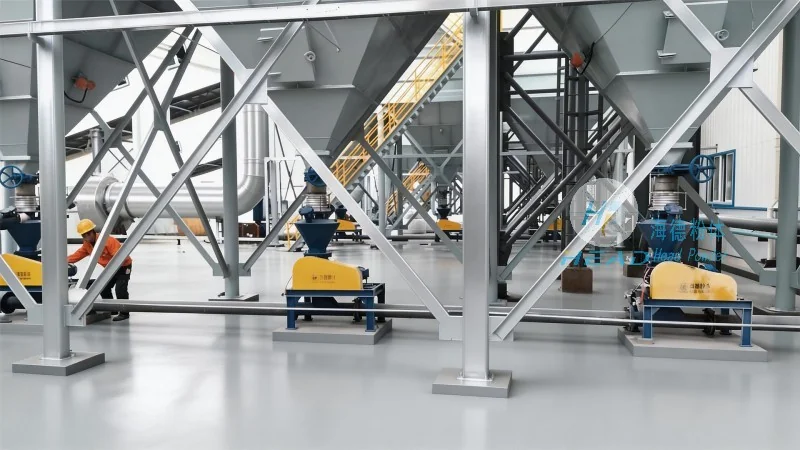
Modern diatomite material conveying lines are equipped with a range of components that work together to optimize performance and reliability. These components include hoppers for material storage, feeding devices to regulate intake, conveying mechanisms (screw, belt, or pneumatic) for transport, and discharge units for material delivery. Each component is designed to handle the specific characteristics of diatomite, such as its fine particle size and high moisture content, to prevent issues like clogging, blockages, or material degradation. The use of high-quality materials, such as stainless steel or corrosion-resistant alloys, ensures durability and resistance to the abrasive nature of diatomite. Additionally, advanced control systems, including sensors for level monitoring, speed control, and temperature regulation, provide real-time data and enable predictive maintenance, reducing the risk of system failures and extending the lifespan of the equipment.
HeadPowder's Commitment to Quality and Innovation
As a leading provider of material handling solutions, Shandong HeadPowder Engineering Co., Ltd. is committed to delivering high-quality diatomite material conveying lines that meet the specific needs of its clients. The company's team of engineers and technicians leverages years of experience and industry knowledge to design customized systems that enhance productivity, reduce operational costs, and ensure compliance with industry standards. HeadPowder's products are manufactured using advanced technology and rigorous quality control processes, ensuring that each system is reliable, efficient, and durable. The company also provides comprehensive after-sales support, including installation, training, and maintenance services, to ensure that clients can maximize the performance of their conveying lines and achieve long-term success in their operations.