

Operation Process and Working Principle of Sodium Phosphate Material Conveying Line
HeadPowder, a professional manufacturer based in Shandong, China, specializes in the design and production of industrial conveying systems. This article provides a detailed overview of the operation process and working principle of the sodium phosphate material conveying line, highlighting the key components and functional mechanisms that ensure efficient material handling in industrial applications.
Company Introduction
HeadPowder Engineering Co., Ltd. is a leading enterprise in the field of powder processing equipment. With a strong focus on innovation and quality, the company has established itself as a trusted supplier of conveying solutions for various industries. HeadPowder's headquarters is located in Shandong, China, where the company's research and development team continuously works on improving the performance and reliability of its products. The company's commitment to customer satisfaction and technological advancement has enabled it to serve a wide range of clients globally.
Overview of the Sodium Phosphate Material Conveying Line
The sodium phosphate material conveying line is a specialized system designed to transport sodium phosphate, a common industrial chemical, from one processing stage to another. This line is typically used in chemical plants, fertilizer production facilities, and other industrial settings where precise material handling is critical. The system integrates various components such as feeders, conveyors, and control units to ensure smooth and efficient operation. The design of the conveying line is tailored to meet the specific requirements of the application, including the material's properties, processing capacity, and environmental conditions.
Operation Process of the Conveying Line
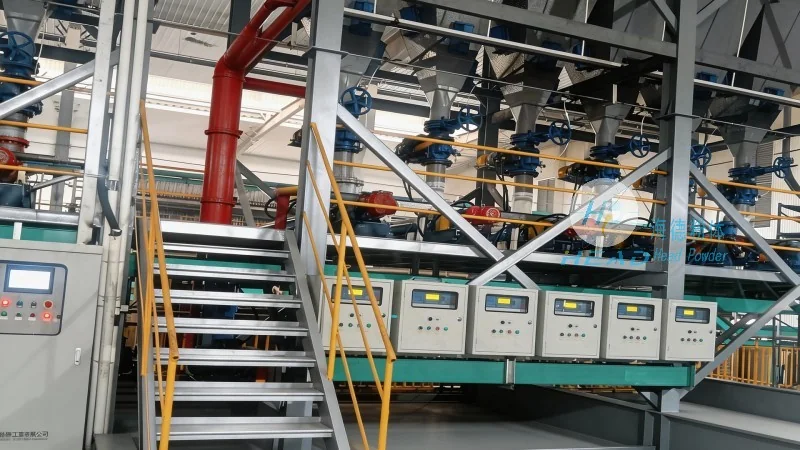
The operation of the sodium phosphate material conveying line involves several sequential steps that work together to move the material from the source to the destination. The process begins with the material being fed into the system, usually through a hopper or a silo. The feeder then regulates the flow of the material, ensuring a consistent and controlled rate of discharge. The material is then transferred to the conveyor system, which may consist of belt conveyors, screw conveyors, or pneumatic conveyors, depending on the specific application. The conveyor transports the material along the designated path, often elevating or moving it horizontally to reach the next processing unit. At the end of the conveyor, the material is discharged into a storage tank or a processing vessel. The entire operation is monitored and controlled by a programmable logic controller (PLC), which adjusts the speed of the feeder and conveyor based on real-time feedback from sensors. This control system ensures that the material flow is optimized, minimizing downtime and maximizing productivity.
Working Principle of the Conveying Line
The working principle of the sodium phosphate material conveying line is based on the mechanical transfer of material through a series of components. The primary mechanism involves the use of a feeder to provide a uniform flow of material to the conveyor. The feeder may be a rotary valve, a vibratory feeder, or a screw feeder, depending on the material's characteristics. The conveyor then uses mechanical force, such as friction or pressure, to move the material along its path. For example, a belt conveyor uses a motor-driven pulley to move the belt, which carries the material. A screw conveyor, on the other hand, uses a rotating screw to push the material forward. The control system plays a crucial role in maintaining the balance between the input and output rates, preventing overloading or underloading of the system. Sensors are used to detect the level of material in the hopper and the flow rate, providing data to the PLC for adjustments. The entire system operates in a closed loop, where the output is continuously monitored and adjusted to maintain the desired operating conditions. This closed-loop control ensures that the conveying line operates efficiently and reliably, even under varying load conditions.
Key Components and Their Functions
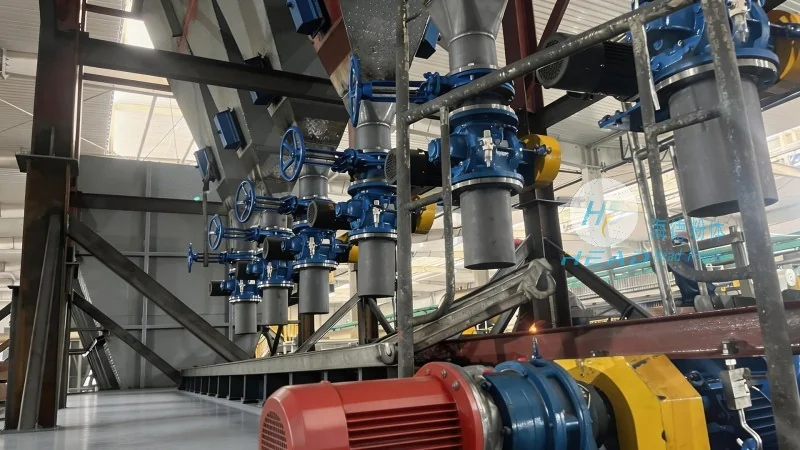
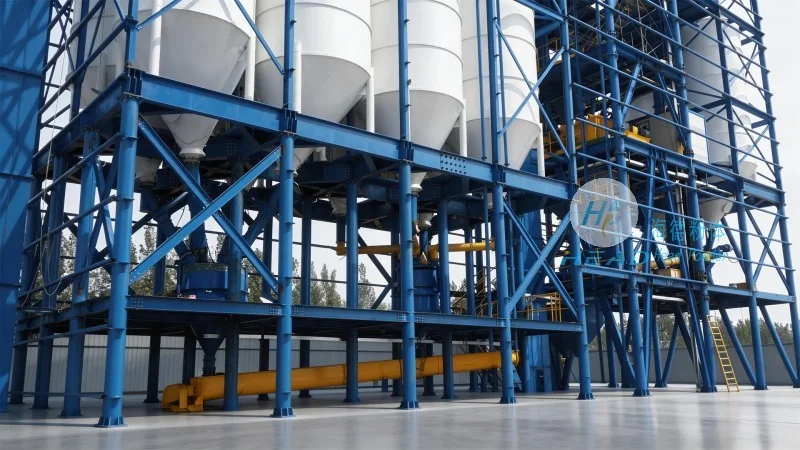
The sodium phosphate material conveying line consists of several key components, each with a specific function. The hopper or silo serves as the storage and feeding unit, holding the material and providing a consistent supply to the feeder. The feeder regulates the flow rate of the material, preventing it from flowing too quickly or too slowly. The conveyor is the main transport component, moving the material from the feeder to the discharge point. The control unit, typically a PLC, monitors and controls the operation of the feeder and conveyor, ensuring that the system operates within the desired parameters. Sensors are used to detect the level of material, the flow rate, and any blockages or malfunctions in the system. The motor provides the necessary power to drive the conveyor and feeder, ensuring that the system operates at the required speed. The frame and supports provide structural stability to the entire system, ensuring that it can withstand the weight and forces exerted by the material during operation.
Applications and Benefits
The sodium phosphate material conveying line is widely used in various industrial applications, including chemical processing, fertilizer production, and food processing. The system's ability to handle sodium phosphate efficiently and safely makes it an essential component in these industries. The benefits of using this conveying line include improved productivity, reduced labor costs, and enhanced safety. The system's design allows for easy integration with other processing equipment, enabling a seamless flow of materials throughout the production process. Additionally, the system's reliability and durability ensure long-term operation with minimal maintenance requirements. HeadPowder's expertise in designing and manufacturing conveying systems has enabled the company to provide customized solutions that meet the specific needs of its clients, ensuring optimal performance and cost-effectiveness.