

Operation Process and Working Principle of Barium Carbonate Material Conveying Line
Barium carbonate is a widely used chemical compound in various industrial applications, and the efficient handling of this material is crucial for maintaining production efficiency and safety. The barium carbonate material conveying line, as a specialized system designed for transporting barium carbonate, plays a vital role in modern chemical processing facilities. This article provides a detailed overview of the operation process and working principle of such a conveying line, highlighting the key components, operational procedures, and the technological advancements that enhance its performance.
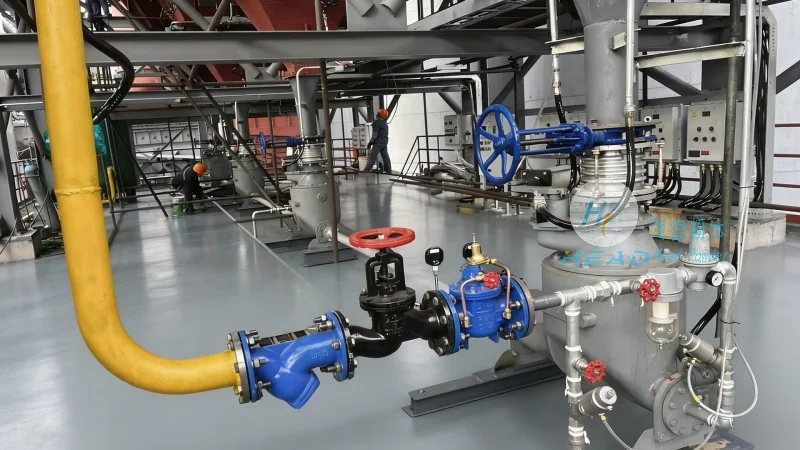
Overview of the Barium Carbonate Material Conveying Line
The barium carbonate material conveying line is a sophisticated system engineered to transport barium carbonate from storage or processing areas to the next stage of production. It typically consists of several interconnected components, including hoppers, feeders, conveyor belts or screw conveyors, and control systems. The design of this line is tailored to handle the specific properties of barium carbonate, such as its powder form and potential reactivity, ensuring that the material is moved safely and efficiently without degradation or contamination.
Key Components and Their Functions
Each component of the barium carbonate conveying line serves a specific purpose to ensure smooth operation. The hopper is the initial storage unit where raw barium carbonate is placed. It is designed with a sloped bottom to facilitate the flow of material into the feeder. The feeder, often a rotary valve or a vibratory feeder, regulates the flow rate of barium carbonate from the hopper to the conveyor system. This control is essential to prevent overloading or underloading of the conveyor, which could lead to inefficiencies or equipment damage. The conveyor system, which may be a belt conveyor or a screw conveyor, is responsible for the actual transportation of the material. Belt conveyors are commonly used for longer distances and larger volumes, while screw conveyors are suitable for vertical or inclined transport and smaller batches. The control system, equipped with sensors and automation software, monitors the flow rate, pressure, and other parameters to maintain optimal operation and alert operators to any deviations.
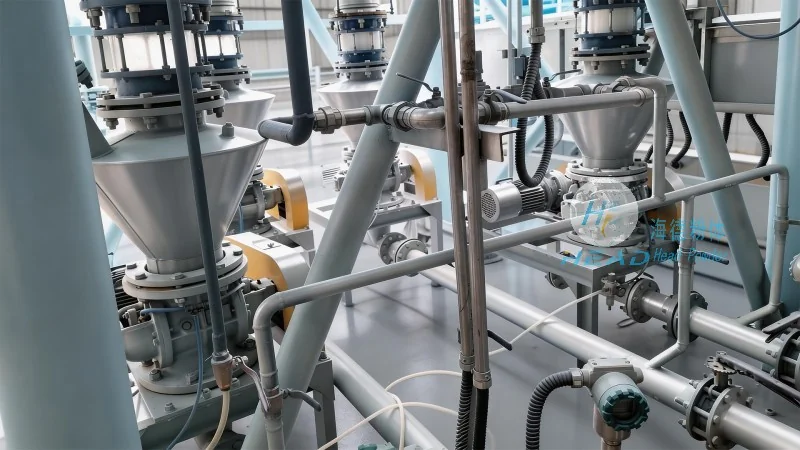
Operation Process of the Conveying Line
The operation of the barium carbonate material conveying line begins with the loading of the hopper. The raw barium carbonate is fed into the hopper from a storage silo or a processing unit. Once the hopper is filled, the feeder starts to regulate the flow of material into the conveyor. The control system ensures that the flow rate is consistent and matches the requirements of the downstream process. As the material moves along the conveyor, it is transported to the next processing stage, such as a mixer, a reactor, or a packaging unit. The entire process is automated, with minimal human intervention required, which enhances safety and reduces the risk of exposure to the material. The system is designed to operate continuously, with regular maintenance checks to ensure that all components are functioning correctly. In case of any issues, such as a blockage or a malfunction, the control system will trigger an alarm and stop the conveyor to prevent further damage or material loss.
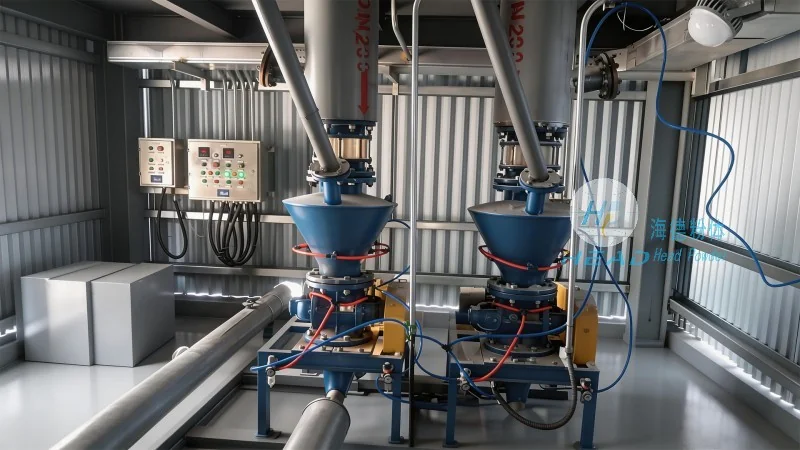
Working Principle and Technological Advancements
The working principle of the barium carbonate material conveying line is based on the principles of mechanical transport and material flow. The system uses gravity and mechanical force to move the material from one point to another. The hopper provides the initial potential energy, which is converted into kinetic energy as the material flows into the feeder and then into the conveyor. The feeder controls the flow rate by adjusting the opening size or the speed of rotation, ensuring that the material is fed at a consistent rate. The conveyor system then transports the material using friction or screw action, depending on the type of conveyor used. Modern advancements in the technology include the integration of sensors and automation systems that allow for real-time monitoring and control. These systems can detect changes in flow rate, temperature, or pressure and adjust the operation accordingly. Additionally, the use of materials with high resistance to corrosion and abrasion, such as stainless steel or special alloys, ensures that the conveying line can handle the chemical properties of barium carbonate without degradation. The implementation of dust suppression systems and proper sealing also contributes to the safety and efficiency of the operation, preventing dust emissions and maintaining a clean working environment.
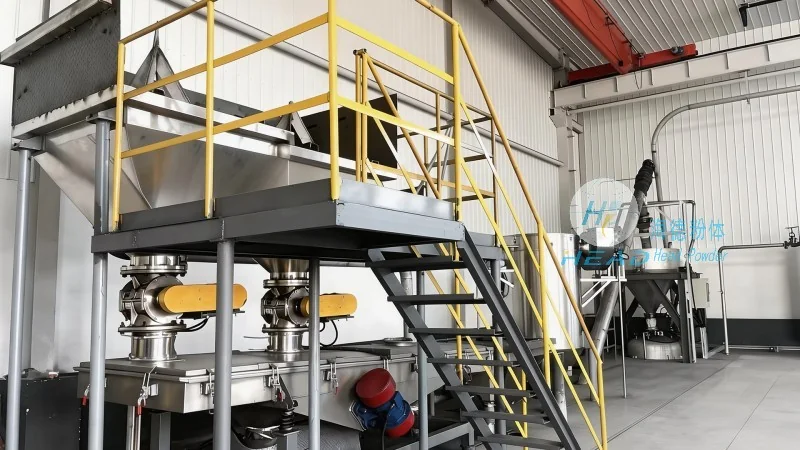
Benefits and Applications
The barium carbonate material conveying line offers several benefits in industrial applications. Firstly, it enhances production efficiency by ensuring a continuous and consistent supply of barium carbonate to the processing units. This reduces downtime and increases the overall output of the facility. Secondly, the system improves safety by minimizing human exposure to the material and by controlling dust emissions. The automated control system also reduces the risk of accidents caused by manual handling. The conveying line is widely used in industries such as pharmaceuticals, ceramics, and glass manufacturing, where barium carbonate is used as a raw material. In these applications, the line is integrated with other processing equipment to form a complete production line, ensuring that the material is handled from raw to finished product in a seamless manner. The flexibility of the system allows it to be adapted to different production scales and requirements, making it suitable for both small-scale and large-scale operations.
Conclusion
In conclusion, the barium carbonate material conveying line is a critical component in the efficient and safe handling of barium carbonate in industrial settings. Its operation process and working principle are designed to optimize material transport while maintaining safety and efficiency. The integration of modern technologies, such as automation and sensor systems, has further enhanced the performance of these lines, making them more reliable and adaptable. As the demand for barium carbonate continues to grow in various industries, the importance of efficient material handling systems like this conveying line will only increase. The continuous development and improvement of such systems will ensure that they remain a vital part of the chemical processing industry, supporting the production of high-quality products and maintaining the safety of the working environment.