

Operation Process and Working Principle of Hybrid Powder Handling Systems
HeadPowder, a leading provider in the field of powder handling technology, specializes in advanced systems designed to efficiently manage the transportation and processing of bulk powders. With a strong presence in Shandong, China, the company's solutions are tailored to meet the diverse needs of industries ranging from pharmaceuticals to food processing and beyond. This article delves into the operation process and working principle of hybrid powder handling systems, offering a comprehensive understanding of how these sophisticated mechanisms function to ensure reliable and efficient material transfer.
Overview of Hybrid Powder Handling Systems
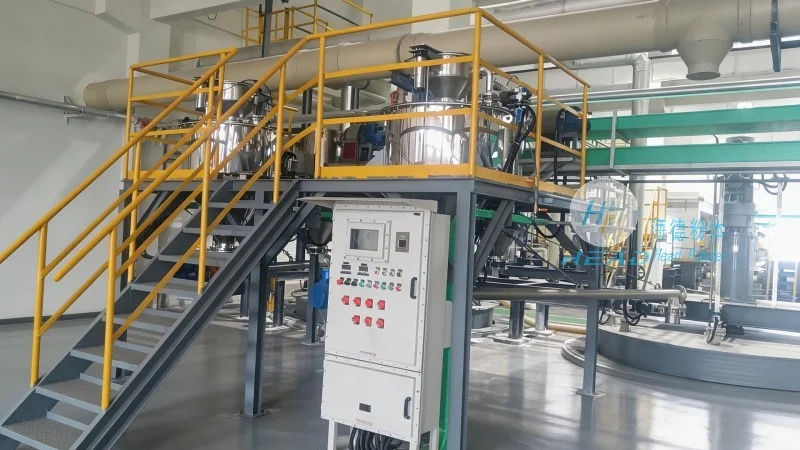
Hybrid powder handling systems represent a sophisticated integration of traditional and modern conveying technologies, combining the advantages of various methods such as pneumatic, mechanical, and gravitational transport. These systems are engineered to handle a wide variety of powders, from fine and abrasive materials to bulkier and more cohesive substances, making them versatile solutions for industrial applications. The design of hybrid systems often involves multiple components working in tandem, including hoppers, feeders, conveyors, and control units, all coordinated to achieve seamless material flow from source to destination.
The Operation Process of Hybrid Powder Handling Systems
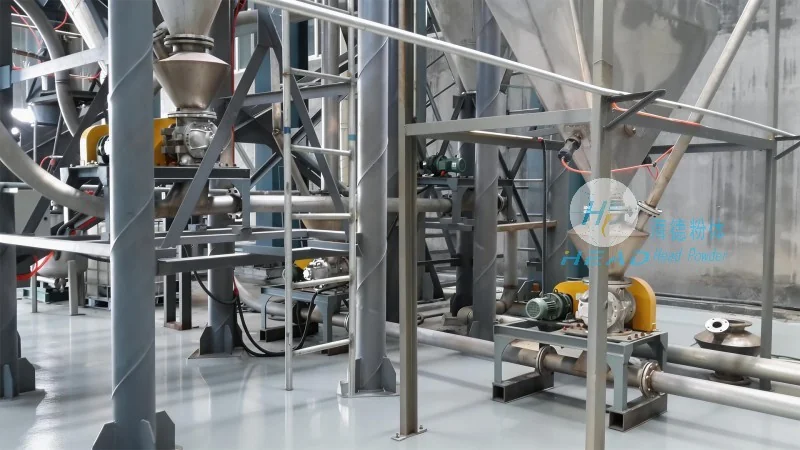
The operation process of hybrid powder handling systems typically begins with the storage of raw materials in bulk containers or silos. From there, the material is transferred to the system's hopper, where it is prepared for transport. The system may incorporate a combination of feeding mechanisms, such as rotary valves or screw feeders, to regulate the flow rate and ensure consistent material delivery. Once the material is fed into the conveyor section, it is transported through the system using a blend of pneumatic and mechanical forces. For instance, some hybrid systems utilize a combination of air pressure and mechanical augers to move powders through pipelines or enclosed ducts. The process continues as the material is directed to the destination point, such as a processing unit or a storage silo, where it is discharged and prepared for the next stage of production.
Working Principle of Hybrid Powder Handling Systems
The working principle of hybrid powder handling systems is based on the integration of multiple transport mechanisms to optimize material movement. Pneumatic conveying, for example, uses compressed air to create a flow of powder particles through a pipeline, while mechanical conveying relies on rotating components like screws or belts to push the material forward. The hybrid approach allows for flexibility in handling different powder characteristics, as the system can adjust the balance between air pressure and mechanical force to suit the specific properties of the material being transported. This adaptability is crucial for maintaining the integrity of the powder, preventing issues like caking or segregation, and ensuring consistent performance under varying conditions. The control system plays a vital role in managing the operation, monitoring parameters such as pressure, flow rate, and temperature, and adjusting the system's settings in real-time to maintain optimal performance.
Key Components and Their Roles
Hybrid powder handling systems consist of several critical components, each contributing to the overall functionality of the system. The hopper serves as the initial storage and feeding unit, providing a controlled environment for material preparation. The feeder, often a rotary valve or a screw feeder, regulates the flow of material into the conveyor section, ensuring a steady and uniform feed rate. The conveyor itself, which may be a combination of pneumatic ducts and mechanical augers, is responsible for transporting the powder from the hopper to the discharge point. The control unit, equipped with sensors and automation technology, monitors and adjusts the system's operations to maintain efficiency and safety. Each component works in harmony to achieve the seamless transfer of powders, minimizing downtime and maximizing productivity.
Applications and Benefits
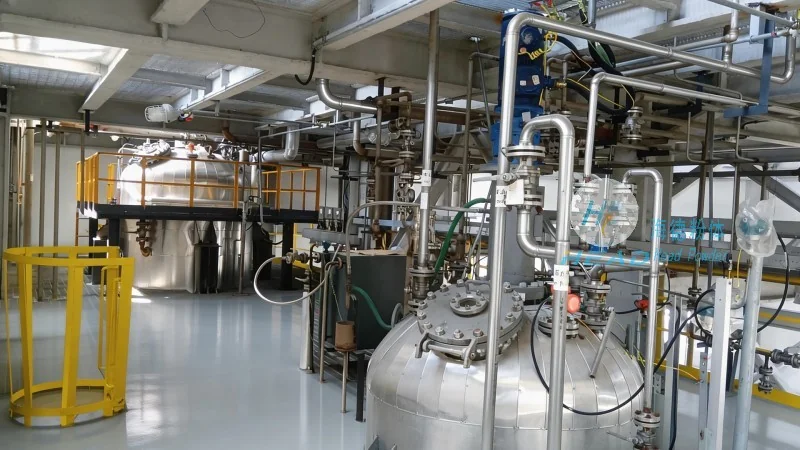
Hybrid powder handling systems are widely used across various industries due to their versatility and efficiency. In the pharmaceutical industry, these systems are essential for handling sensitive powders, ensuring that the material remains uncontaminated and free from degradation. In the food processing sector, they are used to transport ingredients like flour, sugar, and spices, maintaining product quality and hygiene. The benefits of hybrid systems include improved material handling efficiency, reduced labor costs, and enhanced safety by minimizing manual handling of powders. Additionally, these systems offer flexibility in adapting to different production requirements, allowing manufacturers to scale operations as needed without significant modifications to the equipment.
Conclusion
Hybrid powder handling systems, as exemplified by the solutions offered by Shandong HeadPowder Engineering Co., Ltd., represent a cutting-edge approach to bulk material transportation. By integrating multiple conveying technologies, these systems provide reliable, efficient, and adaptable solutions for industries dealing with diverse powders. The operation process, which involves careful coordination of feeding, conveying, and control mechanisms, ensures consistent material flow, while the working principle emphasizes the balance between pneumatic and mechanical forces to optimize performance. With a strong presence in Shandong, China, HeadPowder continues to innovate and provide advanced powder handling solutions that meet the evolving needs of modern industrial applications.