

Operation Process and Working Principle of Headpowder Polystyrene Pneumatic Conveying System Equipme
Headpowder, a leading manufacturer based in Shandong, China, specializes in the design and production of advanced pneumatic conveying systems for various industrial applications. The polystyrene pneumatic conveying system is a critical piece of equipment used in the polymer processing industry, enabling efficient and safe material transport. This article provides a detailed overview of the operation process and working principle of the Headpowder polystyrene pneumatic conveying system, highlighting its key components, operational workflow, and technical advantages.
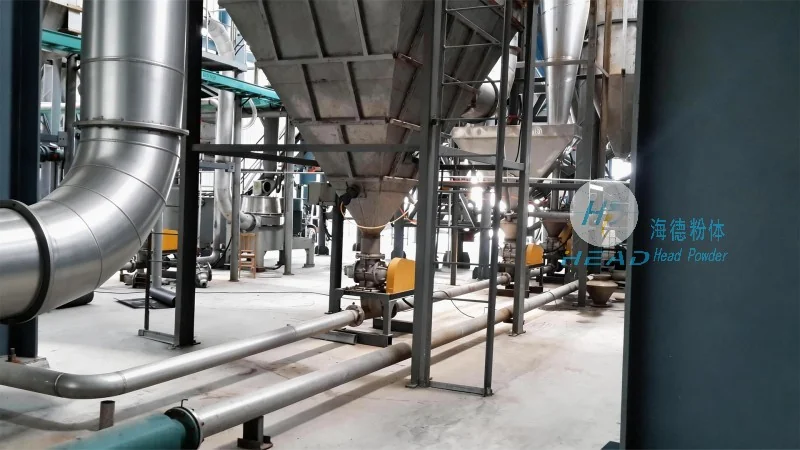
Key Components of the Polystyrene Pneumatic Conveying System
The Headpowder polystyrene pneumatic conveying system consists of several essential components that work in tandem to ensure reliable material transport. The primary components include a hopper for material storage, a feeder to control the flow rate, a conveying pipeline, a pressure vessel or receiver for material collection, and a blower or air compressor to generate the necessary air flow. Each component plays a crucial role in the overall system performance and efficiency.
Working Principle of the Pneumatic Conveying System
The operation of the Headpowder polystyrene pneumatic conveying system is based on the principle of pneumatic transport, where material is suspended and transported by a high-velocity air stream. The process begins with the material being loaded into the hopper. The feeder then regulates the material flow into the conveying pipeline, ensuring a consistent feed rate. Simultaneously, the blower generates a high-pressure air stream that is introduced into the pipeline. As the air flows through the pipeline, it picks up the polystyrene particles from the feeder and transports them to the receiver. The receiver is designed to separate the material from the air stream, typically through a cyclone or filter system, and collects the polystyrene in a storage bin or container.
Operation Process: Step-by-Step Workflow
The operation of the Headpowder polystyrene pneumatic conveying system follows a systematic workflow that ensures smooth and continuous material transport. The process can be broken down into the following steps:
1. Material Loading: Polystyrene granules or powder are loaded into the hopper, which serves as the initial storage container. The hopper is equipped with a lid and a discharge valve to control the material entry.
2. Feeder Operation: The feeder, often a rotary valve or screw feeder, regulates the flow rate of polystyrene from the hopper into the conveying pipeline. This step ensures that the material is fed at a controlled rate, preventing overloading or underfeeding that could affect system performance.
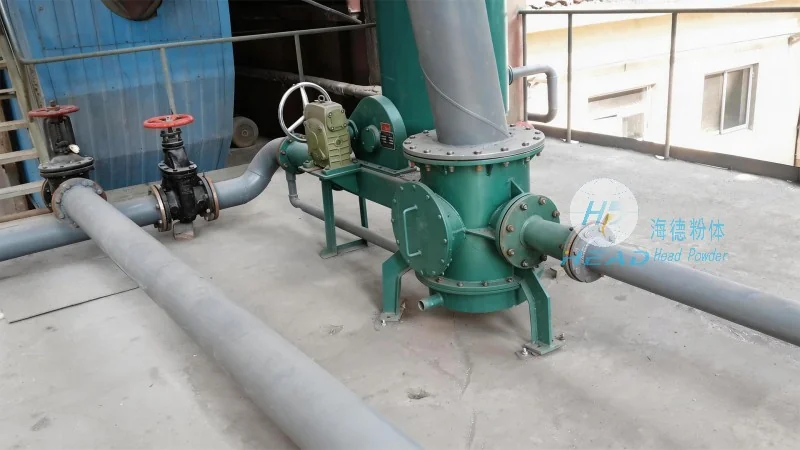
3. Air Compression: The blower or air compressor generates a high-pressure air stream, typically at a pressure of 0.5 to 1.0 MPa, depending on the system design and material characteristics. The air is then introduced into the conveying pipeline through a venturi or injection point.
4. Material Suspension and Transport: As the high-velocity air flows through the pipeline, it creates a low-pressure zone that draws the polystyrene particles into the air stream. The particles are suspended and carried along the pipeline to the receiver. The pipeline is designed with appropriate bends and elbows to maintain the air flow velocity and prevent material deposition.
5. Material Separation and Collection: The receiver, usually a pressure vessel or cyclone separator, is positioned at the end of the pipeline. The air stream enters the receiver, and the polystyrene particles are separated from the air through centrifugal force or filtration. The separated material is collected in a bin or container, while the air is either vented to the atmosphere or recycled back to the blower for energy efficiency.
Advantages of the Headpowder Polystyrene Pneumatic Conveying System
The Headpowder polystyrene pneumatic conveying system offers several advantages over traditional material handling methods, such as belt conveyors or manual handling. These advantages include:
1. Efficient Material Transport: The system provides a continuous and high-capacity transport of polystyrene, reducing material handling time and increasing production efficiency.
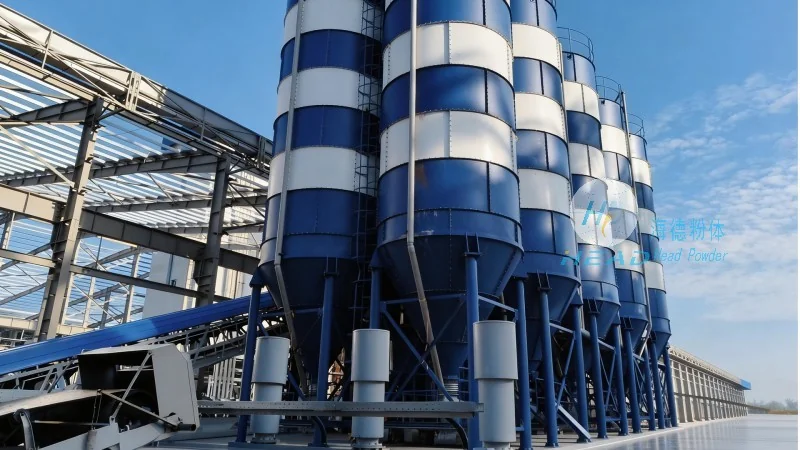
2. Reduced Downtime: The automated operation of the system minimizes human intervention, leading to lower downtime and increased operational reliability.
3. Improved Safety: The enclosed system prevents dust emissions and material exposure, enhancing workplace safety and compliance with environmental regulations.
4. Space Efficiency: The compact design of the system allows for installation in limited spaces, making it suitable for various industrial settings.
5. Energy Efficiency: Advanced blower designs and air recycling systems contribute to lower energy consumption compared to other transport methods.
Application Scenarios
The Headpowder polystyrene pneumatic conveying system is widely used in various industries, including plastic manufacturing, packaging, and chemical processing. It is particularly suitable for applications where polystyrene needs to be transported from storage to processing equipment, such as extruders, injection molding machines, or compounding lines. The system can handle different forms of polystyrene, including granules, powder, and flakes, making it versatile for diverse production requirements.