

Operation Process and Working Principle of Glass Fiber Cellulose Pneumatic Conveying System Equipmen
Shandong HeadPowder Engineering Co., Ltd. specializes in the design, manufacturing, and supply of advanced pneumatic conveying systems tailored for the handling of glass fiber cellulose materials. The glass fiber cellulose pneumatic conveying system is a critical piece of equipment in industries where efficient, dust-free material transport is essential. This system efficiently moves glass fiber cellulose from storage silos or processing units to production lines, ensuring consistent material flow and minimizing operational downtime.
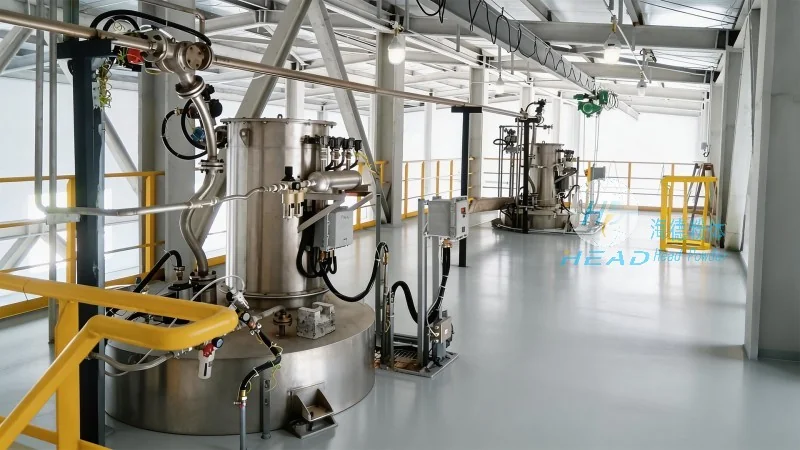
Working Principle of the Pneumatic Conveying System
The core of the glass fiber cellulose pneumatic conveying system lies in its ability to use air as the conveying medium. The system operates on the principle of creating a pressure differential between the material feed point and the discharge point. By generating a flow of air through the system, the glass fiber cellulose particles are entrained and transported through the pipeline. The system typically includes a blower or compressor to generate the necessary air pressure, a hopper for material storage, and a series of pipes with appropriate fittings and valves to control the flow direction and pressure. The design ensures that the material is conveyed without significant degradation, maintaining its quality and consistency throughout the process.
Key Components and Their Functions
The glass fiber cellulose pneumatic conveying system comprises several key components, each playing a vital role in the overall operation. The main components include: 1. Material Hopper: A storage vessel that holds the glass fiber cellulose, equipped with a feed mechanism to control the material flow into the system. 2. Blower/Compressor: Provides the necessary air pressure to create the conveying airflow. 3. Pipeline System: A network of pipes that transport the material and air mixture from the hopper to the discharge point. 4. Valves and Controls: Used to regulate the air flow and material discharge, ensuring smooth operation and preventing backflow. 5. Filter and Dust Collection System: Captures any fine particles or dust released during the conveying process, maintaining air quality and compliance with environmental regulations. Each component is engineered to handle the specific characteristics of glass fiber cellulose, such as its fine particle size and potential for static electricity, ensuring reliable and efficient operation.
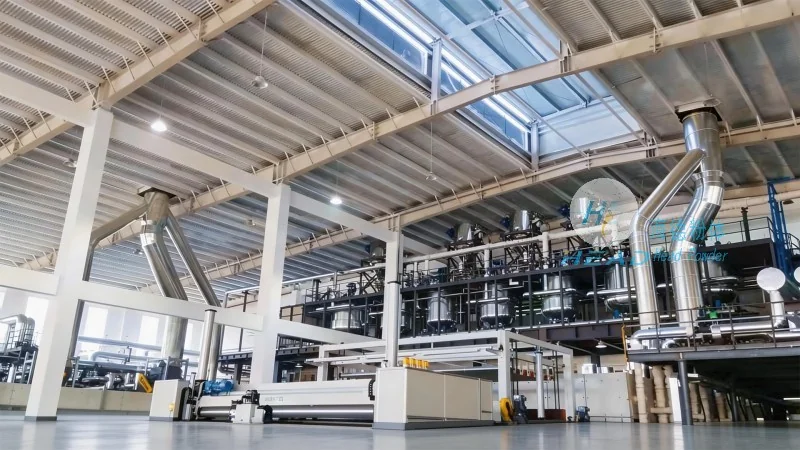
Operation Process of the Pneumatic Conveying System
The operation of the glass fiber cellulose pneumatic conveying system follows a systematic process to ensure optimal performance. The process begins with the loading of glass fiber cellulose into the material hopper. The hopper is equipped with a feeder that gradually releases the material into the pipeline as the system operates. The blower then starts, generating a flow of air that creates a negative pressure in the hopper and pipeline, drawing the material into the air stream. As the material is entrained by the air, it travels through the pipeline to the discharge point, which may be a processing unit or a storage silo. The system continuously monitors the air pressure and material flow, adjusting the blower speed or feeder rate as needed to maintain a stable conveying rate. The discharge point is equipped with a valve to control the release of the material, preventing overfilling or blockages. Throughout the operation, the filter and dust collection system captures any particles that escape, ensuring clean air is released and the material remains free of contaminants.
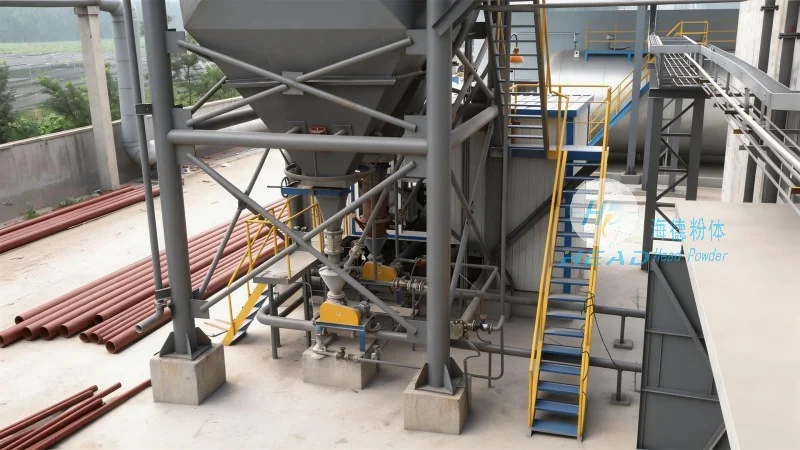
Advantages of the Glass Fiber Cellulose Pneumatic Conveying System
Implementing a glass fiber cellulose pneumatic conveying system offers several advantages over traditional mechanical conveying methods. First, it provides a dust-free and enclosed transport process, which is crucial for maintaining material quality and ensuring a safe working environment. The system eliminates the need for manual handling of fine materials, reducing the risk of respiratory issues and contamination. Second, the pneumatic conveying system offers high efficiency and reliability, with the ability to transport materials over long distances without significant loss or degradation. The system can handle varying material loads and flow rates, adapting to different production requirements. Third, the design of the system minimizes maintenance requirements, as there are fewer moving parts compared to mechanical conveyors, reducing downtime and operational costs. Additionally, the system is easy to integrate with existing production lines, allowing for seamless material transfer and enhancing overall operational efficiency.
Applications and Industries
The glass fiber cellulose pneumatic conveying system is widely used in various industries that require the handling of glass fiber cellulose materials. These industries include the paper and pulp industry, where glass fiber cellulose is used as a reinforcing agent in paper products. The system is also utilized in the construction industry for manufacturing fiber-reinforced composites, where consistent material supply is essential for quality control. Additionally, the system is applied in the automotive and aerospace industries for producing lightweight and durable components. The versatility of the system allows it to adapt to different production scales, from small-scale laboratory applications to large-scale industrial operations.