

Operation Process and Working Principle of Nanometer Calcium Carbonate Pneumatic Conveying System Eq
HeadPowder, a leading manufacturer based in Shandong, China, specializes in the design, production, and installation of advanced pneumatic conveying systems tailored for the handling of nanometer calcium carbonate. This article provides a detailed overview of the operational process and underlying principles of such systems, highlighting their efficiency, reliability, and application in industrial settings.
Understanding the Core Components and Functionality
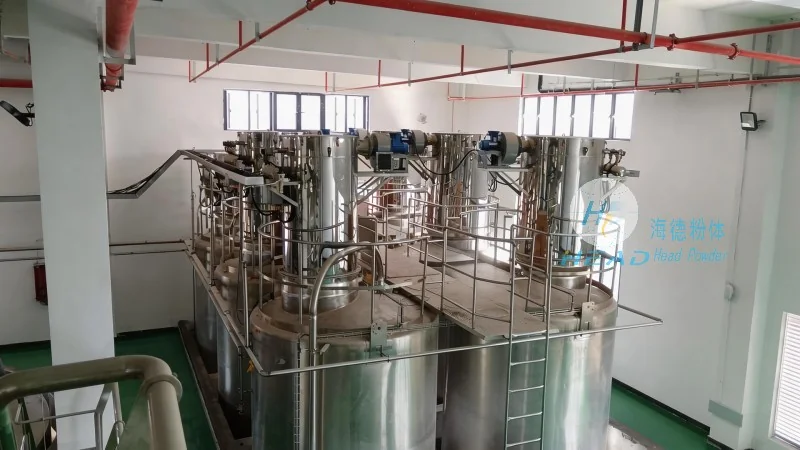
The nanometer calcium carbonate pneumatic conveying system comprises several key components that work in tandem to ensure smooth material transport. At the heart of the system is the material hopper, where the nanometer calcium carbonate is stored. This hopper is equipped with a feeding mechanism, typically a rotary valve or a screw feeder, which controls the flow rate of the material into the conveying line. The conveying line itself is a flexible or rigid pipe system that transports the material under pressure, often using compressed air as the driving force. A crucial component is the air compressor, which generates the necessary air pressure to move the material. Additionally, the system includes a filter and a dust collector to manage air quality and prevent material loss. The entire setup is designed to handle the unique properties of nanometer calcium carbonate, such as its fine particle size and low bulk density, ensuring efficient and safe operation.
Step-by-Step Operational Process
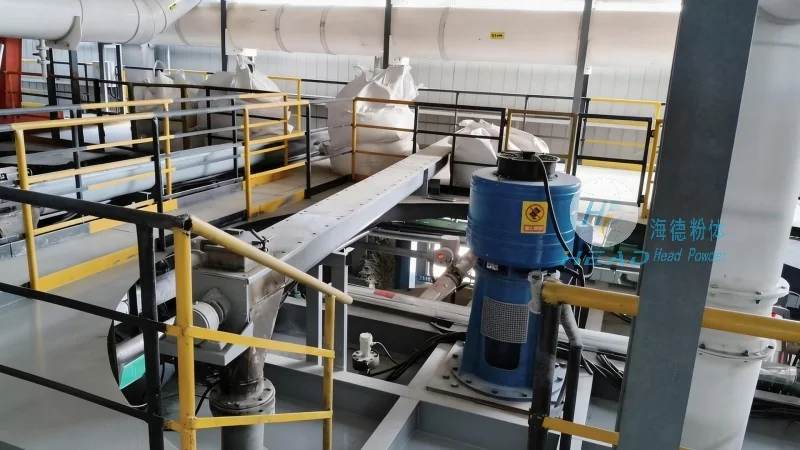
The operation of the nanometer calcium carbonate pneumatic conveying system follows a systematic sequence of steps, each critical to the successful transport of the material. The process begins with the loading of the material into the hopper. Once the hopper is filled, the feeding mechanism starts, gradually releasing the nanometer calcium carbonate into the conveying line. Simultaneously, the air compressor activates, generating compressed air that is introduced into the conveying line. The compressed air creates a flow that lifts and propels the material particles through the pipe. As the material travels, it is mixed with the air, forming a dense slurry or a pneumatic stream. The system monitors the flow rate and pressure to maintain optimal conditions. Upon reaching the destination, the material is discharged into a receiving hopper or storage tank. The air, now containing fine particles, passes through a filter and a dust collector, where the calcium carbonate is separated and returned to the system or disposed of as required. This cycle repeats continuously, enabling the system to handle large volumes of nanometer calcium carbonate with minimal human intervention.
Working Principle: The Physics Behind Pneumatic Conveying
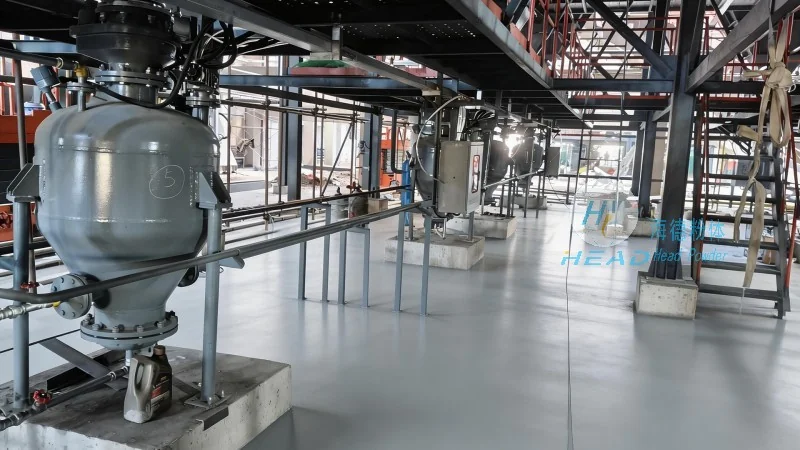
The working principle of the nanometer calcium carbonate pneumatic conveying system is based on the fundamental physics of fluid dynamics and particle transport. The system operates on the principle of pneumatic transport, where the material is suspended and transported by the air flow. The key to efficient conveying is achieving a balance between the air velocity and the particle size. For nanometer calcium carbonate, which has a very fine particle size (typically below 5 microns), the air velocity must be sufficient to lift and carry the particles without causing excessive wear or clogging. The system uses a positive pressure or negative pressure (or a combination of both) to move the material. In positive pressure systems, the air is forced into the conveying line, pushing the material forward. In negative pressure systems, the air is drawn out of the line, creating a vacuum that pulls the material. The choice of system depends on the application and the distance to be covered. The physics also involves the concept of drag force, where the air flow exerts a force on the particles, overcoming gravity and allowing them to be transported. The system is designed to minimize pressure drop and energy consumption, ensuring cost-effective operation while maintaining high material transfer efficiency.
Advantages and Applications in Industrial Settings
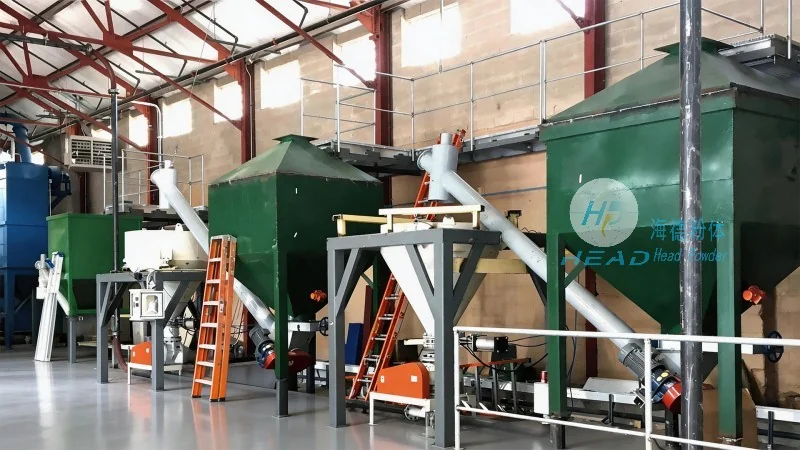
The nanometer calcium carbonate pneumatic conveying system offers several advantages over traditional bulk material handling methods. These include high efficiency in material transport, reduced labor costs due to automated operation, and improved safety by minimizing direct handling of the material. The system is particularly suitable for applications where the material needs to be transported over long distances or through complex layouts, such as in chemical plants, food processing facilities, and pharmaceutical manufacturing. The ability to handle fine particles without clogging or degradation makes it ideal for nanometer calcium carbonate, which is widely used in coatings, plastics, and paper production. The system's flexibility allows for easy integration with existing production lines, and its modular design enables scalability to meet varying production demands. Overall, the system provides a reliable and cost-effective solution for the handling of nanometer calcium carbonate, contributing to increased productivity and operational efficiency in industrial processes.