

Principles and Application Scenarios of Pneumatic Conveying for Artificial Graphite Powder
Artificial graphite powder is a critical material in various industrial applications, particularly in the production of lithium-ion batteries, refractory materials, and other high-tech products. The efficient and safe transportation of this fine powder is essential for maintaining production efficiency and product quality. Pneumatic conveying, a method that uses air or gas to transport bulk materials, has become a preferred solution for artificial graphite powder handling due to its advantages in cleanliness, low maintenance, and ability to handle sensitive materials.
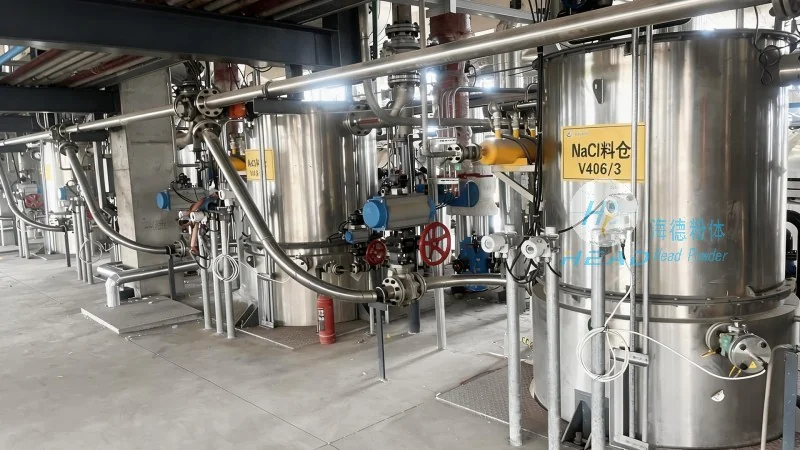
Principles of Pneumatic Conveying for Artificial Graphite Powder
Pneumatic conveying operates on the principle of using air flow to move particulate materials through a pipeline. There are two main types of pneumatic conveying systems: pressure systems and vacuum (or suction) systems. In pressure systems, compressed air is introduced at the material loading point, creating a pressure differential that propels the powder forward. This method is suitable for short to medium distances and can handle a wide range of particle sizes and densities. Vacuum systems, on the other hand, use a vacuum pump to create a negative pressure at the discharge end, drawing the powder from the source. This approach is ideal for long-distance or multi-point delivery, as it can transport materials over longer distances without the need for additional pressure boosters.
For artificial graphite powder, which is often fine and abrasive, the choice of conveying system depends on several factors, including the material's properties, the distance to be covered, and the required flow rate. The particle size distribution, density, and moisture content of the graphite powder are crucial in determining the most effective conveying method. For example, fine powders with high moisture content may require a pressure system with a higher air velocity to prevent clogging or agglomeration. Conversely, larger or denser particles might benefit from a vacuum system with a larger pipe diameter to ensure smooth flow.
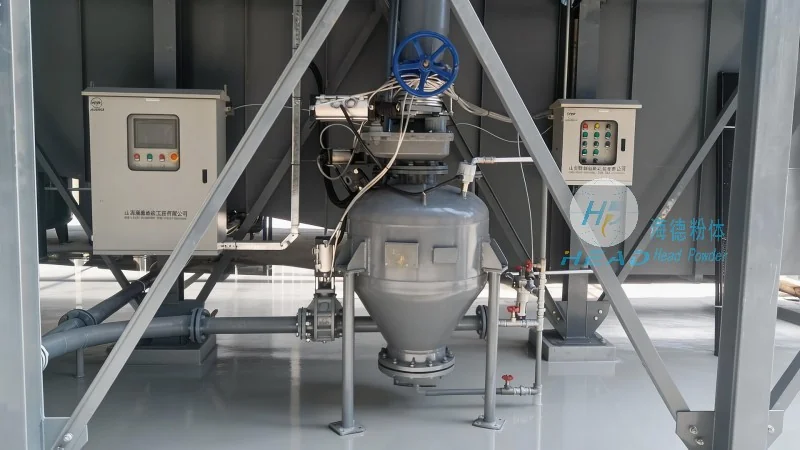
Key Working Scenarios and Characteristics
The application scenarios for pneumatic conveying of artificial graphite powder vary across different industries, each presenting unique challenges and requirements. In the battery manufacturing sector, for instance, the need for high-purity graphite powder and contamination-free handling is paramount. Pneumatic conveying systems are used to transport graphite from storage silos to mixing and coating lines, ensuring that the material remains free from dust and moisture. This is critical because any contamination can affect the performance and lifespan of the final battery products.
In the refractory industry, artificial graphite is used to produce high-temperature-resistant materials. Here, the conveying system must be capable of handling large volumes of powder and maintaining consistent flow rates to support continuous production processes. The working environment in refractory plants often involves high temperatures and abrasive conditions, which means the conveying equipment must be robust and durable. Pneumatic conveying systems are preferred over mechanical methods in these scenarios because they eliminate the need for moving parts that could wear out or cause material contamination.
Another important application is in the production of carbon electrodes and other graphite-based components. The precision required in these processes demands a conveying system that can deliver the powder with minimal variation in flow rate and particle size. This ensures that the final products meet strict quality standards. Pneumatic conveying systems, especially those with adjustable air pressure and flow control, are well-suited for such applications as they allow for precise control over the material's movement and distribution.
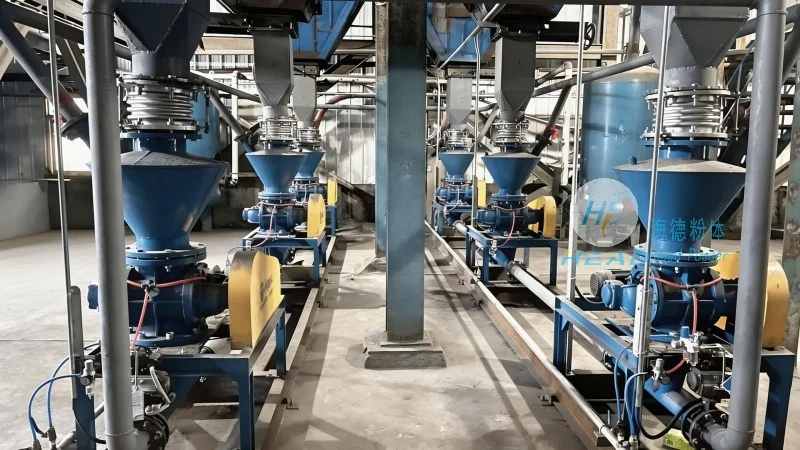
Advantages and Considerations in Practical Applications
When implementing pneumatic conveying for artificial graphite powder, several advantages and considerations must be taken into account. One of the primary benefits is the ability to handle the material in a closed system, which prevents dust emissions and protects the environment and workers from exposure to fine particles. This is particularly important for artificial graphite, which can be hazardous if inhaled. Closed-loop systems also help maintain the material's purity by reducing the risk of contamination from external sources.
Another advantage is the flexibility of pneumatic conveying systems. They can be easily integrated into existing production lines and can be reconfigured to accommodate changes in production volume or material type. This adaptability makes them a cost-effective solution for businesses that need to scale their operations or diversify their product offerings. However, the initial investment for pneumatic conveying equipment can be higher than for mechanical conveying systems, and the energy consumption is typically higher due to the continuous operation of air compressors or vacuum pumps.
Operational considerations include the need for regular maintenance to ensure the system's efficiency and longevity. Filters and cyclones are essential components in pneumatic conveying systems, as they help separate the air from the powder and prevent clogging of the pipeline. For artificial graphite powder, which can be abrasive, the choice of materials for the conveying components, such as pipes and valves, is critical to prevent wear and tear. High-quality materials, such as stainless steel or special alloys, are often used to extend the system's lifespan and reduce maintenance costs.
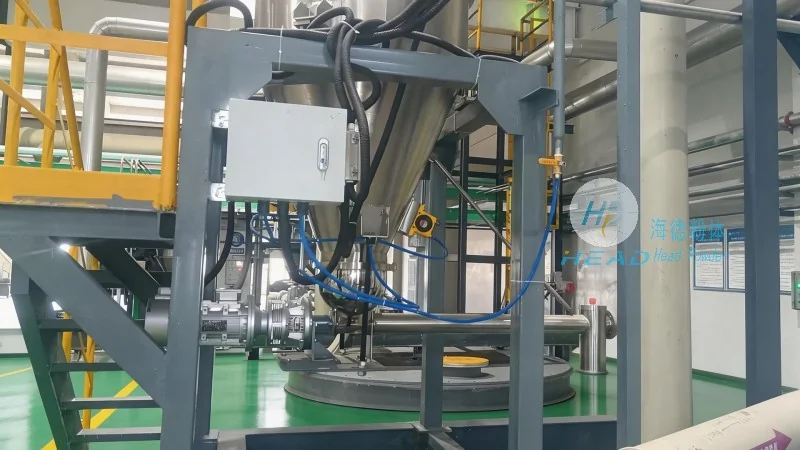
Conclusion and Company Overview
Pneumatic conveying is a highly effective method for transporting artificial graphite powder across various industrial applications. Its ability to handle fine, abrasive materials in a clean and controlled manner makes it an indispensable technology in industries such as battery manufacturing, refractory production, and carbon electrode fabrication. By understanding the principles of pneumatic conveying and selecting the appropriate system based on material properties and operational requirements, businesses can optimize their production processes and ensure product quality.
Shandong HeadPowder Engineering Co., Ltd., a leading provider of powder handling solutions, specializes in designing and manufacturing customized pneumatic conveying systems for artificial graphite powder. With a focus on innovation and quality, the company has developed advanced technologies to meet the specific needs of its clients. HeadPowder's expertise in material handling and industrial engineering ensures that its systems are efficient, reliable, and tailored to the unique challenges of each application. Based in Shandong, China, HeadPowder serves a global market, providing solutions that enhance productivity and safety in the handling of artificial graphite powder. The company's commitment to excellence and customer satisfaction has made it a trusted partner for businesses seeking to improve their powder handling processes.