

Operation Process and Working Principle of Cement Tanker Powder Conveying Line
HeadPowder, a leading enterprise in the field of powder handling technology, specializes in the design, manufacturing, and installation of cement tanker powder conveying systems. Based in Shandong, China, the company has established itself as a trusted provider of efficient and reliable solutions for transporting bulk powders, particularly in the cement industry. This article delves into the operation process and working principle of cement tanker powder conveying lines, highlighting the key components, operational steps, and the technological advancements that enable seamless powder transfer.
Key Components of Cement Tanker Powder Conveying Systems
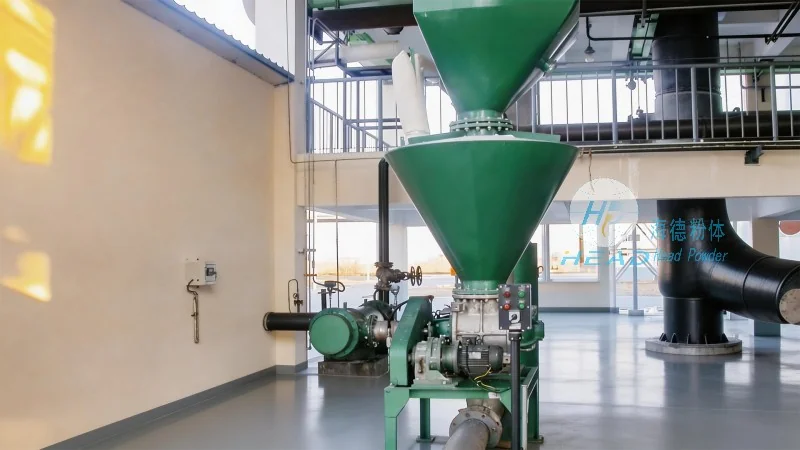
The cement tanker powder conveying line typically consists of several critical components that work in tandem to ensure efficient and safe powder transfer. These components include the cement tanker itself, which is a specialized truck equipped with a hopper and a discharge valve for powder loading and unloading; a conveyor system, such as a screw conveyor or pneumatic conveyor, that transports the powder from the tanker to the processing facility; a dust collection system to manage airborne particles and maintain a clean working environment; and control panels that monitor and regulate the entire operation. Each component plays a vital role in the overall functionality of the system, ensuring that the powder is transferred with minimal loss and maximum efficiency.
Operation Process of Cement Tanker Powder Conveying Lines
The operation of a cement tanker powder conveying line involves a series of well-defined steps that ensure the smooth and safe transfer of bulk cement from the tanker to the processing plant. The process begins with the arrival of the cement tanker at the facility, where the tanker is positioned under the receiving hopper or conveyor inlet. The first step is the unloading of the powder from the tanker. This is typically achieved by opening the discharge valve of the tanker, which allows the powder to flow into the hopper of the conveyor system. The conveyor then transports the powder from the hopper to the processing area, where it is further handled for storage or production. Throughout the process, the dust collection system is active, capturing any airborne particles and preventing dust pollution. The control panels continuously monitor the flow rate, pressure, and other parameters to ensure that the operation runs smoothly and safely. The entire process is automated to a large extent, reducing the need for manual intervention and minimizing the risk of human error.
Working Principle of the Conveying Mechanism
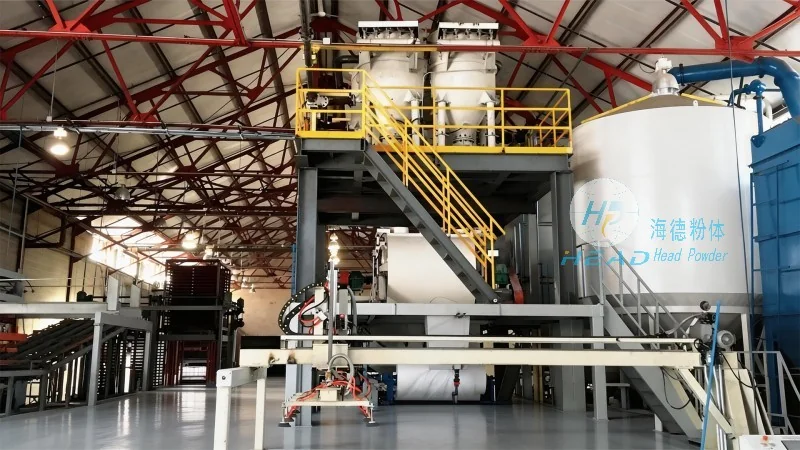
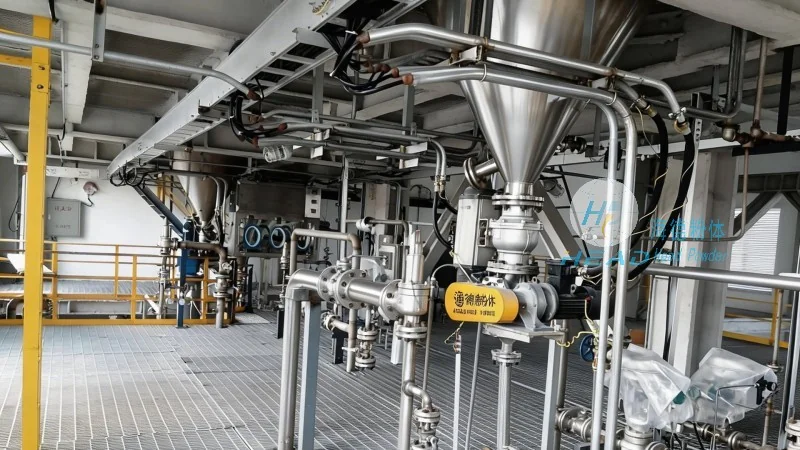
The working principle of the cement tanker powder conveying line is based on the principles of fluidization and pneumatic transport, depending on the type of conveyor system used. For screw conveyors, the mechanism involves the rotation of a screw within a trough, which pushes the powder forward through the conveyor. The screw's design, including its pitch and diameter, is optimized to handle the specific characteristics of cement, such as its density and flowability. The screw conveyor provides a continuous and reliable flow of powder, with minimal segregation or degradation of the material. For pneumatic conveyors, the principle involves the use of air pressure to transport the powder through a pipeline. The powder is first mixed with air in a hopper, creating a slurry that is then transported through the pipeline to the processing area. The air pressure is carefully controlled to ensure that the powder is transported without clogging or damage. The dust collection system is integrated with the pneumatic conveyor to capture any fine particles that may be released during the process, ensuring compliance with environmental regulations.
Advantages of Cement Tanker Powder Conveying Lines
The use of cement tanker powder conveying lines offers several advantages over traditional methods of powder handling, such as manual loading and unloading. The primary advantage is the significant reduction in labor costs, as the process is largely automated. This also leads to improved safety, as the risk of manual handling of heavy and dusty materials is minimized. The system also ensures consistent and accurate powder flow, which is crucial for maintaining the quality of cement products. Additionally, the dust collection system helps to maintain a clean and healthy working environment, reducing the risk of respiratory problems for workers. The efficiency of the system is also enhanced by the continuous flow of powder, which reduces downtime and increases production capacity. Overall, the cement tanker powder conveying line is a cost-effective and reliable solution for bulk powder handling in the cement industry.
Conclusion
HeadPowder's cement tanker powder conveying lines represent a sophisticated and efficient solution for the transportation of bulk cement. By combining advanced technology with careful design, the company has developed systems that meet the highest standards of performance and safety. The operation process and working principle of these systems are carefully engineered to ensure seamless and reliable powder transfer, while the components are designed to withstand the harsh conditions of the cement industry. With its headquarters in Shandong, China, HeadPowder continues to be a leader in the field of powder handling technology, providing innovative solutions to meet the evolving needs of the cement industry. The company's commitment to quality and customer satisfaction has made it a trusted partner for businesses seeking reliable and efficient powder handling solutions.