

Operation Process and Working Principle of Fine Chemical Powder Conveying Lines
For industrial applications in the fine chemical sector, efficient and reliable powder conveying systems are crucial for maintaining production efficiency and product quality. The operation process and working principle of fine chemical powder conveying lines, as offered by Shandong HeadPowder Engineering Co., Ltd., involve a series of integrated steps designed to handle powders with precision and safety. This article provides a detailed overview of how these systems function, emphasizing the technical aspects and operational flow.
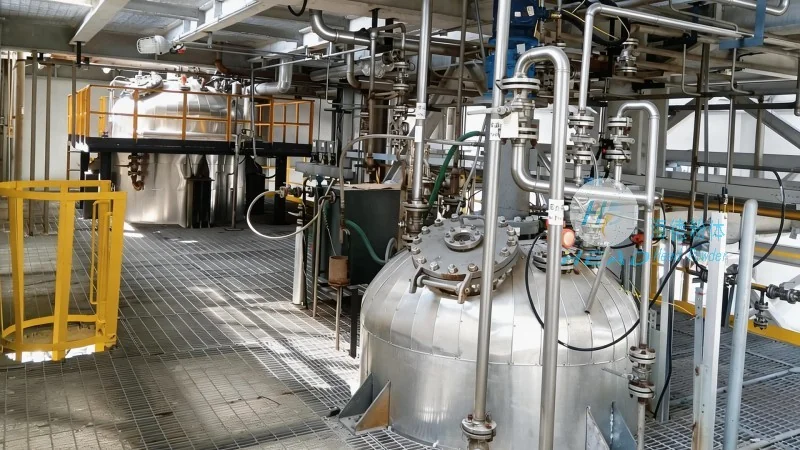
System Overview and Key Components
The fine chemical powder conveying line typically consists of several core components that work in tandem to transport powders from a source to a destination. These components include feeders, conveyors, control systems, and dust collection units. Each part plays a vital role in ensuring the smooth and safe transfer of powders, which are often sensitive to moisture, temperature, and air exposure. The system is engineered to handle a wide range of fine chemicals, from pharmaceuticals to specialty chemicals, with minimal product degradation.
Operation Process: Step-by-Step Guide
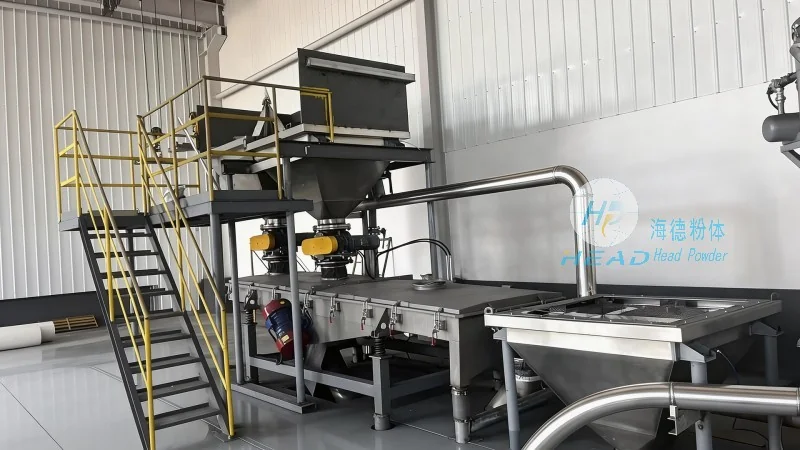
The operation of a fine chemical powder conveying line begins with the feeding stage. Powders are fed from storage silos or hoppers into the system using specialized feeders, such as rotary valves or vibratory feeders. These feeders ensure a consistent and controlled flow rate, preventing overloading or underfeeding that could disrupt the conveying process. The powders then enter the conveying section, which may use pneumatic or mechanical methods depending on the material properties and required throughput. Pneumatic conveying systems utilize compressed air to move powders through pipelines, while mechanical systems employ screw conveyors or belt conveyors for bulk material transport. The choice of method depends on factors like powder density, flowability, and the distance to be covered.
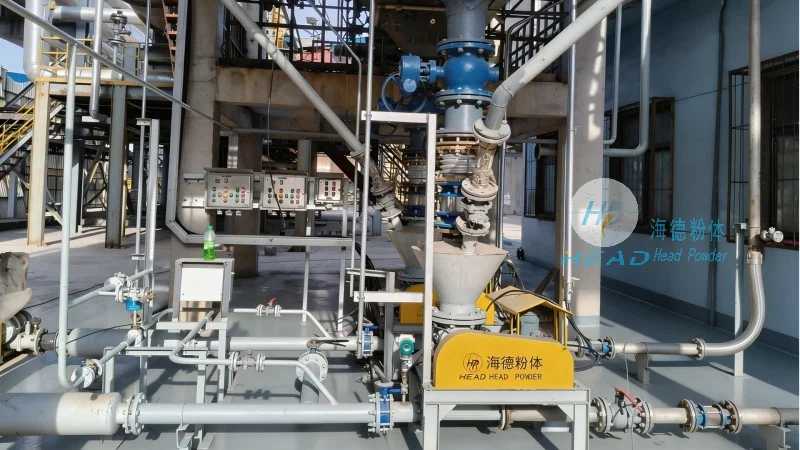
During the conveying process, the system maintains optimal conditions to preserve the quality of the fine chemicals. This includes controlling temperature and humidity levels, as well as preventing contamination from external sources. Advanced control systems monitor key parameters such as pressure, flow rate, and temperature in real-time, allowing for immediate adjustments to maintain process stability. The conveying line also incorporates safety features, such as explosion-proof designs and emergency shut-off valves, to protect operators and equipment from potential hazards associated with handling powders.
Working Principle: How It All Comes Together
The working principle of the fine chemical powder conveying line is based on the principles of fluid dynamics and mechanical engineering. In pneumatic conveying, for example, compressed air is introduced into the pipeline, creating a flow that entrains the powder particles and transports them to the destination. The air-powder mixture travels through the system, with the air acting as a carrier medium. The velocity and pressure of the air are carefully controlled to ensure efficient transport without causing excessive wear on the equipment or degradation of the powder. Mechanical conveyors, on the other hand, rely on the rotation of screws or belts to move powders along the conveyor path. The design of the screw or belt is tailored to the specific characteristics of the powder, such as its particle size and cohesive properties, to minimize blockages and ensure smooth operation.
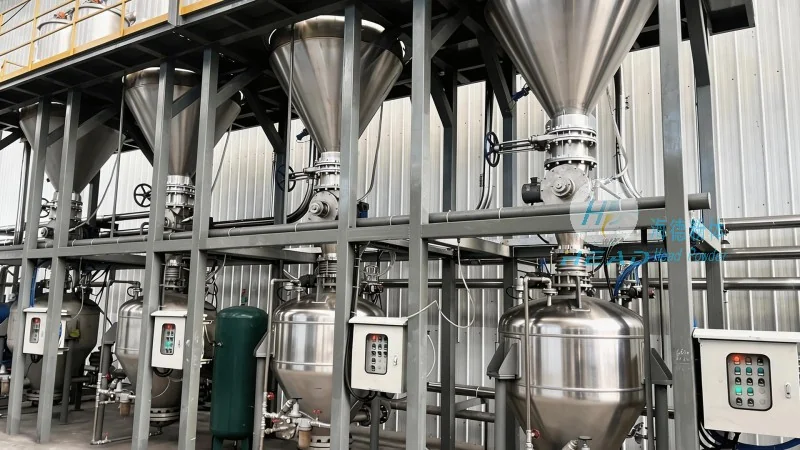
At the receiving end of the conveying line, the powders are discharged into a storage bin or processing unit. The discharge mechanism is designed to prevent product loss and ensure a clean transfer. Dust collection systems are integrated into the line to capture any airborne particles, maintaining a safe and clean working environment. The entire system operates under a closed-loop control, where feedback from sensors is used to adjust the operation in real-time, optimizing performance and reducing energy consumption.
Benefits and Applications in Fine Chemical Industries
The fine chemical powder conveying lines from Shandong HeadPowder Engineering Co., Ltd. offer numerous benefits for industrial applications. These systems enhance production efficiency by reducing downtime and improving material handling capabilities. By minimizing product contamination and degradation, they help maintain product quality and meet stringent regulatory requirements. The modular design of the systems allows for easy integration into existing production lines, and the customizable options enable adaptation to specific process needs. The applications of these conveying lines span various industries, including pharmaceuticals, food processing, and specialty chemicals, where handling fine powders requires precision and reliability.