

Operation Process and Working Principle of Silica Fume Powder Conveying Line
HeadPowder, a leading manufacturer in the field, specializes in providing efficient and reliable solutions for silica fume powder conveying systems. The silica fume powder conveying line is a critical component in industrial applications, designed to handle the transportation of fine powders like silica fume with precision and minimal loss. This article delves into the operational process and underlying principles of such a system, highlighting its importance in various industrial sectors.
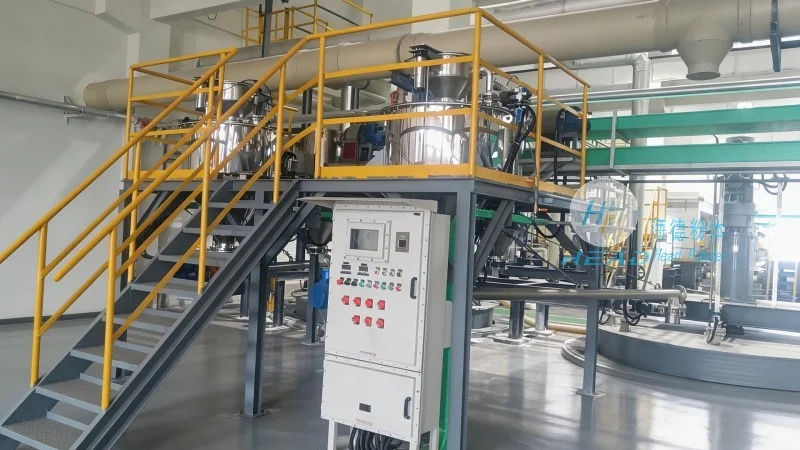
Key Components of the Silica Fume Powder Conveying Line
The silica fume powder conveying line typically consists of several essential components that work in tandem to ensure smooth and efficient material handling. These components include hoppers for material storage, feeders to control the flow rate, conveyor systems (such as pneumatic or mechanical conveyors), and dust collection systems to maintain environmental standards. Each component plays a vital role in the overall functionality of the line, contributing to the safe and effective transportation of silica fume powder.
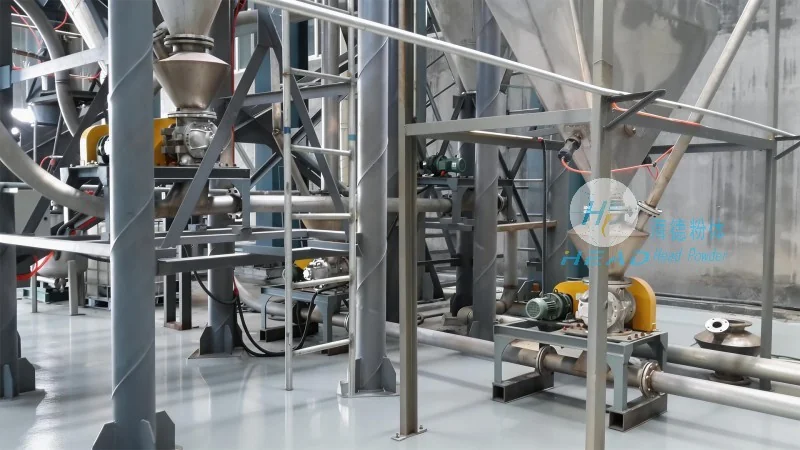
Operation Process of the Silica Fume Powder Conveying Line
The operation of the silica fume powder conveying line begins with the loading of silica fume into the hopper. The material is then fed into the conveyor system through a feeder, which regulates the flow rate to prevent overloading or underflow. In pneumatic conveying systems, compressed air is used to transport the powder through a network of pipes, while mechanical conveyors rely on rotating blades or belts to move the material. The conveying process is carefully monitored to ensure consistent flow and to minimize the risk of clogging or material degradation. At the end of the line, the silica fume is discharged into a storage silo or processing unit, completing the transportation cycle.
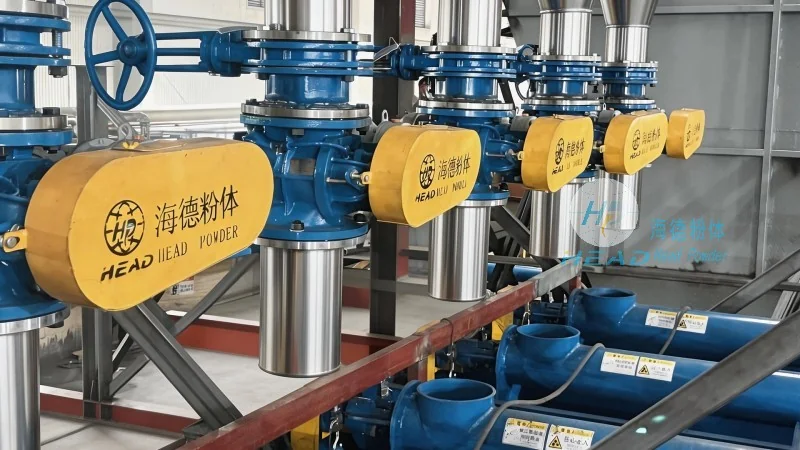
Working Principle of the Silica Fume Powder Conveying Line
The working principle of the silica fume powder conveying line is based on the principles of fluidization and air movement. In pneumatic conveying, the silica fume particles are suspended in a stream of air, allowing them to be transported through the system. The air pressure and velocity are carefully controlled to maintain the particle's suspension and prevent particle separation or agglomeration. Mechanical conveyors, on the other hand, utilize mechanical forces to move the powder, often through screw conveyors or belt systems. The design of the conveying line takes into account the properties of silica fume, such as its fine particle size and potential for static charge, to ensure efficient and safe operation. Proper maintenance and regular inspections are essential to uphold the performance and reliability of the system.
Benefits and Applications of the Silica Fume Powder Conveying Line
The silica fume powder conveying line offers numerous benefits to industrial operations, including improved material handling efficiency, reduced labor costs, and enhanced safety. By automating the transportation process, companies can minimize human intervention, thereby reducing the risk of accidents and exposure to fine powders. The system also helps in maintaining consistent material quality by preventing contamination and loss during transport. Applications of this technology are widespread, including in the construction industry for concrete production, in the chemical industry for raw material processing, and in the mining sector for ore handling. The versatility of the silica fume powder conveying line makes it a valuable asset for various industrial applications.
Conclusion
HeadPowder's silica fume powder conveying line exemplifies advanced engineering and operational efficiency. By understanding the operation process and working principles, industries can leverage this technology to enhance productivity and safety. With a commitment to quality and innovation, Shandong HeadPowder Engineering Co., Ltd. continues to provide reliable solutions for silica fume powder handling, ensuring that clients receive systems that meet their specific needs and adhere to industry standards. The company's location in Shandong, China, positions it as a key player in the global market for material handling equipment, offering expertise and support to clients worldwide.