

Operation Process and Working Principle of Calcium Carbonate Powder Handling Equipment
Calcium carbonate powder handling equipment is a specialized system engineered to efficiently transport and manage calcium carbonate powders in industrial applications. The operation process and working principle of such equipment are fundamental to ensuring smooth, reliable material flow, particularly in sectors like pharmaceuticals, plastics, and coatings where precision and consistency are non-negotiable.
Company Information
HeadPowder, a leading manufacturer in the field, specializes in delivering high-quality calcium carbonate powder handling solutions. The company is headquartered in Shandong, China, and has established a strong reputation for its innovative and reliable equipment. With years of industry experience, HeadPowder Engineering Co., Ltd. focuses on providing systems that meet the stringent requirements of diverse industries, emphasizing durability, efficiency, and safety.
Overview of Calcium Carbonate Powder Handling Equipment
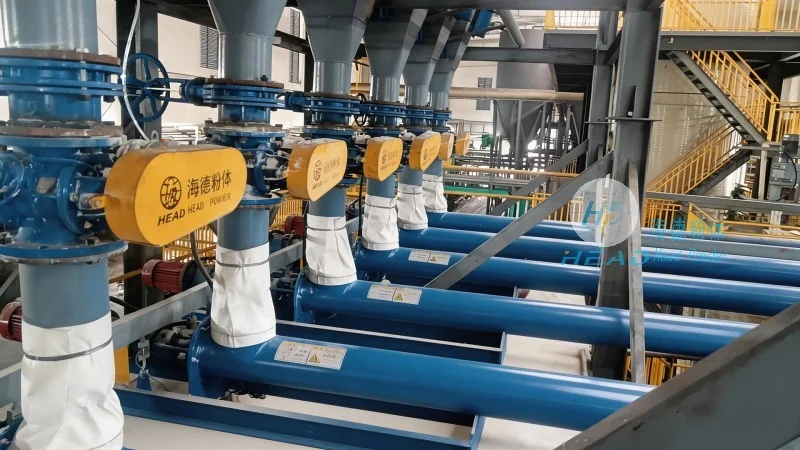
Calcium carbonate powder handling equipment typically comprises several critical components, including storage silos, feeders, conveyors, and control systems. These elements work in concert to ensure the safe and efficient movement of powders from storage to processing units. The design of the equipment is tailored to address the unique properties of calcium carbonate, such as its fine particle size, potential for dust generation, and abrasive nature, requiring specialized engineering solutions to prevent blockages, ensure consistent flow, and maintain operational safety.

Operation Process
The operation process of calcium carbonate powder handling equipment begins with the loading of raw calcium carbonate into storage silos. From there, the material is transferred to a feeder, which regulates the flow rate to the conveyor system. The conveyor then transports the powder to the processing area or other destinations within the facility. Throughout this sequence, advanced control mechanisms monitor and adjust parameters like flow rate, pressure, and level to prevent overfilling, clogging, or material loss. Regular maintenance and real-time monitoring are essential to ensure the equipment operates at optimal efficiency and to address any issues promptly.
Working Principle
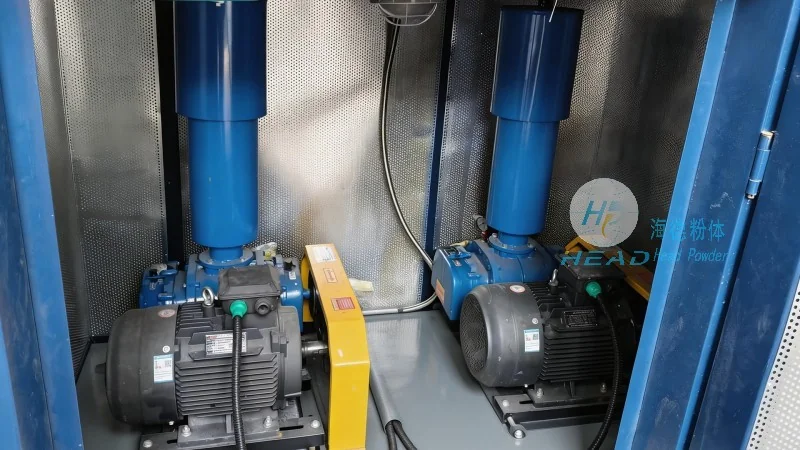
The working principle of calcium carbonate powder handling equipment relies on a combination of mechanical and pneumatic systems to move the powder. Feeders, such as rotary or vibratory types, control the initial flow from the silo, ensuring a consistent feed rate. Conveyors, often using screw or belt mechanisms, transport the powder along the desired path. In some systems, pneumatic conveying is employed, where air is used to create a pressure differential that moves the powder through pipes. This method is particularly effective for handling fine powders and minimizing dust exposure. The control system integrates sensors and automation to monitor key parameters, providing feedback to adjust the process and maintain stability.
Key Features and Benefits
Modern calcium carbonate powder handling equipment from HeadPowder offers several key features that enhance performance and safety. These include dust suppression systems to reduce airborne particles, which is crucial for maintaining a clean working environment and complying with environmental regulations. The equipment also features robust construction to withstand the abrasive nature of calcium carbonate powders, ensuring long-term durability and minimal downtime. Additionally, advanced control systems provide real-time monitoring and data logging, enabling better process optimization and quick troubleshooting.
Applications and Industries
Calcium carbonate powder handling equipment is widely utilized in various industries that rely on calcium carbonate as a raw material. In the pharmaceutical industry, precise handling is essential to maintain the purity and consistency of ingredients, ensuring product quality and regulatory compliance. In the plastics industry, the equipment ensures uniform mixing of calcium carbonate with other polymers, improving product strength and performance. Similarly, in the coatings and paints industry, the equipment helps achieve the desired texture and opacity in final products. The versatility of the equipment makes it suitable for a range of applications where reliable powder handling is critical to operational success.
Conclusion
Calcium carbonate powder handling equipment, as exemplified by the solutions from HeadPowder Engineering Co., Ltd., plays a vital role in modern industrial operations. By understanding the operation process and working principle of these systems, industries can ensure efficient material flow, reduce downtime, and enhance overall productivity. The combination of advanced engineering, robust construction, and intelligent control systems makes these equipment solutions indispensable for handling calcium carbonate powders safely and effectively, supporting the needs of various sectors with precision and reliability.