

Principles and Working Scene Characteristics of Phosphoric Hydrogen Calcium Powder Pneumatic Conveyi
Phosphoric hydrogen calcium powder, a critical component in the production of fertilizers and animal feed supplements, requires efficient material handling solutions for its transportation. Pneumatic conveying technology provides a reliable method for moving this fine powder, particularly in industrial environments where bulk material transport is essential. This article examines the fundamental principles of phosphoric hydrogen calcium powder pneumatic conveying and outlines the key characteristics of working scenes where this technology is commonly utilized.
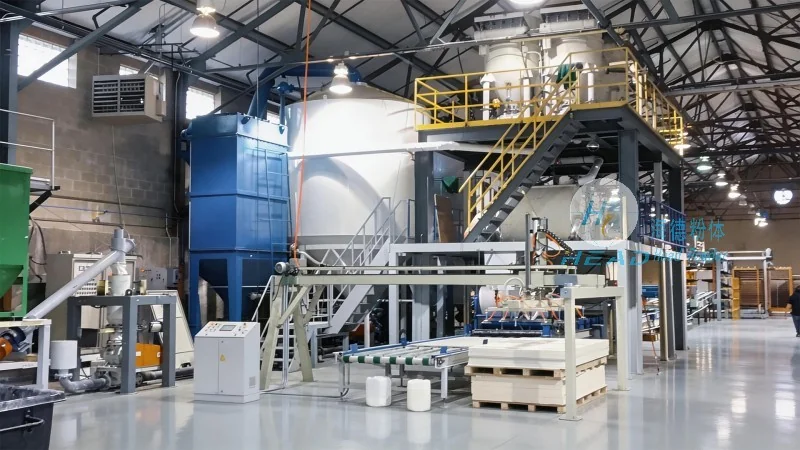
Introduction to Phosphoric Hydrogen Calcium Powder and Pneumatic Conveying Systems
Phosphoric hydrogen calcium (chemical formula: Ca(H₂PO₄)₂), also known as calcium dihydrogen phosphate, serves as a primary source of phosphorus and calcium in agricultural and nutritional applications. Its fine particulate form necessitates specialized handling to prevent dust generation, maintain product purity, and ensure operational efficiency. Pneumatic conveying systems utilize air or gas to transport the powder through a pipeline network, eliminating the need for mechanical components like buckets or belts. This approach reduces maintenance requirements and minimizes the risk of product contamination.
Core Principles of Pneumatic Conveying for Phosphoric Hydrogen Calcium Powder
The operation of a pneumatic conveying system for phosphoric hydrogen calcium powder is based on the principle of air flow and particle suspension. In a typical setup, the powder is introduced into a hopper or feeder, where it is mixed with air under controlled pressure. The air velocity is maintained above the minimum fluidization velocity of the powder, ensuring particles remain suspended and move through the pipeline. This process can be classified into two main types: dilute-phase and dense-phase conveying. Dilute-phase systems operate at higher air velocities, moving particles in a dispersed state, while dense-phase systems use lower velocities to transport particles in a more concentrated stream, reducing the risk of particle degradation or pipeline blockage.
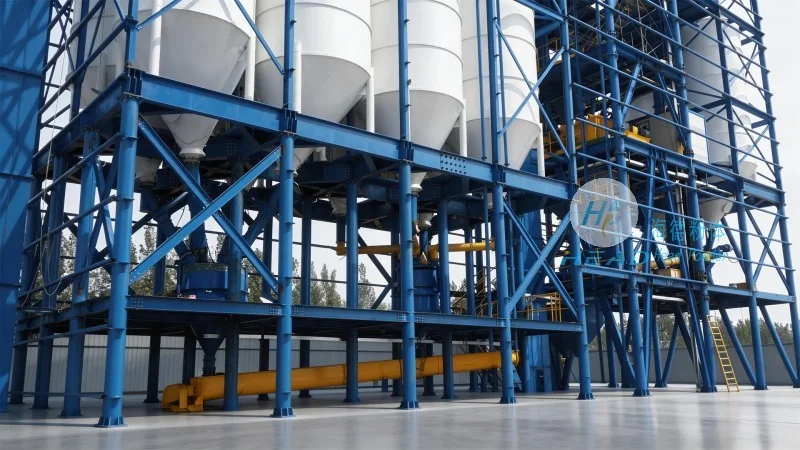
Working Scene Characteristics of Phosphoric Hydrogen Calcium Powder Pneumatic Conveying
The application of pneumatic conveying for phosphoric hydrogen calcium powder is defined by several key working scene features. Firstly, the material's hygroscopic nature requires systems designed to minimize moisture absorption and prevent caking, which can affect flowability. Secondly, the high dust generation potential demands effective dust control measures, such as sealed systems and filtration units, to ensure workplace safety and compliance with environmental regulations. Thirdly, the need for precise dosing and uniform mixing in downstream processes, like fertilizer blending or feed production, necessitates conveying systems with high accuracy and low variability in particle distribution. Additionally, industrial-scale operations often involve long-distance transport, requiring robust pipeline designs and consistent air pressure to maintain system efficiency.
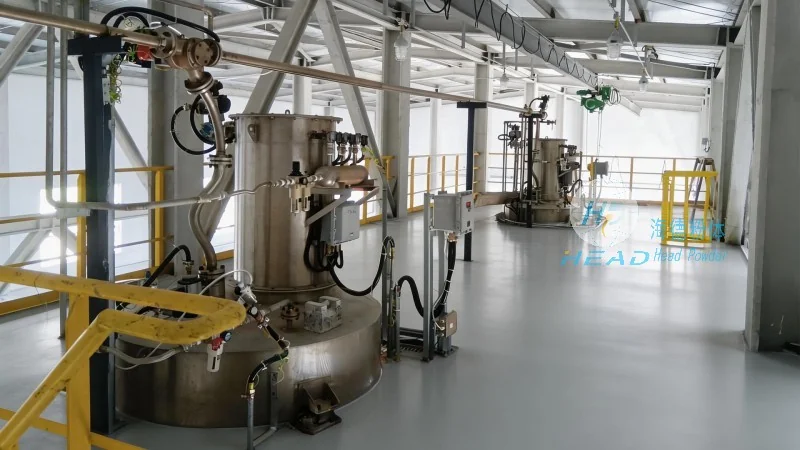
Key Advantages and Practical Considerations in Industrial Applications
Implementing pneumatic conveying for phosphoric hydrogen calcium powder offers several advantages in industrial settings. These include reduced labor costs due to automated material handling, improved product quality through minimized contamination and exposure to external elements, and enhanced safety by eliminating manual handling of powders. However, there are also considerations to address, such as the need for regular maintenance of air filtration systems to prevent clogging, the importance of proper system sizing to avoid pressure drops or particle degradation, and the requirement for energy-efficient air compressors to manage operational costs. The choice between dilute-phase and dense-phase systems depends on the specific application requirements, with dense-phase conveying often preferred for high-value or sensitive materials like phosphoric hydrogen calcium powder.
Conclusion and Practical Implications
In conclusion, pneumatic conveying is a highly effective method for transporting phosphoric hydrogen calcium powder, offering solutions tailored to the material's properties and industrial application needs. The principles of air flow and particle suspension, combined with careful consideration of working scene characteristics, ensure efficient and reliable material handling. For industries relying on this powder, partnering with specialized engineering companies like Shandong HeadPowder Engineering Co., Ltd. can provide tailored pneumatic conveying systems that optimize performance, safety, and cost-effectiveness. With a focus on innovation and adherence to industry standards, such companies help ensure that the transportation of phosphoric hydrogen calcium powder meets the demands of modern industrial production.