

Principles and Application Scenarios of Pneumatic Conveying for Wood Fiber Powders
HeadPowder, a leading provider in the field of powder handling technology, specializes in solutions for the efficient and reliable transportation of wood fiber powders through pneumatic conveying systems. This article delves into the fundamental principles of pneumatic conveying and highlights key application scenarios where such systems are particularly effective.
Understanding Pneumatic Conveying Principles
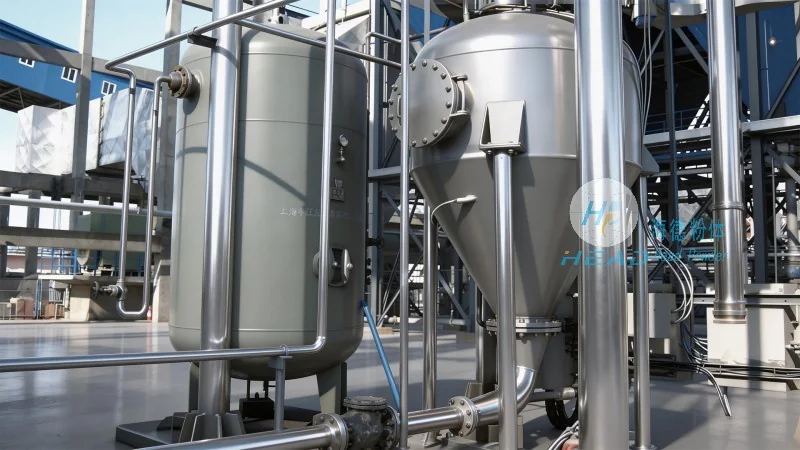
Pneumatic conveying, also known as air conveying, is a method of transporting bulk materials, including wood fiber powders, by using a stream of pressurized or suctioned air. The core principle involves creating a flow of air that carries the powder particles through a pipeline. This process relies on the interaction between the air flow and the material particles, ensuring that the wood fiber powder is moved from one location to another without the need for mechanical components like belts or buckets in traditional bulk material handling.
The system typically consists of a feeding device, a conveying line, and a discharge unit. The feeding device introduces the wood fiber powder into the air stream, while the conveying line transports the mixture to the destination. The discharge unit then separates the powder from the air, often using cyclones or filters. This method is particularly advantageous for wood fiber powders due to their lightweight and sometimes abrasive nature, as it minimizes material degradation and ensures a clean, dust-free transfer.
Key Application Scenarios for Wood Fiber Pneumatic Conveying
Wood fiber pneumatic conveying systems are widely utilized in various industrial settings where the efficient handling of wood fiber powders is critical. One primary application is in the manufacturing of wood-based panels, such as particleboard and MDF. In these facilities, large quantities of wood fiber are required to be transported from storage silos to processing lines. Pneumatic conveying systems offer a seamless solution, allowing for continuous and automated material flow, which enhances production efficiency and reduces labor costs.
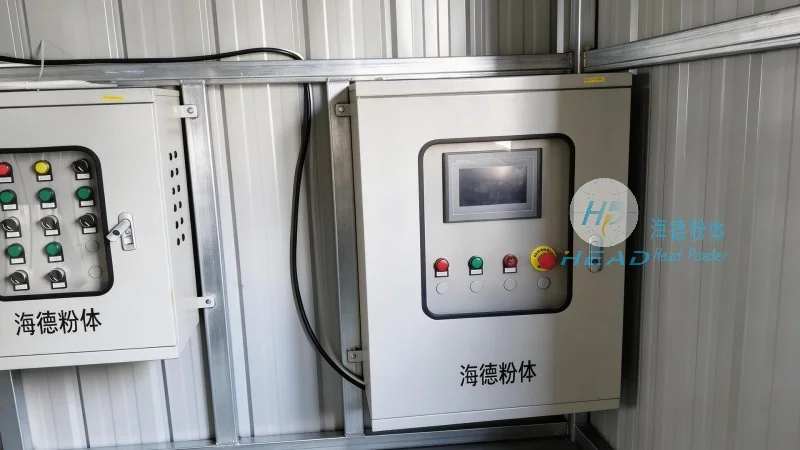
Another significant application is in the production of wood fiber insulation materials. These materials are often produced in large-scale plants where the wood fiber powder needs to be conveyed from grinding and drying units to mixing and pressing sections. The ability of pneumatic conveying to handle fine powders without clogging or blockages makes it ideal for this process, ensuring consistent product quality and reducing downtime due to equipment maintenance.
Additionally, in the production of wood fiber-based composites, such as fiberboard or oriented strand board (OSB), pneumatic conveying systems play a crucial role in transporting the raw wood fiber to the mixing and molding equipment. The systems are designed to handle varying particle sizes and moisture content, adapting to the specific requirements of different composite manufacturing processes. This adaptability ensures that the wood fiber powder is delivered in optimal condition, contributing to the overall quality of the final product.
Benefits of Using Pneumatic Conveying for Wood Fiber Handling
Implementing pneumatic conveying systems for wood fiber powders offers several key benefits that enhance operational efficiency and product quality. Firstly, the system provides a dust-free and clean transfer process, which is essential in maintaining a safe working environment and complying with environmental regulations. Unlike mechanical conveying methods, which can generate significant dust and cause respiratory issues, pneumatic conveying minimizes airborne particles, improving workplace safety.
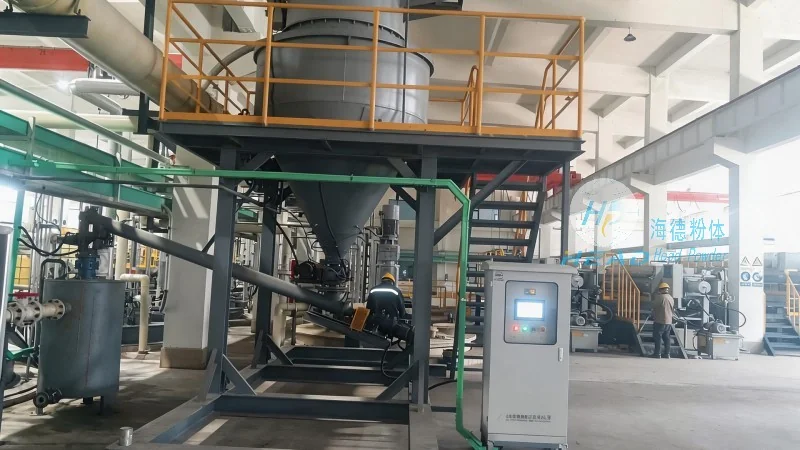
Secondly, pneumatic conveying systems are highly flexible and can be easily integrated into existing production lines. They can be adjusted to handle different flow rates and material characteristics, making them suitable for a wide range of wood fiber applications. The ability to transport materials over long distances without the need for intermediate storage or handling points also streamlines the production process, reducing the overall footprint of the facility.
Thirdly, the system is energy-efficient compared to other bulk material handling methods. By using air as the conveying medium, the energy consumption is lower, and the system can be optimized to operate at minimal power levels. This not only reduces operational costs but also contributes to the sustainability of the manufacturing process, aligning with modern environmental standards.
Conclusion
HeadPowder Engineering Co., Ltd., based in Shandong, China, is committed to providing advanced pneumatic conveying solutions tailored to the unique needs of wood fiber processing industries. By leveraging the principles of pneumatic conveying, companies can achieve efficient, reliable, and cost-effective handling of wood fiber powders, enhancing their production capabilities and ensuring product quality. The application of these systems in various industrial scenarios demonstrates their versatility and effectiveness, making them an indispensable part of modern wood fiber processing operations.