

Operation Process and Working Principle of Coffee Bean Powder Conveying Equipment
For coffee processing enterprises, the efficient and stable operation of coffee bean powder conveying equipment is crucial to ensuring production line continuity and product quality. This article will introduce the operation process and working principle of coffee bean powder conveying equipment from Shandong HeadPowder Engineering Co., Ltd., a leading manufacturer in the field.
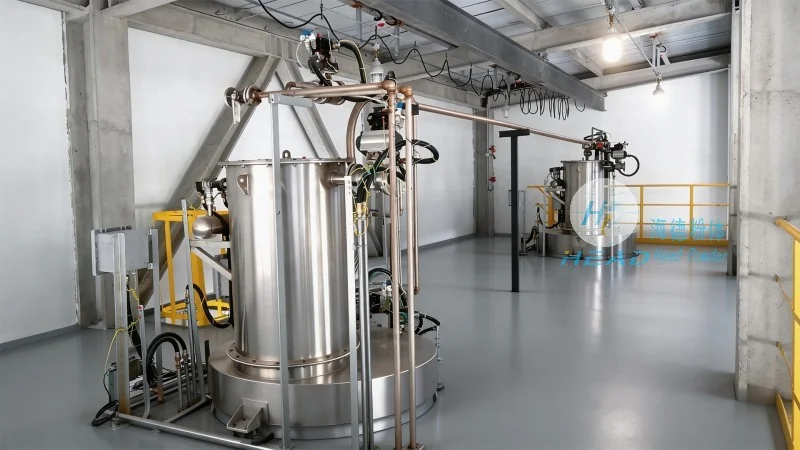
Company Profile: Shandong HeadPowder Engineering Co., Ltd.
Shandong HeadPowder Engineering Co., Ltd. is a professional enterprise dedicated to the research, development, production, and sales of powder conveying equipment. With a focus on innovation and quality, the company has established itself as a reliable partner for coffee processing industries. Located in Shandong, China, HeadPowder provides tailored solutions to meet the diverse needs of coffee bean handling and transportation.

The Operation Process of Coffee Bean Powder Conveying Equipment
The operation process of coffee bean powder conveying equipment typically involves several key steps. First, the coffee beans are fed into the equipment through a hopper or feeder. The equipment then uses a combination of mechanical components, such as screws, belts, or pneumatic systems, to transport the coffee beans from the input to the output. During the conveying process, the equipment ensures minimal product degradation and maintains consistent flow rates. The final step is the discharge of the coffee beans into the next processing stage, such as roasting or packaging. Each step is carefully controlled to ensure the quality and integrity of the coffee beans are preserved throughout the conveying process.
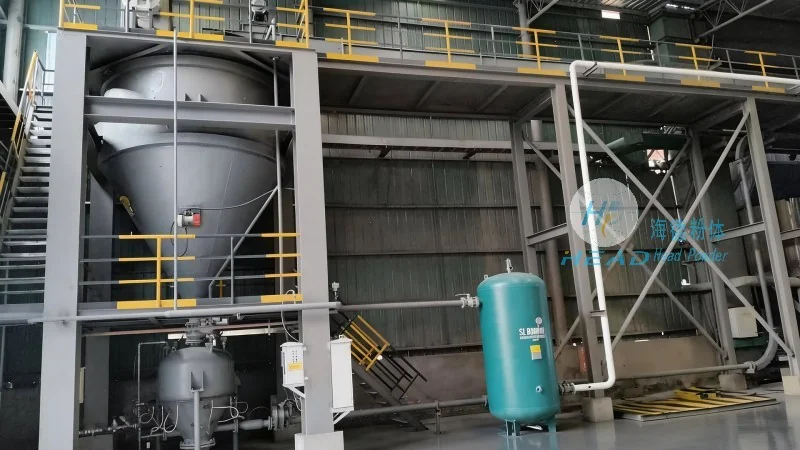
Working Principle of Coffee Bean Powder Conveying Equipment
The working principle of coffee bean powder conveying equipment is based on the principles of fluidization and mechanical transport. For example, screw conveyors utilize rotating screws to push coffee beans forward, while pneumatic conveyors use compressed air to create a flow of coffee beans through a pipeline. The design of the equipment is optimized to handle the unique characteristics of coffee beans, including their size, moisture content, and density. This ensures that the conveying process is efficient, energy-saving, and safe for the product. The fluidization process in pneumatic conveyors, for instance, creates a uniform flow of coffee beans, preventing clogging and ensuring smooth operation.
Key Features and Benefits for Coffee Processing Industries
HeadPowder's coffee bean powder conveying equipment offers several advantages for coffee processing enterprises. These include high conveying efficiency, which reduces production downtime and increases output. The equipment is also designed for easy maintenance and cleaning, which is essential for maintaining hygiene standards in food processing. Additionally, the equipment is energy-efficient, helping to reduce operational costs and environmental impact. The durability of the equipment ensures long-term reliability, providing a solid return on investment for coffee processing businesses. The equipment is also equipped with safety features, such as overload protection and temperature monitoring, to prevent accidents and ensure the safety of operators.
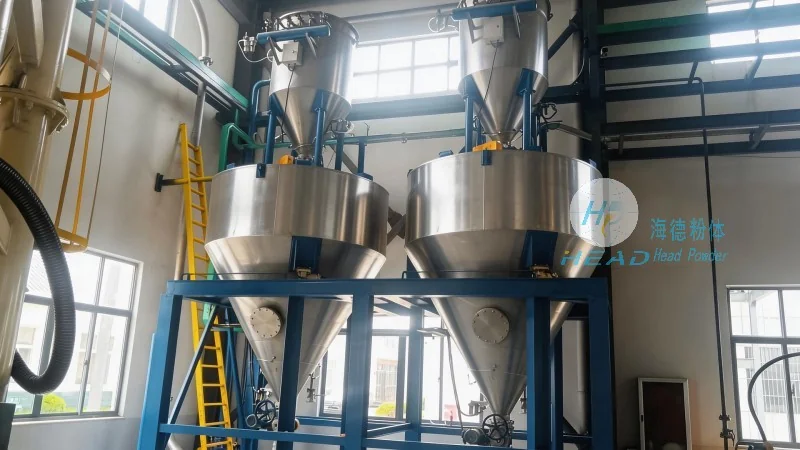
Application Scenarios and Industry Solutions
Coffee bean powder conveying equipment is widely used in various stages of coffee processing. In the raw material handling stage, the equipment efficiently transports coffee beans from storage to the roasting line. During the roasting process, the equipment may be used to convey roasted coffee beans to packaging or further processing. The equipment is also suitable for transporting coffee grounds or other powder products, making it a versatile solution for coffee processing industries. HeadPowder's customized solutions cater to the specific requirements of each coffee processing facility, ensuring optimal performance and productivity. For example, in large-scale coffee processing plants, the equipment can handle high volumes of coffee beans, while in small-scale operations, it provides a compact and efficient solution.