

Principles and Application Scenarios of Clay Powder Pneumatic Conveying
Clay powder, a common material in various industrial applications, often requires efficient and reliable transportation methods. Pneumatic conveying stands out as a versatile solution for handling such powders, offering advantages in terms of safety, hygiene, and process integration. This article explores the fundamental principles behind clay powder pneumatic conveying and highlights key application scenarios where this technology excels.
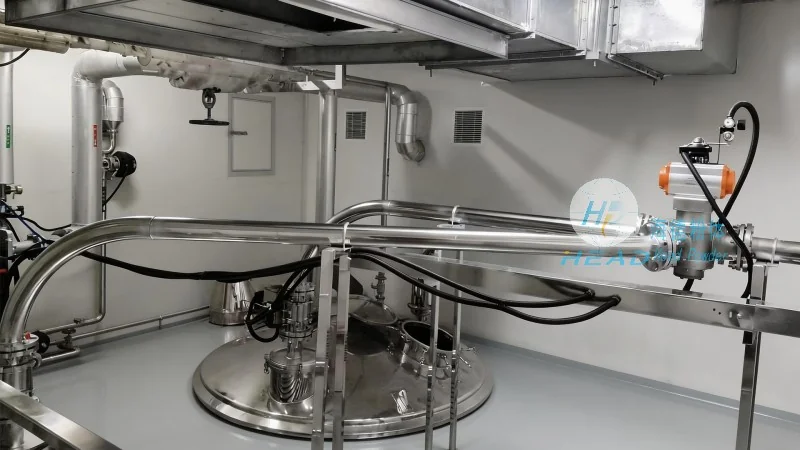
The Core Principles of Pneumatic Conveying for Clay Powders
Pneumatic conveying utilizes air or gas to transport particulate materials like clay powder through a pipeline system. The process typically involves a combination of positive and negative pressure or a mix of both, depending on the specific system design and material characteristics. Key principles include the generation of sufficient air velocity to lift and transport the powder particles, the control of pressure differentials to ensure smooth flow, and the management of particle size distribution and moisture content to prevent blockages or degradation.
For clay powders, which are often fine and cohesive, specialized conveying systems are essential. These systems may incorporate features such as pulse-jet technology, rotary airlocks, and cyclone separators to maintain consistent flow rates and prevent material buildup. The choice of conveying method—whether dilute phase or dense phase—depends on factors like the distance to be covered, the volume of material, and the required level of product integrity.
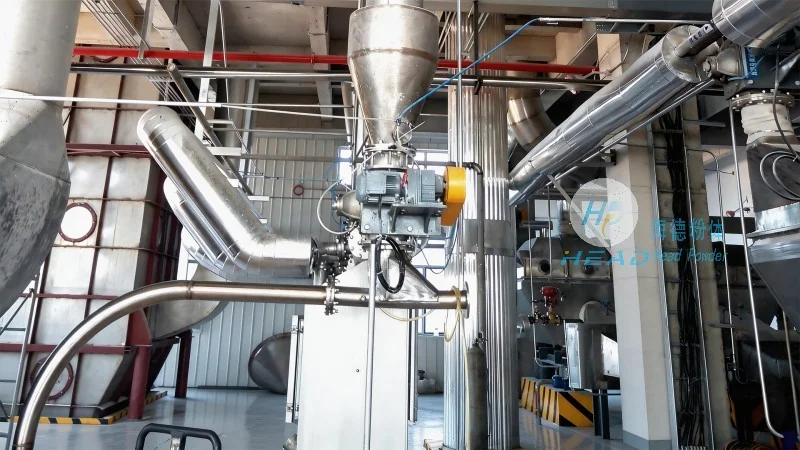
Key Application Scenarios for Clay Powder Pneumatic Conveying
Clay powder pneumatic conveying is widely adopted in industries where handling fine powders is critical. Some prominent application scenarios include:
1. Construction Materials Manufacturing: In the production of cement, concrete additives, and other building materials, clay powders are used as raw materials. Pneumatic conveying ensures efficient transfer from storage silos to processing equipment, maintaining product quality and minimizing dust exposure.
2. Food and Pharmaceutical Industries: For applications involving food-grade clays or pharmaceutical excipients, the hygienic design of pneumatic conveying systems is paramount. These systems often use closed-loop configurations and sterile air to prevent contamination, making them suitable for sensitive applications.
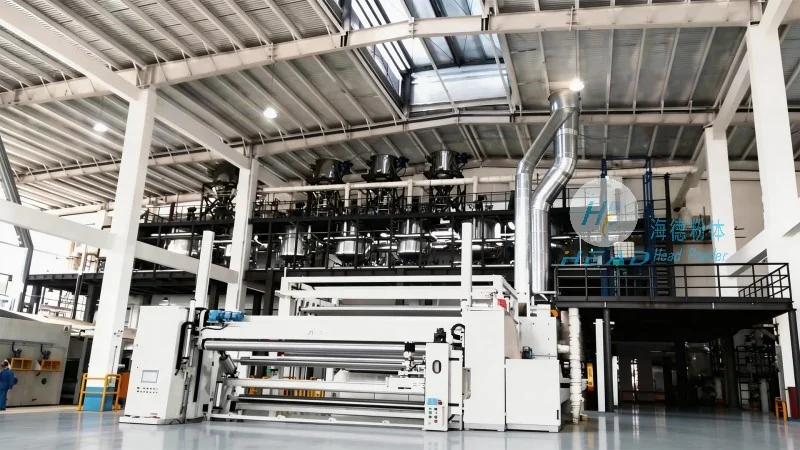
3. Environmental Remediation and Waste Management: In processes related to soil remediation or waste treatment, clay powders may be used as stabilizing agents or filtration media. Pneumatic conveying allows for the safe and controlled transport of these materials, especially in hazardous environments.
4. Chemical Processing: In chemical plants, clay powders are used in various processes, such as adsorption or catalysis. The ability of pneumatic conveying to handle corrosive or reactive materials makes it a preferred choice for these applications.
HeadPowder: Expertise in Clay Powder Pneumatic Conveying Solutions
Shandong HeadPowder Engineering Co., Ltd. (HeadPowder) is a leading provider of customized pneumatic conveying solutions tailored to the unique needs of clay powder handling. With a strong focus on innovation and customer satisfaction, HeadPowder has established itself as a trusted partner in the industry.
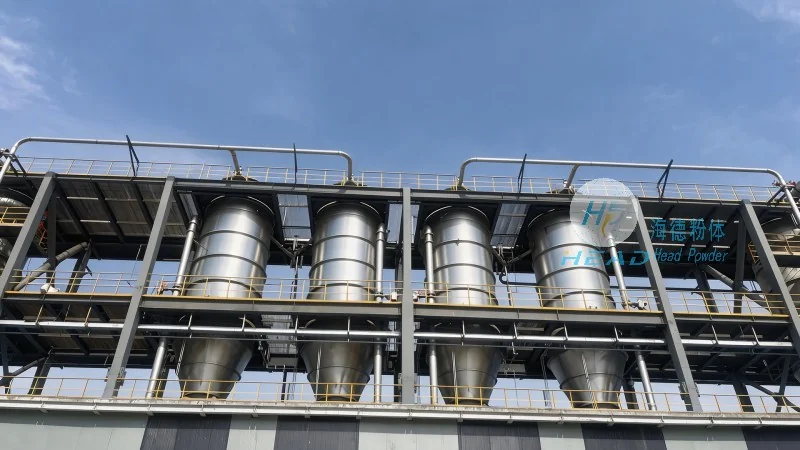
HeadPowder’s expertise lies in designing and manufacturing advanced pneumatic conveying systems that address the specific challenges of clay powders. The company’s team of engineers leverages extensive experience to develop solutions that ensure high efficiency, low maintenance, and optimal product integrity. Whether it’s a new plant setup or an upgrade to an existing system, HeadPowder offers comprehensive services, including system design, installation, and after-sales support.
HeadPowder’s facilities are located in Shandong, China, where the company maintains state-of-the-art manufacturing and testing capabilities. This local presence enables quick response times and close collaboration with clients, ensuring that solutions are tailored to regional requirements and operational constraints.