

Principles and Operational Scenarios of PVB Material Handling Systems
Shandong HeadPowder Engineering Co., Ltd., based in Shandong, China, specializes in the design and manufacturing of advanced material handling systems, particularly those utilizing polyvinyl butyral (PVB) materials. The company's expertise lies in creating efficient and reliable systems that cater to diverse industrial needs, ensuring optimal performance and durability in various operational environments.
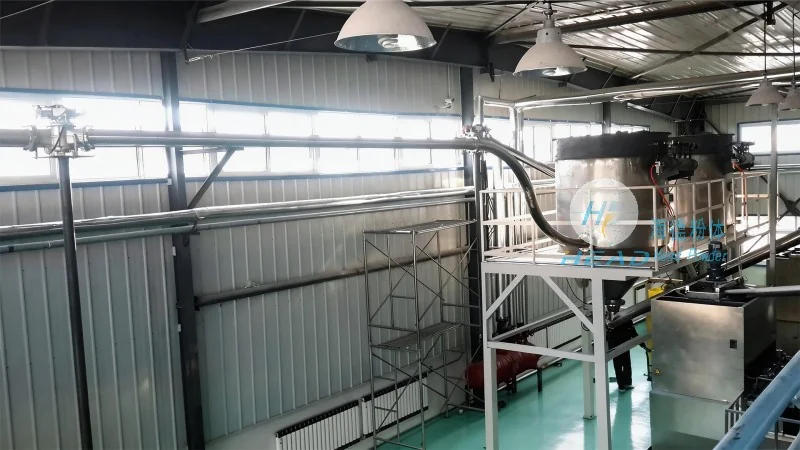
PVB, or polyvinyl butyral, is a synthetic polymer known for its excellent adhesion properties, flexibility, and resistance to environmental factors. In material handling systems, PVB is often used as a key component in adhesive films, protective coatings, or as a medium for transporting materials that require precise control and protection. The core principle of PVB material handling systems revolves around the integration of PVB's unique material characteristics with mechanical and hydraulic components to achieve seamless material transport.
At the heart of PVB material handling systems is the mechanism of material transport, which typically involves a combination of pumps, conveyors, and control systems. The system's design ensures that PVB-based materials are moved efficiently from one location to another, maintaining consistent quality and preventing damage during transit. This is achieved through precise control of flow rates, pressure, and temperature, which are critical factors in preserving the integrity of PVB materials, especially in applications where adhesion and optical clarity are paramount.
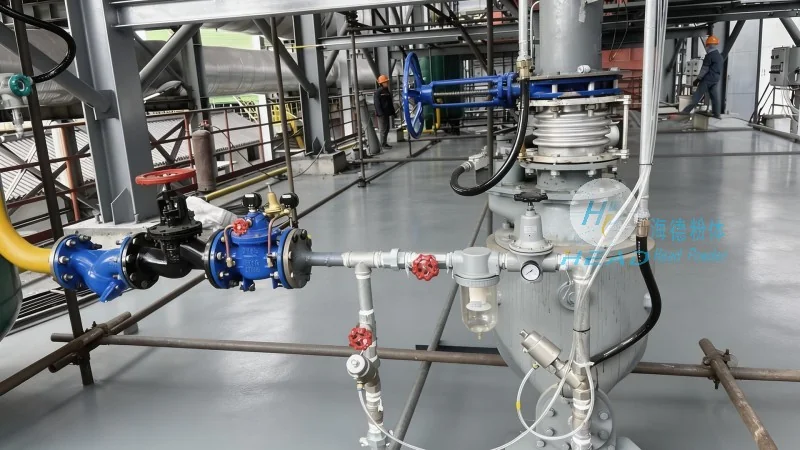
One of the key operational scenarios where PVB material handling systems excel is in the automotive glass manufacturing industry. Here, PVB is used as an interlayer in laminated glass, and the system must ensure that the PVB film is applied uniformly and with precise thickness control. The system's ability to handle PVB materials under controlled conditions, such as maintaining low temperatures to prevent film wrinkling or sticking, is crucial for producing high-quality automotive glass. Additionally, the system's reliability in handling large volumes of PVB material, often in continuous production lines, makes it an indispensable part of modern automotive manufacturing processes.
In the construction and architectural sectors, PVB material handling systems are utilized for transporting PVB-based adhesives or protective films used in building applications. The systems are designed to handle the varying viscosities and flow characteristics of PVB adhesives, ensuring that the material is delivered to application points with consistent quality. This is particularly important in large-scale construction projects where uniform adhesion and durability of PVB coatings are essential for the longevity of structures. The systems also incorporate features such as temperature regulation and flow monitoring to maintain the optimal properties of PVB materials throughout the handling process.
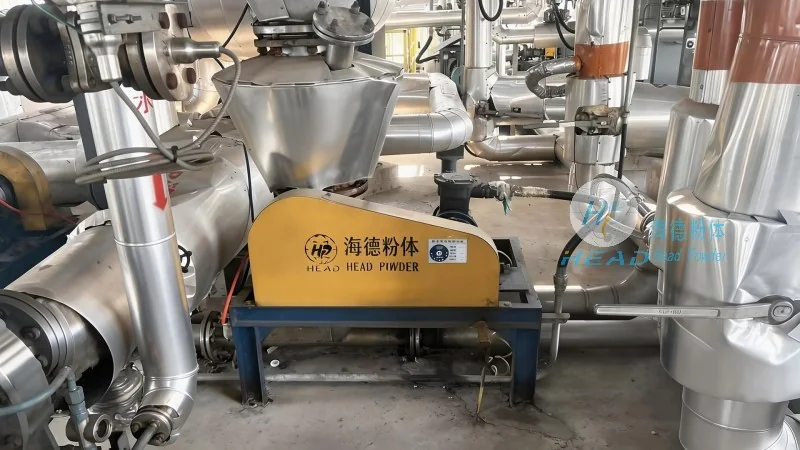
Another significant application of PVB material handling systems is in the optical and display industries. Here, PVB is used as a protective film or adhesive layer in LCD and other display technologies. The system's precision in controlling the thickness and uniformity of PVB films is critical for achieving high-resolution displays and protecting sensitive optical components. The ability to handle PVB materials in a clean, dust-free environment is also essential, as any contamination can affect the performance of the final display products. The systems are equipped with advanced filtration and air purification features to ensure that the PVB materials remain free from particulate matter, maintaining the high standards required in the optical industry.
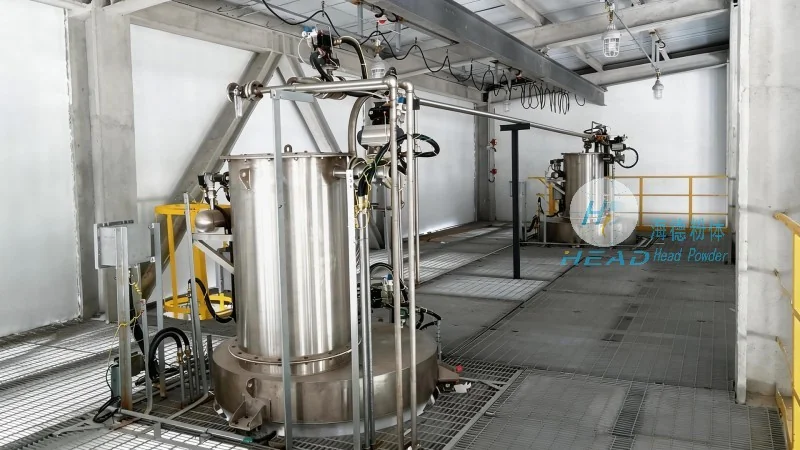
When evaluating PVB material handling systems, several key features and operational characteristics are considered. The system's capacity to handle different PVB formulations, including those with varying viscosities or additives, is a critical factor. Additionally, the system's energy efficiency and maintenance requirements play a significant role in its overall performance and cost-effectiveness. The integration of automation and control systems allows for real-time monitoring and adjustment of parameters, ensuring that the PVB material is handled under optimal conditions at all times. This level of control not only improves the quality of the final product but also enhances the safety and reliability of the operation.
Shandong HeadPowder Engineering Co., Ltd. continues to innovate in the development of PVB material handling systems, focusing on enhancing efficiency, reducing downtime, and improving overall operational performance. By leveraging advanced engineering and material science, the company ensures that its systems meet the stringent requirements of various industries, providing customers with reliable and high-performance solutions for their material handling needs. The company's commitment to quality and customer satisfaction is reflected in the robust design and durable construction of its PVB material handling systems, which are built to withstand the demands of modern industrial applications.