

Principle and Working Scene Characteristics of Ceramic Powder Handling Equipment Systems
Shandong HeadPowder Engineering Co., Ltd., commonly known as HeadPowder, is a professional manufacturer specializing in ceramic powder handling equipment systems. With its headquarters located in Shandong, China, the company has established itself as a leading provider of advanced solutions for the efficient and reliable transport of ceramic powders in various industrial applications.
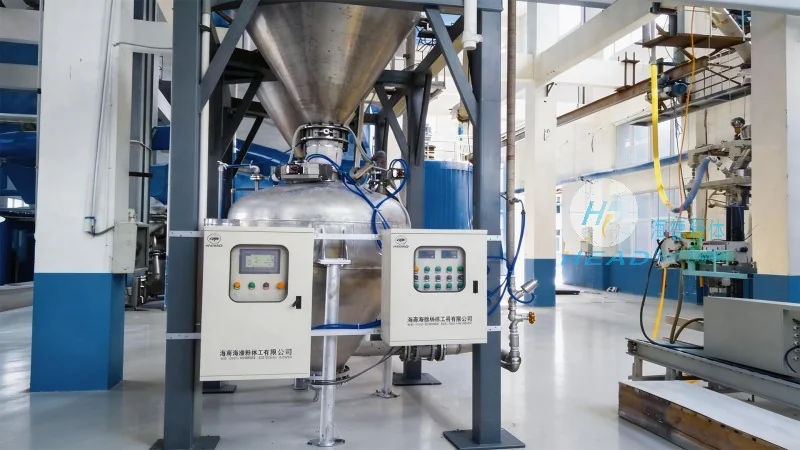
Ceramic Powder Handling Equipment Systems: Core Components and Operational Principles
The ceramic powder handling system is a sophisticated piece of industrial equipment designed to handle, transport, and manage ceramic powders with precision and efficiency. At the heart of this system are several key components that work in tandem to ensure optimal performance. The primary components typically include a hopper for material storage, a feeding mechanism (such as a screw feeder or rotary valve) to control the flow of powder, a conveying system (like pneumatic or mechanical conveyor) to transport the powder to the desired location, and a control panel to monitor and regulate the entire process. The system operates on the principle of controlled material flow, ensuring that the ceramic powder is moved safely and without degradation. The feeding mechanism precisely regulates the amount of powder released, while the conveying system ensures consistent and reliable transport. The control panel provides real-time monitoring of key parameters, such as flow rate, pressure, and temperature, allowing operators to adjust the system as needed to maintain optimal performance. This integrated approach minimizes material loss, reduces downtime, and enhances overall operational efficiency.
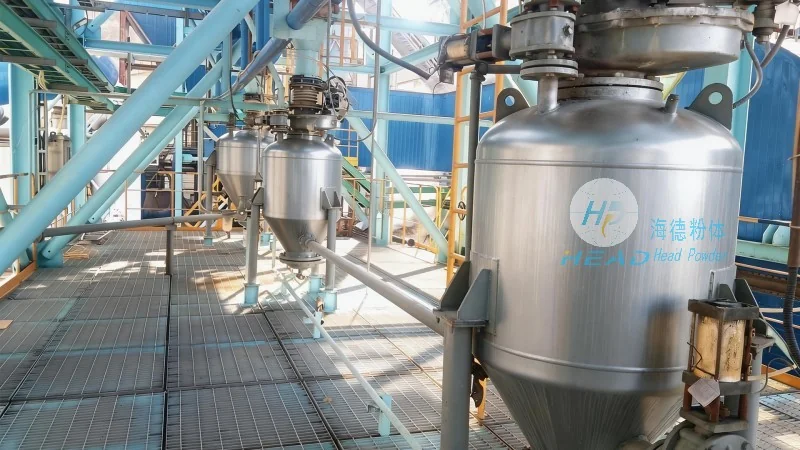
Working Scene Characteristics: Applications and Operational Environments
The ceramic powder handling system is designed to operate in diverse industrial environments, catering to the specific needs of different applications. One of the key working scene characteristics is its adaptability to various ceramic powder types, including high-purity powders used in electronics, refractory materials for the steel industry, and ceramic raw materials for the ceramics manufacturing sector. The system's design allows it to handle powders with different particle sizes, densities, and flow properties, making it suitable for a wide range of industrial processes. Another important characteristic is its ability to operate in clean and controlled environments, which is crucial for applications where contamination must be minimized, such as in the production of semiconductor components or high-value ceramic products. The system's enclosed design and sealed components help prevent dust and powder from escaping, maintaining a safe and compliant working environment. Additionally, the system is engineered for durability and reliability, with robust construction that can withstand the rigors of continuous operation in demanding industrial settings. This makes it suitable for long-term use in manufacturing facilities, research laboratories, and other industrial applications where consistent performance is essential.
Diverse Conveying Methods and Their Applications
Within the ceramic powder handling system, two primary conveying methods are commonly employed: pneumatic (air-assisted) and mechanical (belt or screw) conveyors. Pneumatic systems use compressed air to transport the powder through a pipeline, making them ideal for long-distance transport and applications where dust containment is critical. They are particularly useful in environments where the powder is sensitive to moisture or contamination. Mechanical conveyors, on the other hand, rely on mechanical components like screws or belts to move the powder, offering advantages in terms of lower energy consumption and the ability to handle larger particle sizes. The choice between these systems depends on the specific requirements of the application, including the powder's properties, the distance to be covered, and the need for dust control. The system's design allows for flexibility, enabling the integration of both pneumatic and mechanical components to meet the unique needs of different industrial processes.
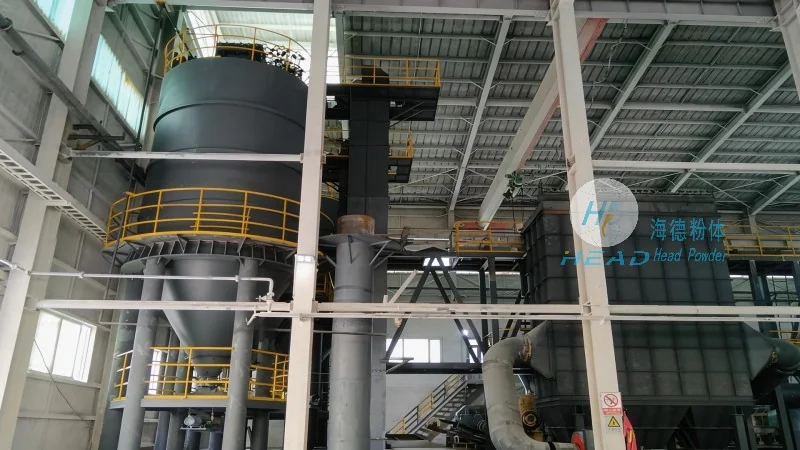
Industrial Applications and Operational Efficiency
In the electronics industry, the ceramic powder handling system is used to transport high-purity alumina or zirconia powders for the production of ceramic substrates and components. The system's ability to maintain a clean and controlled environment is critical in this application, as any contamination can affect the performance of the final product. In the refractory industry, the system handles refractory materials used in the production of furnace linings and other high-temperature components. The system's durability and ability to handle abrasive materials make it suitable for these demanding applications. Similarly, in the ceramics manufacturing industry, the system is used to transport raw ceramic materials, such as clay and feldspar, to the production lines. The system's efficiency in handling large volumes of material helps streamline the manufacturing process, reducing production time and costs.