

Principle and Working Scene Characteristics of Tonne Bag Breakage Powder Conveying System Equipment
HeadPowder, a leading manufacturer based in Shandong, China, specializes in advanced powder handling solutions. The company's core product, the tonne bag breakage powder conveying system, is designed to efficiently manage bulk powder materials from large bags, ensuring seamless integration into industrial processes.
Principle of the Tonne Bag Breakage Powder Conveying System
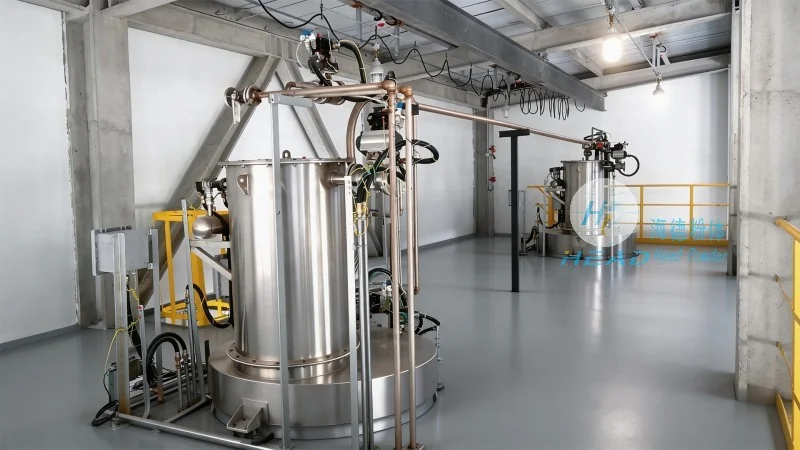
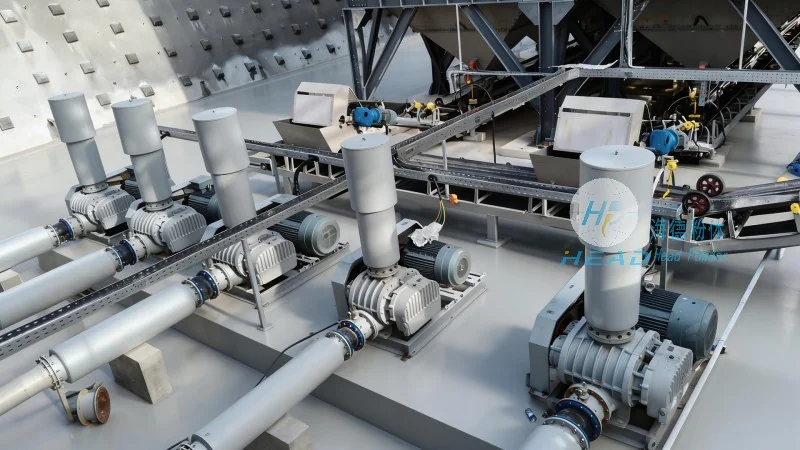
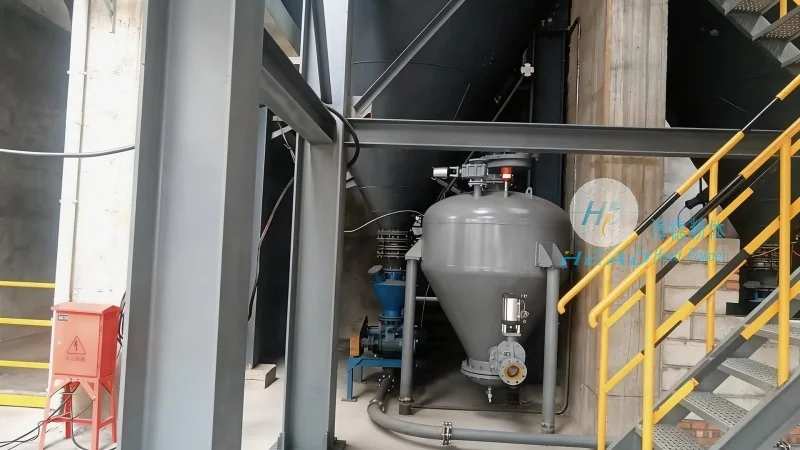
The system operates on a multi-stage mechanism that combines bag opening, material disintegration, and pneumatic conveying. At the initial stage, the tonne bag is positioned and secured by the system's mechanical gripper, which uses a combination of clamping and alignment mechanisms to ensure the bag is stable during processing. A specialized breaker, often equipped with rotating blades or impact plates, then penetrates the bag's fabric, breaking the solid material into smaller particles. This disintegration step is crucial as it prevents blockages and ensures uniform particle size distribution, which is vital for consistent downstream processing. Following the breakage, the liberated powder is drawn into the conveying line by a powerful vacuum or pressure system, depending on the specific design. The conveying medium, typically air or a combination of air and inert gases, transports the powder through a network of pipes to the target destination, such as a silo, storage tank, or processing unit. The system's control panel allows for real-time monitoring and adjustment of parameters like airflow, pressure, and bag opening speed, optimizing performance and minimizing downtime. The integration of sensors and automation further enhances reliability, as the system can detect and respond to anomalies, such as bag jams or pressure fluctuations, automatically adjusting operations to maintain smooth material flow. Additionally, the system may include features like dust filtration and material separation to ensure that only the desired powder is conveyed, preventing contamination from other particles or debris.
Working Scene Characteristics of the System
The tonne bag breakage powder conveying system is particularly suited for industrial environments where large volumes of bulk powders are handled, such as in chemical, pharmaceutical, food, and mining sectors. Its design addresses key challenges associated with traditional manual bag emptying methods, which are often labor-intensive, time-consuming, and prone to dust contamination. The automated nature of the system reduces human exposure to powders, enhancing workplace safety and compliance with occupational health regulations. Additionally, the system's ability to handle various bag sizes and materials (e.g., polypropylene, kraft paper, woven bags) makes it versatile for different applications. In manufacturing plants, the system can be integrated into existing production lines, providing a continuous flow of material without interruptions. For example, in a chemical plant, the system can efficiently transfer raw materials from storage bags to reactors, ensuring a steady supply for production runs. Similarly, in a food processing facility, the system maintains hygiene standards by preventing cross-contamination and dust spread, which is critical for food safety. The system's compact design also allows for installation in confined spaces, making it suitable for retrofitting in older facilities or new construction projects. Furthermore, the system's energy efficiency is a notable feature, as it minimizes power consumption compared to traditional vacuum systems, reducing operational costs. The adaptability of the system to different operational scales, from small-scale batch processing to large-scale continuous production, makes it a valuable asset for various industrial operations. In mining operations, the system can handle bulk minerals from bags, facilitating their transfer to processing equipment. The system's reliability and low maintenance requirements also contribute to its popularity in industries where consistent material flow is essential. Overall, the working scene characteristics highlight the system's adaptability and efficiency in diverse industrial settings, contributing to improved operational productivity and safety.