

Principle and Working Scene Characteristics of Glass Fiber Pneumatic Conveying Systems
Shandong HeadPowder Engineering Co., Ltd., commonly known as headpowder, is a professional manufacturer and supplier of pneumatic conveying systems based in Shandong, China. The company specializes in the design, development, and production of advanced material handling solutions, including glass fiber pneumatic conveying systems, tailored to meet diverse industrial needs.
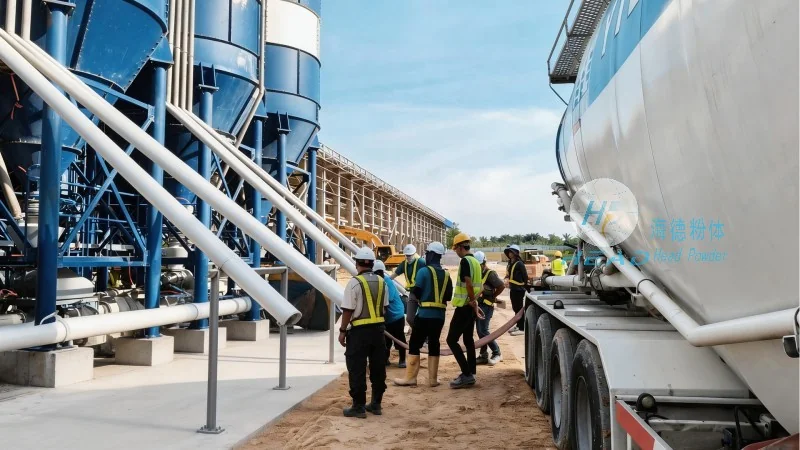
Understanding the Principle of Pneumatic Conveying Systems
Pneumatic conveying systems utilize air or gas to transport bulk materials from one location to another. Unlike traditional mechanical conveying methods, such as belt conveyors or screw conveyors, pneumatic systems offer flexibility and efficiency in handling a wide range of materials, including powders, granules, and fine particles. The core principle involves creating a pressure differential or using vacuum to move materials through a pipeline, with the material suspended in the air stream. This method is particularly effective for materials that are abrasive, dusty, or require minimal contact with equipment, making it ideal for applications in various industries.
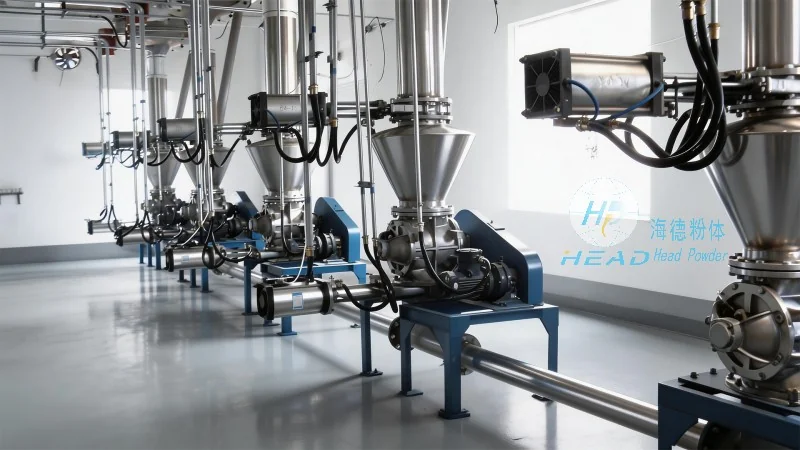
The Role of Glass Fiber in Pneumatic Conveying Systems
Glass fiber is a key component in the construction of pneumatic conveying systems, especially in the pipeline and ductwork. Its high tensile strength, chemical resistance, and thermal stability make it an excellent choice for withstanding the rigors of material handling. Glass fiber pipelines are lightweight yet durable, reducing installation costs and providing long-term reliability. Additionally, glass fiber materials are non-conductive and resistant to corrosion, ensuring safe and efficient operation in environments where other materials might fail. The use of glass fiber in these systems enhances the overall performance and longevity of the equipment, making it a preferred solution for industries that demand high-quality material transport solutions.
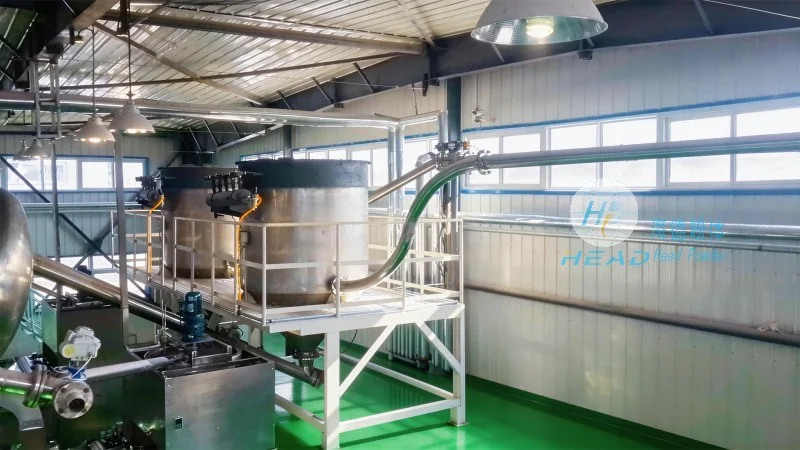
Working Scene Characteristics of Glass Fiber Pneumatic Conveying Systems
The working scene characteristics of glass fiber pneumatic conveying systems are tailored to meet the specific requirements of different industrial applications. These systems are designed to operate in various environments, from cleanroom facilities to heavy-duty industrial plants, ensuring versatility and adaptability. The key characteristics include high material throughput, low maintenance requirements, and the ability to handle materials with varying particle sizes and densities. For example, in the pharmaceutical industry, glass fiber systems are used to transport powders with high purity standards, as the material does not introduce contaminants or affect the quality of the product. In the chemical industry, the corrosion resistance of glass fiber allows for the handling of aggressive chemicals, ensuring system longevity and safety. The systems also offer flexibility in layout, allowing for complex piping configurations to accommodate different plant layouts and material flow paths.
Application Scenarios in Diverse Industries
Glass fiber pneumatic conveying systems are widely used across multiple industries, each with unique material handling challenges. In the food and beverage industry, these systems are employed to transport ingredients like flour, sugar, and spices, maintaining hygiene standards and preventing contamination. The glass fiber components are easy to clean and maintain, ensuring compliance with food safety regulations. In the mining and mineral processing sector, the systems are used to transport raw materials such as ores and powders, with the ability to handle abrasive and heavy materials without degradation. The high durability of glass fiber pipelines ensures that the system can withstand the harsh conditions of mining operations, reducing downtime and maintenance costs. Additionally, in the construction materials industry, glass fiber systems are used to transport cement, sand, and other aggregates, providing efficient and reliable material transport for building projects. The adaptability of these systems allows them to be integrated into existing production lines or new facilities, enhancing overall operational efficiency.
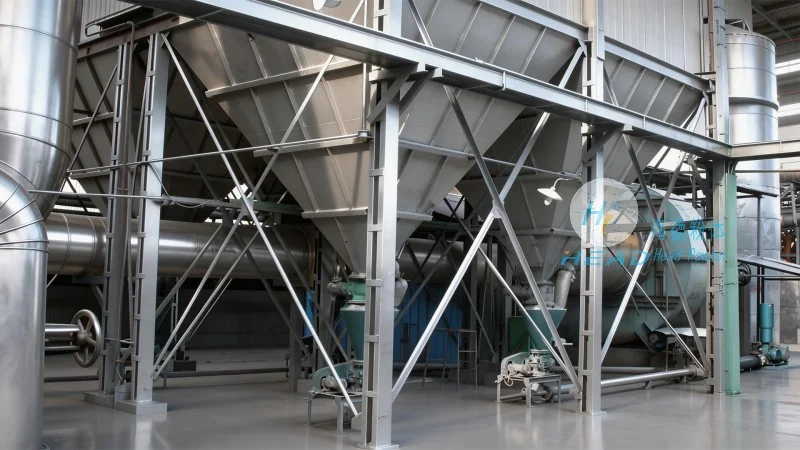
Advantages and Company Expertise
The combination of glass fiber technology and pneumatic conveying principles offers several advantages over traditional methods. These systems provide a clean and dust-free operation, reducing the risk of material contamination and improving workplace safety. The lightweight and flexible nature of glass fiber pipelines simplifies installation and reduces structural requirements, lowering overall project costs. Furthermore, the systems are energy-efficient, as they use air pressure to move materials, minimizing energy consumption compared to mechanical conveyors. Shandong HeadPowder Engineering Co., Ltd. leverages its expertise in material handling to design and manufacture customized glass fiber pneumatic conveying systems that meet the specific needs of each client. With a focus on quality and reliability, the company ensures that its products deliver long-term performance and customer satisfaction, making it a trusted partner in the industry.