

Principle and Working Scene Characteristics of Quartz Sand Particle Pneumatic Conveying Systems
Quartz sand particle pneumatic conveying systems are essential in various industrial applications, offering efficient and reliable methods for transporting quartz sand materials. This article explores the fundamental principles behind these systems and highlights key characteristics of their operational scenarios, providing insights into their practical applications and benefits.
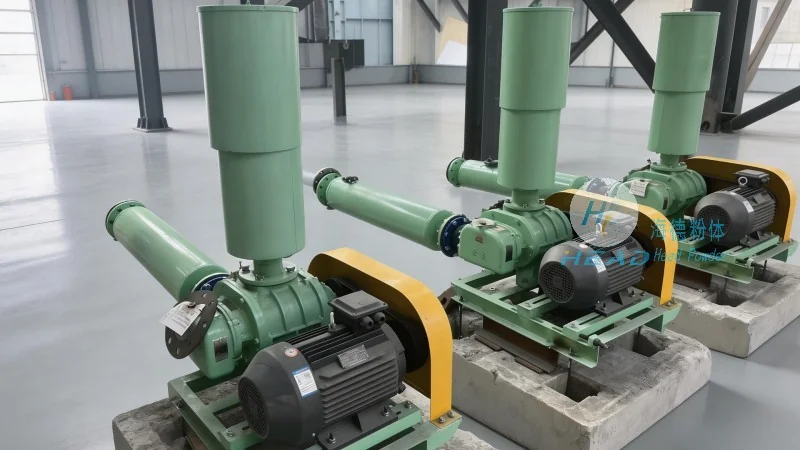
Introduction to Quartz Sand Particle Pneumatic Conveying Systems
Quartz sand, a widely used material in industries such as glass manufacturing, foundry, and construction, often requires specialized handling due to its particle size and density. Pneumatic conveying systems provide an effective solution by utilizing air flow to transport dry or fine-grained materials like quartz sand. These systems are designed to handle materials that are difficult to transport via traditional methods, such as bulk handling or mechanical conveyors. The technology behind pneumatic conveying involves the creation of a pressure differential or vacuum to move particles through a pipeline using compressed air or suction.
About HeadPowder: Shandong HeadPowder Engineering Co., Ltd.
HeadPowder, or Shandong HeadPowder Engineering Co., Ltd., is a leading provider of advanced material handling solutions. With headquarters located in Shandong, China, the company specializes in designing, manufacturing, and installing pneumatic conveying systems tailored to the needs of various industries. HeadPowder's expertise lies in optimizing material transport processes, ensuring high efficiency, low maintenance, and durability in demanding operational environments. The company's commitment to quality and innovation has made it a trusted partner for businesses seeking reliable solutions for quartz sand and other bulk material handling challenges.
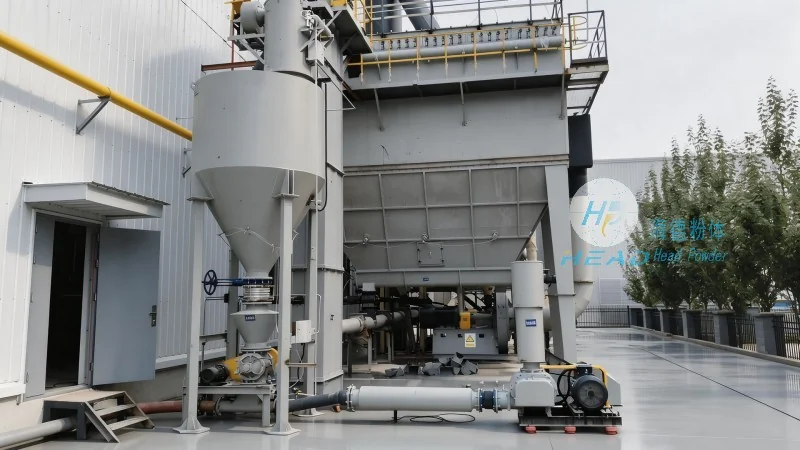
The Working Principle of Quartz Sand Particle Pneumatic Conveying
The core principle of quartz sand particle pneumatic conveying is the use of air as the conveying medium. In a typical system, quartz sand particles are introduced into a hopper or feeder, where they are then drawn into a pipeline by a fan or blower. The air flow, either under pressure (positive pressure system) or vacuum (negative pressure system), propels the particles through the pipeline to the destination. The system's design considers factors such as particle size, density, and moisture content to ensure optimal performance. For quartz sand, which typically has a relatively high density and fine particle size, specialized equipment like rotary valves, airlocks, and cyclone separators may be employed to maintain consistent flow and prevent blockages. The principle of air flow and particle interaction ensures that the material is transported efficiently without degradation or loss.
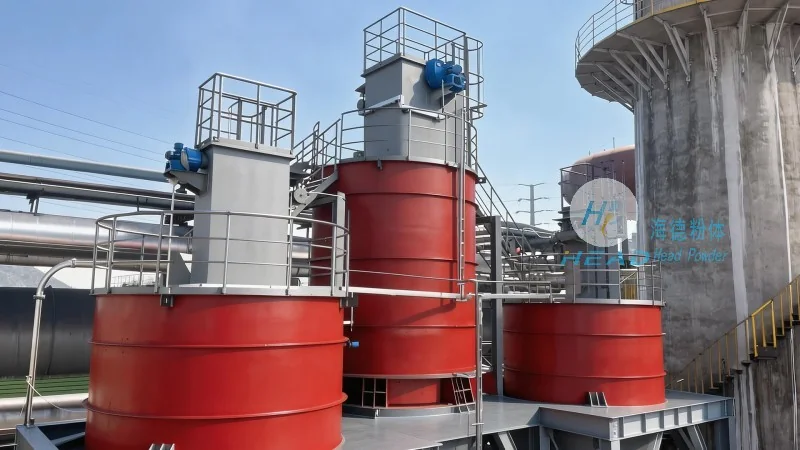
Key Characteristics of Working Scenarios for Quartz Sand Pneumatic Conveying
The operational scenarios for quartz sand particle pneumatic conveying systems vary based on the specific industry and application requirements. In glass manufacturing, for example, the system may be used to transport quartz sand from storage silos to the melting furnace, where precise control over particle size and flow is critical to the quality of the final product. In foundry applications, the system can handle quartz sand used in sand molds, ensuring uniform distribution and reducing the risk of defects. Construction and mining industries also utilize these systems for transporting quartz sand used in concrete production or as a raw material in mining operations. The working scenarios are characterized by high throughput requirements, often involving large volumes of material over extended periods. Additionally, the systems must be designed to handle potential variations in material properties, such as changes in moisture content or particle size distribution, to maintain consistent performance. The characteristics of these scenarios highlight the importance of robust system design and reliable components to ensure continuous operation and minimize downtime.
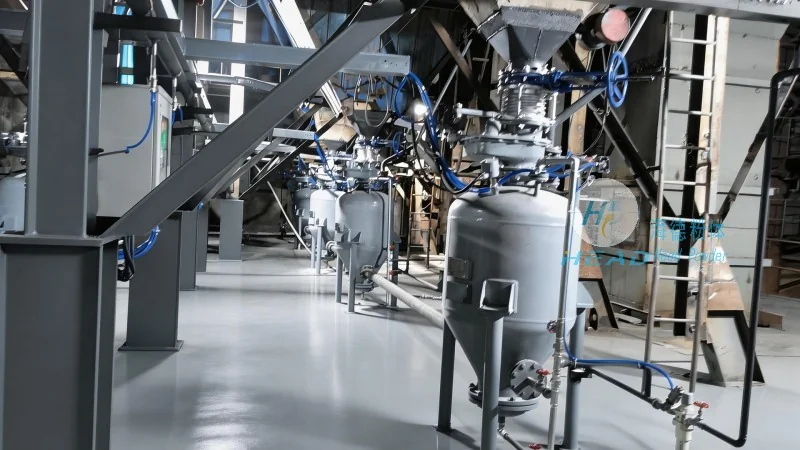
Advantages and Considerations in Quartz Sand Pneumatic Conveying
Quartz sand particle pneumatic conveying systems offer several advantages over traditional handling methods. These include the ability to transport materials over long distances without the need for intermediate storage or transfer points, reducing the risk of contamination and material loss. The systems are also relatively compact, allowing for installation in limited space, and can be integrated with existing production lines. However, there are considerations to keep in mind, such as the need for proper air filtration to prevent dust accumulation and the potential for pressure drop in long pipelines, which may require additional booster fans. The choice between positive and negative pressure systems depends on the specific application, with positive pressure systems being more suitable for long-distance transport and negative pressure systems for handling dusty or hazardous materials. Overall, the advantages of pneumatic conveying make it a preferred solution for many quartz sand handling applications, particularly in industries where efficiency and material integrity are paramount.
Conclusion
Quartz sand particle pneumatic conveying systems represent a sophisticated and efficient method for handling quartz sand in various industrial settings. By understanding the principles of air flow and particle transport, and considering the specific characteristics of working scenarios, industries can optimize their material handling processes. HeadPowder, with its expertise in designing and implementing such systems, provides reliable solutions tailored to the needs of businesses. The continued development of pneumatic conveying technology ensures that quartz sand transport will remain a critical and effective component of industrial operations, supporting the production of high-quality products in sectors like glass, foundry, and construction.