

Working Principle and Features of Chromic Oxide Material Pneumatic Conveying Systems
Shandong HeadPowder Engineering Co., Ltd., commonly known as headpowder, is a professional manufacturer specializing in the design, development, and supply of advanced material handling systems. Based in Shandong, China, the company has established itself as a leading provider of pneumatic conveying solutions for various industrial applications, including the handling of chromic oxide materials. This article delves into the working principle and key features of chromic oxide material pneumatic conveying systems, highlighting how these systems efficiently and safely transport this specific material.
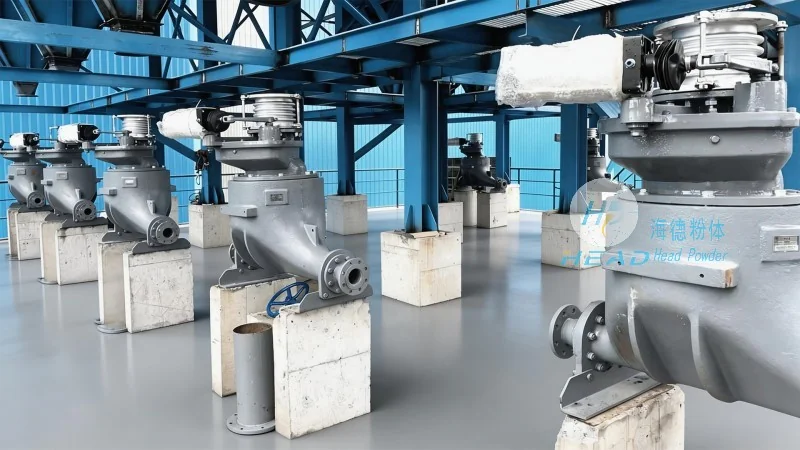
Introduction to Chromic Oxide Material Pneumatic Conveying Systems
Chromic oxide, a key industrial chemical with applications in pigments, ceramics, and metal processing, requires specialized handling due to its properties. Pneumatic conveying systems offer an effective solution for transporting chromic oxide, as they eliminate the need for mechanical components that could cause contamination or damage to the material. These systems are designed to handle the unique characteristics of chromic oxide, such as its fine particle size, abrasive nature, and potential reactivity, ensuring reliable and efficient material transport.
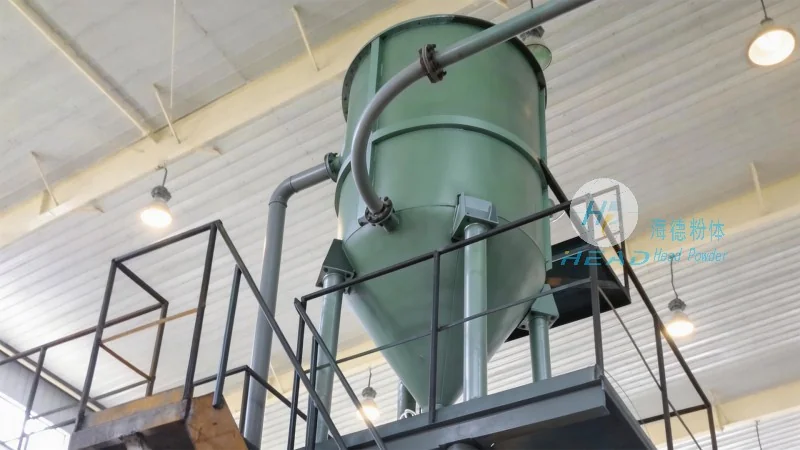
Working Principle of Chromic Oxide Material Pneumatic Conveying Systems
The core of a chromic oxide material pneumatic conveying system lies in its ability to use air or gas to move material through a pipeline. The system typically operates on one of two principles: suction (or vacuum) conveying or pressure conveying. In suction conveying, a vacuum is created at the material source to draw the chromic oxide particles into the pipeline, where they are carried by the airflow to the destination. This method is ideal for applications where the material needs to be transported from a lower elevation or over short distances. Pressure conveying, on the other hand, uses compressed air to push the material through the pipeline. This approach is suitable for longer distances or when the material must be elevated to a higher level. The system includes key components such as a material feeder, a conveying line, a separator, and a receiver. The material feeder ensures a consistent flow of chromic oxide into the system, while the conveying line transports the material. The separator removes excess air and any entrained particles, and the receiver collects the material at the end of the line. The design of these components is critical to the system's efficiency, as they must be tailored to the specific properties of chromic oxide, including its particle size distribution, density, and flow characteristics.
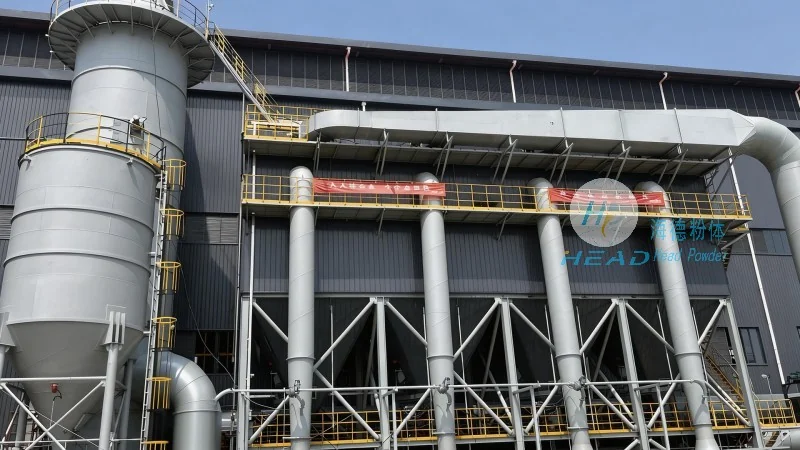
Key Features and Advantages of Chromic Oxide Material Pneumatic Conveying Systems
Chromic oxide material pneumatic conveying systems offer several advantages that make them a preferred choice for industrial applications. One of the primary benefits is the elimination of mechanical wear and tear, as there are no moving parts in direct contact with the material. This reduces maintenance costs and extends the system's lifespan. Additionally, pneumatic conveying systems provide a high degree of safety, as they prevent dust explosions and minimize the risk of material contamination. The systems are also highly flexible, allowing for easy integration into existing production lines and adaptation to changing process requirements. Another significant feature is the ability to handle fine particles and powders without clogging, which is crucial for chromic oxide due to its fine particle size. The systems can also be designed to operate under different pressure conditions, making them suitable for various industrial environments. Furthermore, the use of air as the conveying medium allows for a clean and hygienic process, which is essential for applications where product purity is critical. The efficiency of these systems is also notable, as they can transport large volumes of material over long distances with minimal energy consumption compared to traditional methods like belt conveyors or bucket elevators.
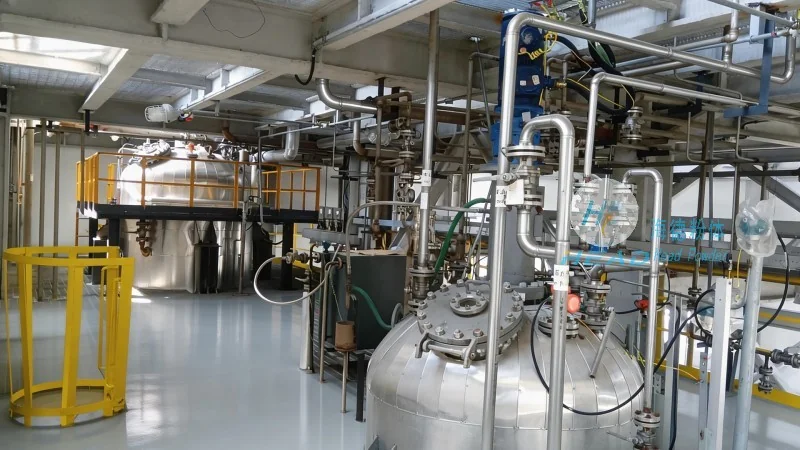
Conclusion and Company Expertise
Shandong HeadPowder Engineering Co., Ltd. leverages its expertise in material handling technology to provide customized chromic oxide material pneumatic conveying systems that meet the specific needs of its clients. By understanding the unique properties of chromic oxide and the requirements of industrial applications, the company designs systems that are efficient, reliable, and safe. The working principle and features of these systems ensure that chromic oxide is transported with minimal loss, contamination, or degradation, maintaining product quality throughout the process. With a strong commitment to quality and innovation, headpowder continues to be a trusted partner for industries relying on chromic oxide and other fine materials.