

Working Principle and Features of Pneumatic Conveying Systems for Metal Powder Materials
When it comes to efficiently transporting metal powder materials, pneumatic conveying systems offer a reliable and effective solution. These systems are widely used in various industrial applications due to their ability to handle fine powders with precision and minimal loss. In this article, we will explore the working principle and key features of such systems, providing insights into how they operate and why they are preferred in the industry.
Understanding the Working Principle of Pneumatic Conveying Systems
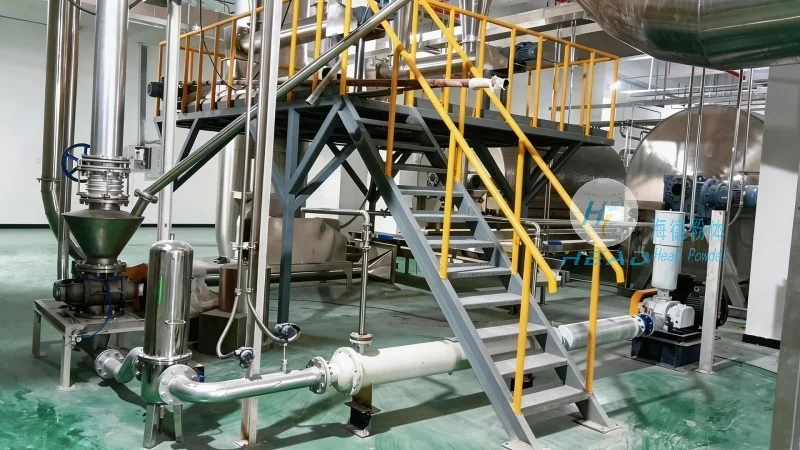
The core of a pneumatic conveying system lies in its mechanism of transporting material through a pressurized or vacuum environment. The system typically consists of a hopper, a conveyor line, and a receiver. The metal powder is fed into the hopper, where it is then drawn or pushed into the conveyor line by the movement of air. This air, often referred to as the conveying medium, can be either under pressure (positive pressure system) or in a vacuum (negative pressure system). The choice between these two depends on the specific requirements of the material and the application.
In a positive pressure system, air is blown into the conveyor line, creating a pressure that pushes the metal powder forward. This method is suitable for long-distance transport and can handle a wide range of particle sizes. Conversely, a negative pressure system uses a vacuum to draw the material into the line, which is ideal for applications where dust control is critical and the material needs to be handled in a closed environment. The system ensures that the metal powder moves smoothly from the source to the destination without the need for mechanical components like belts or buckets, reducing the risk of contamination and material degradation.
Key Features of Pneumatic Conveying Systems for Metal Powder Materials
Several distinct features make pneumatic conveying systems particularly advantageous for metal powder applications. First, the systems provide excellent control over the flow rate and pressure, allowing for precise dosing and consistent material delivery. This is crucial in processes where the quality and quantity of the metal powder directly impact the final product. Second, the enclosed design of these systems minimizes dust emissions, ensuring a safer working environment and compliance with environmental regulations. Unlike open systems, the metal powder remains contained within the conveyor line, preventing airborne particles from spreading into the workspace.
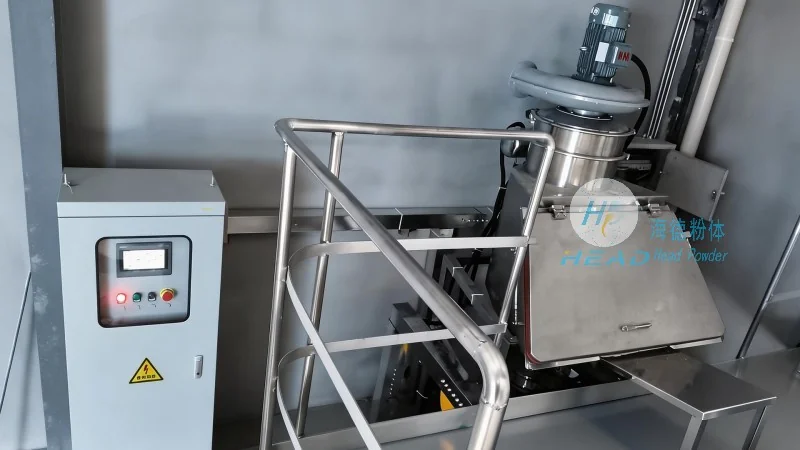
Another significant feature is the ability to handle a variety of metal powders, including those with different particle sizes, densities, and flow characteristics. The flexibility of the system allows it to adapt to diverse material types, making it a versatile solution for various industrial needs. Additionally, the systems are designed for easy maintenance and cleaning, which is essential for maintaining product quality and preventing cross-contamination. The components are often made of materials that are resistant to corrosion and wear, ensuring long-term durability and operational efficiency.
Benefits and Applications in Industrial Settings
The adoption of pneumatic conveying systems for metal powder materials brings numerous benefits to industrial operations. One of the primary advantages is the reduction in labor costs and operational time, as the system automates the material handling process. This automation also minimizes human error, leading to more consistent and reliable production outcomes. Furthermore, the systems contribute to improved safety in the workplace by reducing the exposure of workers to fine metal powders, which can be hazardous if inhaled.
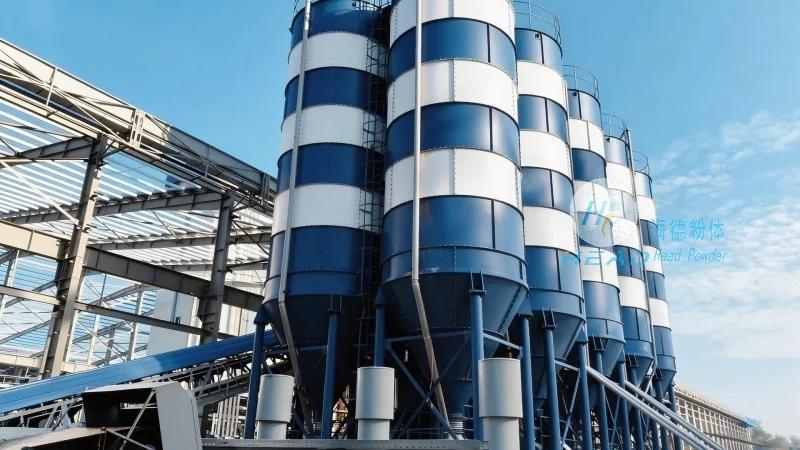
These systems are widely used in industries such as metallurgy, pharmaceuticals, and food processing. In metallurgy, they are employed to transport metal powders for powder metallurgy processes, where the quality of the powder directly affects the properties of the final metal products. In pharmaceuticals, the enclosed and dust-free nature of the system ensures that the metal powders are handled in a sterile environment, meeting stringent quality standards. Similarly, in food processing, the systems maintain hygiene and prevent contamination, making them suitable for handling metal powders used as additives or in packaging materials.
Conclusion and Company Overview
Pneumatic conveying systems represent a sophisticated and efficient method for transporting metal powder materials. Their working principle, based on the movement of air, provides a reliable and flexible solution that caters to the specific needs of various industrial applications. The key features, including precise control, enclosed design, and adaptability, make these systems a preferred choice for industries that demand high standards of quality, safety, and efficiency.
Shandong HeadPowder Engineering Co., Ltd., a leading manufacturer in this field, specializes in designing and supplying advanced pneumatic conveying systems tailored to the requirements of metal powder handling. With a focus on innovation and quality, the company ensures that its products meet the highest industry standards, providing customers with reliable and durable solutions for their material handling needs. Based in China, the company leverages its expertise and local resources to deliver exceptional products that enhance operational efficiency and safety in industrial settings.