

Working Principle and Characteristics of Hydroxide Aluminum Material Pneumatic Conveying
Hydroxide aluminum, a widely used industrial material, often requires efficient and reliable transportation methods for various processing stages. Pneumatic conveying stands out as a sophisticated solution for handling hydroxide aluminum, offering advantages in terms of safety, cleanliness, and operational flexibility. This article delves into the working principle and key characteristics of pneumatic conveying systems specifically designed for hydroxide aluminum materials, highlighting how such systems enhance material handling efficiency and process integration.

Understanding the Working Principle of Hydroxide Aluminum Pneumatic Conveying
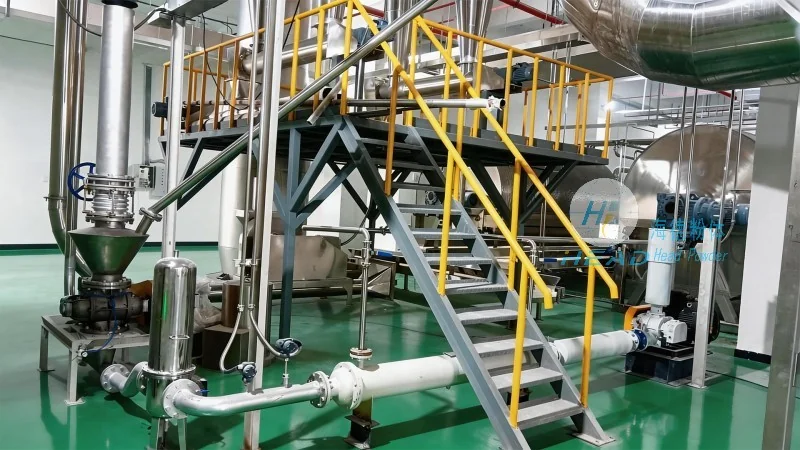
The core of hydroxide aluminum pneumatic conveying lies in the use of air or gas as the conveying medium to transport the material. The process typically involves a series of components working in concert to ensure smooth material movement. At the heart of the system is a feeding mechanism, which introduces the hydroxide aluminum into the conveying line. This is often achieved through a rotary valve or a feeder that controls the flow rate and consistency of the material feed. Once the material is introduced, a high-pressure air or gas stream is generated, creating a pressure differential that propels the material forward. The conveying line, usually made of durable materials like stainless steel or specialized polymers, ensures the material is transported without degradation or contamination. The system may include components such as a separator, which separates the material from the air stream at the discharge point, and a filter to capture any fine particles that might escape, maintaining air quality and preventing material loss. The entire process is controlled by a sophisticated system that monitors pressure, flow rates, and material levels, ensuring optimal performance and preventing system failures.
Key Characteristics of Hydroxide Aluminum Pneumatic Conveying Systems
Several distinct characteristics define the effectiveness of pneumatic conveying systems for hydroxide aluminum. Firstly, the system offers a high degree of safety by eliminating the need for manual handling of potentially dusty or hazardous materials. The enclosed nature of the conveying line prevents dust dispersion into the environment, reducing health risks and compliance issues. Secondly, pneumatic conveying provides excellent material protection. The material remains within the conveying line, shielded from external contaminants and physical damage, which is crucial for hydroxide aluminum, which can be sensitive to moisture or mechanical stress. Thirdly, the system offers flexibility in terms of layout and integration. Pneumatic conveying can be adapted to various plant configurations, allowing for horizontal, vertical, or complex path layouts, making it suitable for diverse industrial applications. Additionally, the system can handle a wide range of material flow rates, from low to high, and can be easily scaled to meet changing production demands. The energy efficiency of modern pneumatic conveying systems is another notable characteristic, with advancements in technology leading to reduced air consumption and lower operational costs. Furthermore, the system's ability to integrate with other process equipment, such as mixers, dryers, or packaging units, enhances overall process efficiency and reduces downtime.
Application Considerations for Hydroxide Aluminum Pneumatic Conveying
When implementing a pneumatic conveying system for hydroxide aluminum, several factors must be considered to ensure optimal performance. The first is the material's physical properties, such as particle size, density, and moisture content. These characteristics influence the choice of conveying velocity and system design. For example, fine hydroxide aluminum particles may require higher air velocities to prevent clogging, while larger particles can be handled with lower velocities. The system's design must also account for the material's flowability, as poor flowability can lead to blockages and system inefficiencies. Another critical consideration is the system's capacity and scalability. The conveying system should be able to handle the expected production volume, with provisions for future expansion if needed. Additionally, the environmental and regulatory aspects must be addressed, as the system must comply with local air quality standards and occupational health regulations. The choice of materials for the conveying line and components is also important, as hydroxide aluminum can be abrasive and corrosive, requiring durable materials like stainless steel or specialized coatings to ensure long-term system reliability.
Conclusion: The Advantages of Pneumatic Conveying for Hydroxide Aluminum
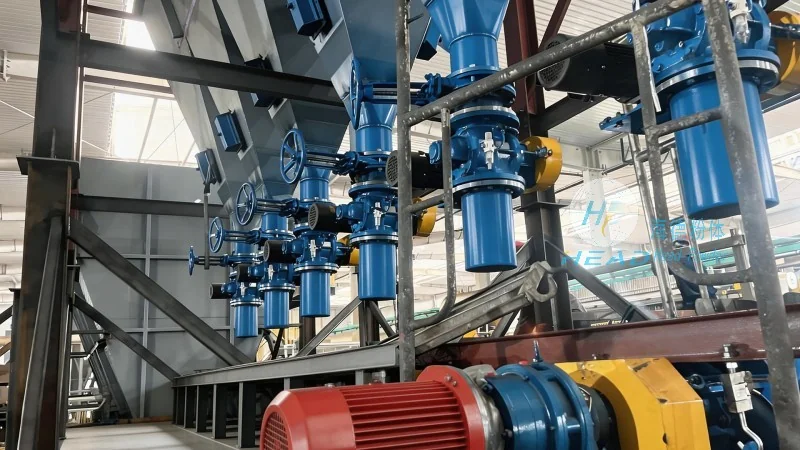
In conclusion, pneumatic conveying systems offer a robust and efficient solution for handling hydroxide aluminum materials. The working principle, which relies on air or gas to transport the material, provides a safe, clean, and flexible method of material handling. The key characteristics of such systems, including safety, material protection, flexibility, and energy efficiency, make them an ideal choice for various industrial applications. By understanding the working principle and key characteristics, as well as considering the relevant application factors, industries can optimize their material handling processes, enhance productivity, and ensure compliance with environmental and safety standards. As a leading provider in this field, Shandong HeadPowder Engineering Co., Ltd. specializes in designing and manufacturing high-quality pneumatic conveying systems tailored to the specific needs of hydroxide aluminum processing, ensuring reliable and efficient material transportation for their clients.