

[WTTLE]Working Principle and Characteristics of Air-Driven Pneumatic Conveying for Foam Particulate
HeadPowder, a leading engineering company based in Shandong, China, specializes in advanced material handling solutions, including air-driven pneumatic conveying systems for foam particulate materials. This article explores the fundamental working principle and key characteristics of such systems, providing a comprehensive overview for industry professionals and potential clients.
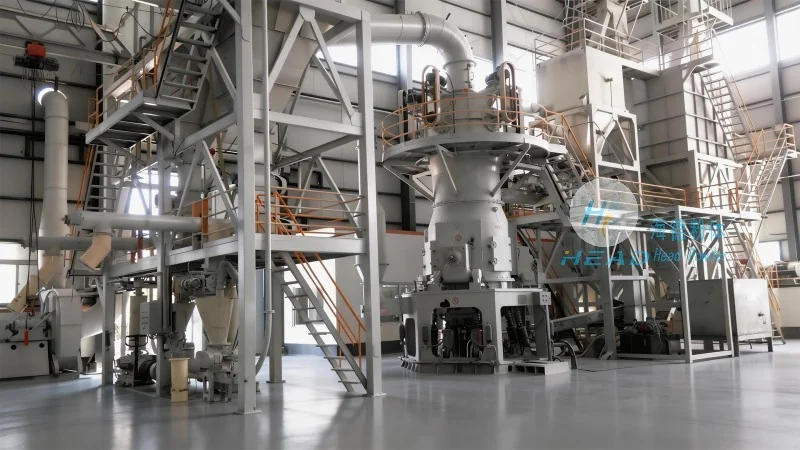
Introduction to Air-Driven Pneumatic Conveying for Foam Particulates
Air-driven pneumatic conveying is a critical technology in material handling, particularly for foam particulate materials. These materials, characterized by their lightweight and porous structure, require specialized systems to ensure efficient and reliable transport. The technology involves the use of compressed air to move particles through a pipeline, offering advantages over traditional mechanical conveying methods. HeadPowder's expertise in this field enables the design and implementation of systems tailored to the unique properties of foam materials, ensuring optimal performance and minimal material degradation.
The Working Principle of Air-Driven Pneumatic Conveying
The core mechanism of air-driven pneumatic conveying for foam particulates relies on the interaction between compressed air and the material particles. The process typically begins with the introduction of foam particles into a hopper or feeder, where they are drawn into a pipeline by the force of moving air. The compressed air, often supplied by a blower or compressor, creates a pressure differential that propels the particles forward. As the particles travel through the pipeline, they are suspended and transported in a stream of air, maintaining a consistent flow rate. The system may include components such as in-line mixers, filters, and pressure regulators to optimize the conveying process and prevent blockages or material loss. HeadPowder's engineering team designs these systems with precision, ensuring that the air velocity and pressure are precisely controlled to match the specific characteristics of the foam material, such as particle size, density, and moisture content.
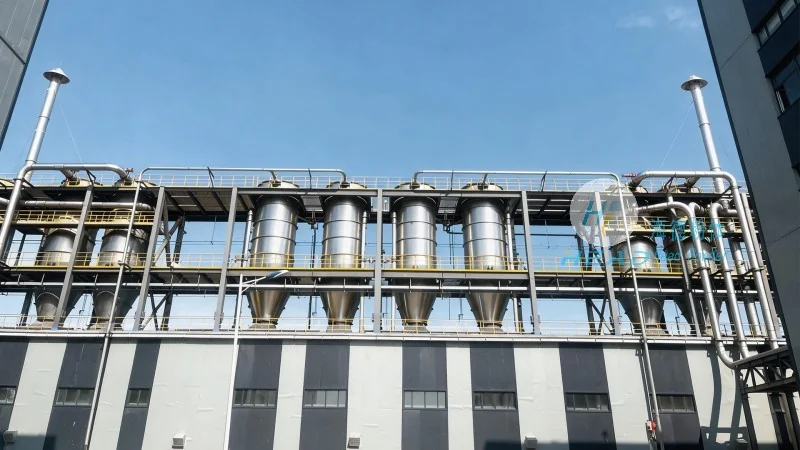
Key Characteristics of Air-Driven Pneumatic Conveying Systems
Several distinct characteristics define air-driven pneumatic conveying systems for foam particulates, making them suitable for a wide range of industrial applications. First, the system offers a high degree of flexibility in terms of layout and integration. Unlike mechanical systems that require fixed pipelines and equipment, pneumatic conveying can be adapted to various plant configurations, allowing for easy expansion or reconfiguration. Second, the technology provides excellent material handling capabilities, particularly for delicate or fragile foam materials. The air flow minimizes impact and abrasion, reducing the risk of particle breakage or degradation. Third, the system is highly efficient in terms of energy consumption and operational costs. By using compressed air as the primary motive force, the system eliminates the need for mechanical components like belts or chains, resulting in lower maintenance requirements and longer service life. Additionally, the ability to handle a wide range of particle sizes and shapes makes the system versatile for different foam products. HeadPowder's systems are engineered to maximize these advantages, ensuring reliable and cost-effective operation for clients in industries such as packaging, construction, and manufacturing.
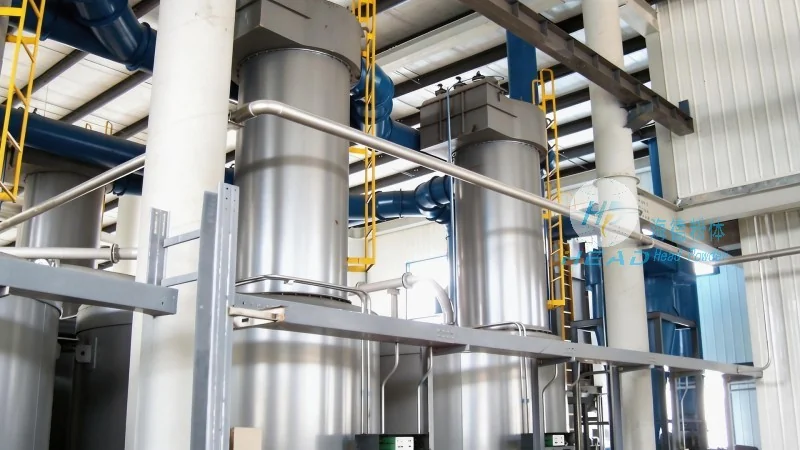
Applications and Benefits in Industrial Settings
The applications of air-driven pneumatic conveying for foam particulates are diverse and impactful across various industries. In the packaging sector, these systems are used to transport foam packaging materials, such as expanded polystyrene (EPS) or polyethylene (PE) foams, from production lines to storage or shipping areas. The efficient conveying reduces labor costs and improves production throughput. In the construction industry, foam insulation materials are commonly handled using pneumatic systems, enabling quick and safe transport of large quantities of material to job sites. The benefits extend to manufacturing processes where foam components are integrated into final products, such as automotive parts or consumer goods. HeadPowder's systems are designed to meet the specific demands of these applications, providing consistent performance and reliability. The benefits of using air-driven conveying include reduced material waste, improved safety by eliminating manual handling, and enhanced productivity through automated material transport. These advantages make the technology a preferred choice for industries seeking to optimize their material handling processes.
Conclusion and Company Expertise
HeadPowder Engineering Co., Ltd., based in Shandong, China, is a trusted provider of air-driven pneumatic conveying solutions for foam particulate materials. The company's expertise lies in understanding the unique properties of foam materials and designing systems that leverage the advantages of pneumatic transport. By focusing on the working principle and key characteristics of these systems, HeadPowder ensures that clients receive tailored solutions that meet their operational needs. The company's commitment to quality, efficiency, and reliability has established it as a leader in the material handling industry, serving clients with a wide range of foam products. As industries continue to seek innovative solutions for material transport, HeadPowder remains at the forefront, providing advanced engineering and technology to enhance productivity and operational efficiency.