

Working Principle and Characteristics of Pneumatic Conveying for Glass Fiber Materials
Understanding the working principle and characteristics of pneumatic conveying systems is crucial for industries dealing with glass fiber materials. Pneumatic conveying is a method that uses air or gas to transport bulk materials through a pipeline system. This technology is widely used in the processing and handling of glass fiber, offering efficient and reliable solutions for material movement. The following sections will delve into the fundamental working principle and key characteristics of pneumatic conveying for glass fiber materials, providing insights into its operational mechanics and practical advantages.
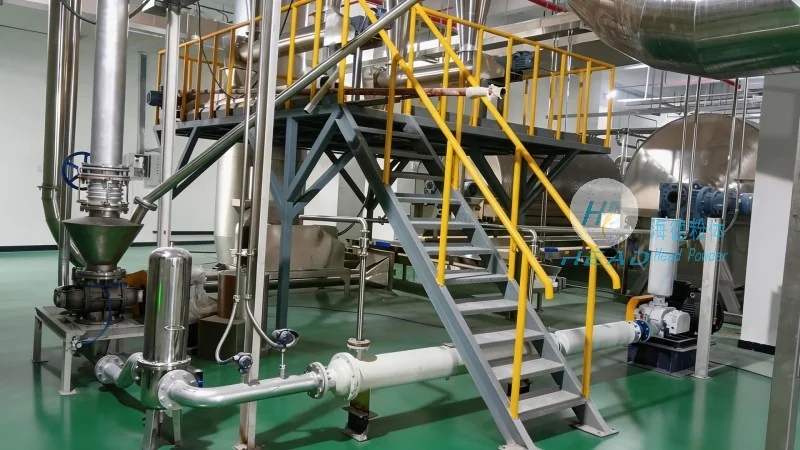
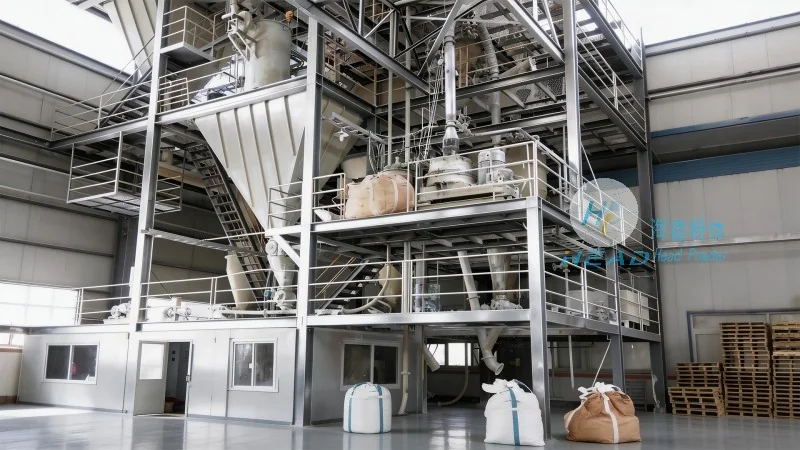
The Working Principle of Pneumatic Conveying Systems
Pneumatic conveying systems operate based on the principle of transporting materials by suspending them in a stream of air or gas. The process typically involves several key components: a material feed hopper, a conveyor pipeline, a fan or blower to generate the air flow, and a discharge point. In the case of glass fiber materials, the system is designed to handle the specific properties of these fibers, such as their lightweight, abrasive nature, and tendency to form dust or agglomerates. The working principle can be categorized into two main types: pressure and vacuum systems.

In a pressure system, air is supplied under pressure from a blower at the discharge end of the pipeline. The material is fed into the system and is carried by the high-pressure air stream through the pipeline to the receiving hopper. This method is suitable for short to medium distance conveying and is effective for handling fine or powdery glass fiber materials. The pressure system ensures that the material is continuously moved without the need for additional mechanical components, making it a simple yet efficient solution.
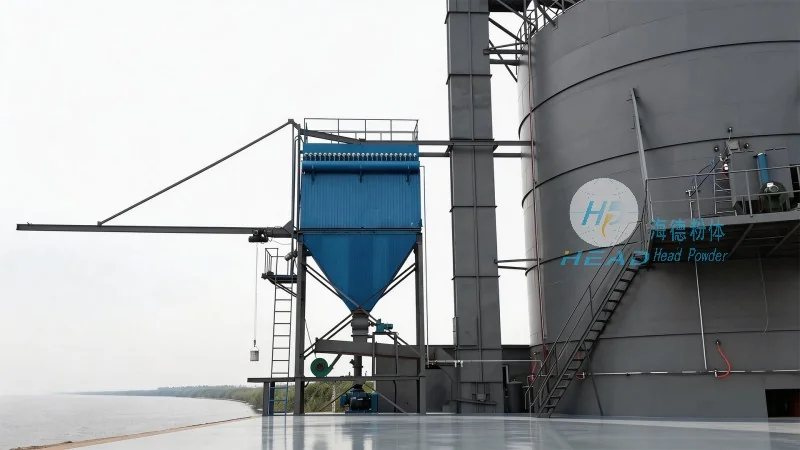
Vacuum systems, on the other hand, use a fan or vacuum pump to create a negative pressure at the receiving end of the pipeline. The material is drawn into the system from the feed point and is transported to the discharge point by the vacuum-induced air flow. This type of system is ideal for longer distances and for handling materials that are more prone to dust generation or require a more controlled environment. The vacuum system allows for the collection of fine glass fiber particles and can be integrated with dust collection systems to maintain air quality.