

Working Principle and Characteristics of Pneumatic Conveying for Alumina Crystal Materials
HeadPowder, a leading provider in the field of material handling solutions, specializes in advanced pneumatic conveying systems tailored for the transportation of alumina crystal materials. With a strong presence in Shandong, China, the company leverages decades of expertise to deliver efficient and reliable systems that meet the stringent demands of industrial applications.
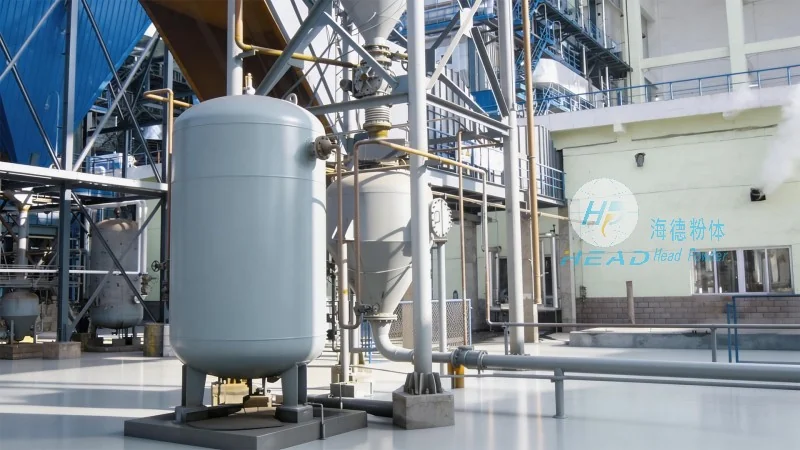
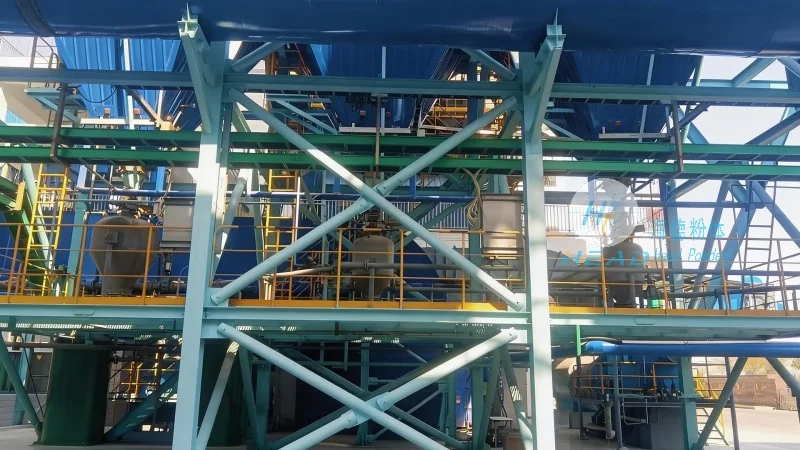
Working Principle of Pneumatic Conveying for Alumina Crystals
The pneumatic conveying system for alumina crystal materials operates on the principle of transporting solid particles through a pipeline using a gas stream, typically air or a combination of air and other gases. In this process, the alumina crystals are introduced into a hopper or feeder, where they are fed into the conveying line under controlled conditions. A fan or blower generates the necessary airflow, creating a pressure differential that propels the material through the pipeline. The system can be categorized into two main types: dilute phase and dense phase, each with distinct characteristics suited to different material properties and application requirements. Dilute phase systems use higher velocities and lower particle concentrations, while dense phase systems employ lower velocities and higher particle concentrations to ensure stable and efficient transport. The conveying process involves several key components, including the hopper, feeder, pipeline, and receiver, all working in tandem to ensure smooth material flow. The control system monitors and adjusts the airflow and pressure to maintain optimal conveying conditions, preventing issues such as blockages or material degradation. This method offers a continuous, dust-free, and energy-efficient solution for moving alumina crystals, reducing the need for traditional bulk handling methods like trucks or conveyor belts.
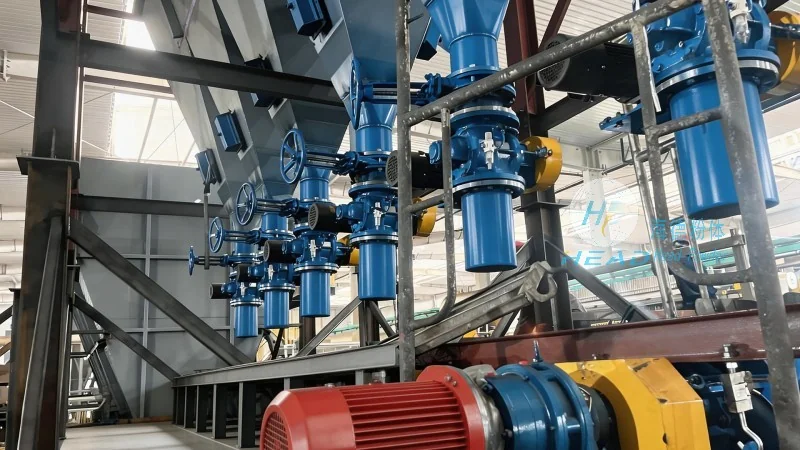
Key Characteristics and Advantages of the System
HeadPowder's pneumatic conveying system for alumina crystals exhibits several notable characteristics that enhance its performance and suitability for industrial use. One of the primary advantages is its ability to handle abrasive and fragile materials without causing damage, which is crucial for maintaining the quality of alumina crystals. The system is designed to minimize material degradation, ensuring that the crystals retain their physical properties and performance characteristics. Additionally, the pneumatic conveying method provides a dust-free environment, which is essential for maintaining air quality and safety in industrial settings. This reduces the risk of respiratory issues and other health hazards associated with handling fine powders. Another key characteristic is the system's flexibility in terms of layout and integration with existing facilities. The modular design allows for easy installation and customization to fit specific plant layouts, making it adaptable to various production environments. The system also offers high throughput capabilities, enabling efficient material transport even for large volumes of alumina crystals. Furthermore, the energy efficiency of the pneumatic conveying system contributes to lower operational costs compared to traditional methods. The use of compressed air as the conveying medium is more cost-effective and environmentally friendly, as it reduces reliance on mechanical components and minimizes energy consumption. The system's reliability is another significant characteristic, with advanced control systems and robust components ensuring consistent performance and minimal downtime. This reliability is critical for maintaining production schedules and meeting customer demands in industrial operations.
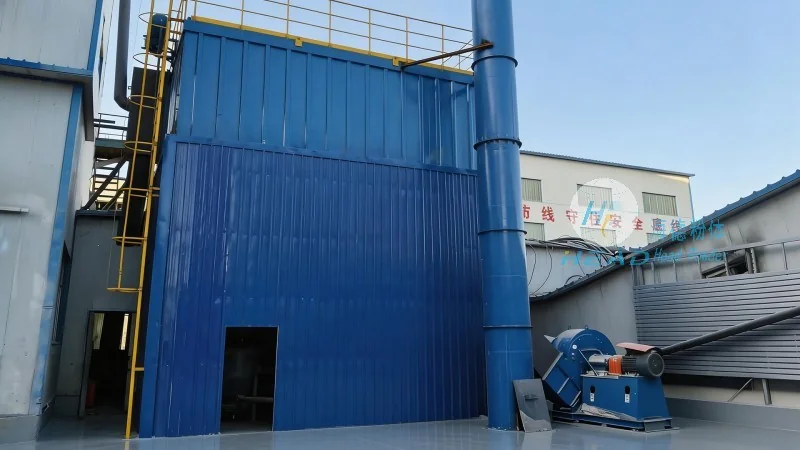
Technical Specifications and Performance Metrics
The pneumatic conveying system for alumina crystals from HeadPowder is engineered to meet specific technical specifications that ensure optimal performance. The system's capacity can range from low to high volumes, depending on the application requirements. The conveying velocity is typically adjusted based on the material's particle size and density, with higher velocities used for finer particles and lower velocities for larger particles. The pressure differential in the system is carefully controlled to maintain a stable flow rate, preventing fluctuations that could lead to material blockages or system failures. The system's efficiency is measured by factors such as the conveying distance, material throughput, and energy consumption per unit of material. HeadPowder's systems are designed to achieve high efficiency, with minimal energy loss and maximum material transport. The use of high-quality components, such as durable pipelines and efficient fans, contributes to the system's long-term performance and reliability. Additionally, the system's design allows for easy maintenance and replacement of parts, reducing downtime and increasing operational uptime. The technical specifications are tailored to the specific needs of each client, ensuring that the system is optimized for their production processes and material handling requirements.