

Working Principle and Characteristics of Bulk Powder Pneumatic Conveying from Hoppers
Shandong HeadPowder Engineering Co., Ltd., a leading manufacturer in the field of bulk material handling, specializes in the design and implementation of advanced pneumatic conveying systems integrated with hoppers. With a focus on innovation and customer satisfaction, the company has developed solutions tailored to meet the diverse needs of industries such as pharmaceuticals, food processing, and chemical manufacturing. The following article explores the working principle and key characteristics of these systems, highlighting their efficiency and adaptability.
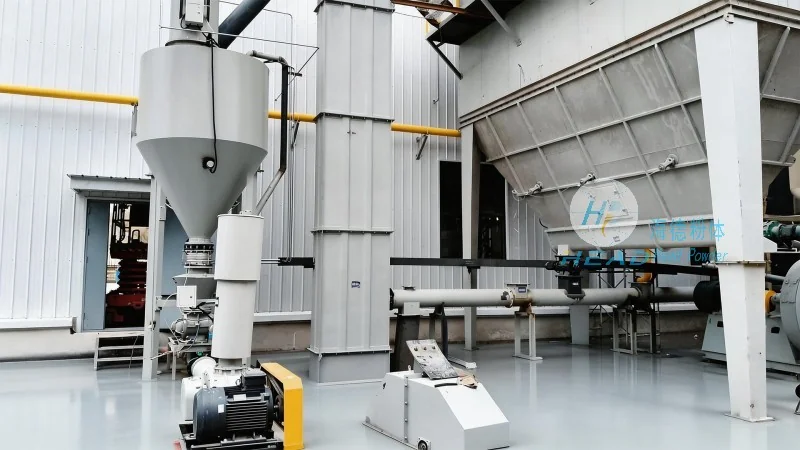
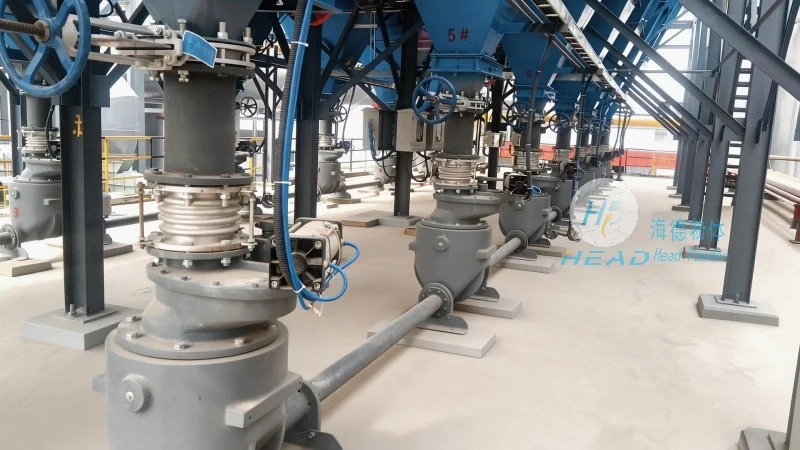
Working Principle of Bulk Powder Pneumatic Conveying from Hoppers
Bulk powder pneumatic conveying systems integrated with hoppers operate on the principle of transporting particulate materials using a pressurized air stream. The process begins with the powder stored in a hopper, which acts as the primary storage and feeding unit. The system initiates conveying by generating a flow of air through a blower or compressor, creating a pressure differential that lifts and transports the powder particles. The air stream, typically introduced at the hopper's outlet, entrains the powder and carries it through the pipeline to the destination point. This method eliminates the need for mechanical components like conveyor belts or screw conveyors, reducing friction and wear while maintaining a clean, dust-free transfer process. The hopper's design, often equipped with a discharge valve or gate, controls the flow rate of material into the conveying line, ensuring consistent and controlled transport. The pipeline, constructed from materials resistant to corrosion and abrasion (such as stainless steel or plastic), is designed with appropriate bends and straight sections to minimize pressure loss and maintain the air-powder mixture's stability.
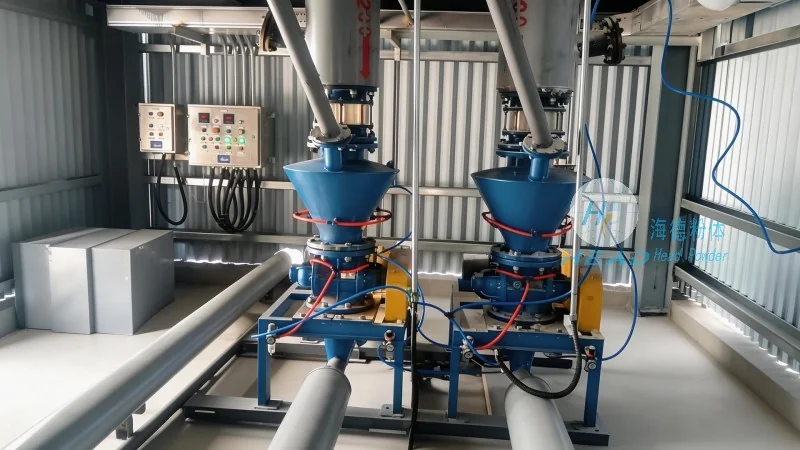
Key Characteristics of Hopper-Based Pneumatic Conveying Systems
Systems designed for hoppers exhibit several distinct characteristics that enhance their performance and adaptability to diverse industrial needs. The integration with hoppers enables seamless material handling from bulk storage to processing lines, eliminating the need for intermediate storage or manual loading. The positive pressure design, which uses a blower to push air and material through the system, is ideal for long-distance or high-temperature applications, as it prevents dust leakage and maintains a controlled environment. This design is particularly beneficial in industries like food processing, where maintaining product purity is paramount. Conversely, negative pressure systems use a vacuum to draw material from the hopper, which is suitable for applications requiring minimal dust generation at the source, such as pharmaceutical manufacturing. Another key characteristic is the system's ability to handle a wide range of powder types, including fine powders, granules, and even sticky or abrasive materials. This adaptability is achieved through adjustable air velocity and pressure settings, which can be optimized for different material properties. The system's enclosed nature also contributes to its efficiency, as it reduces material loss and contamination, making it suitable for high-purity applications. Furthermore, the modular design of these systems allows for easy expansion or integration with existing production lines, providing flexibility for growing industrial operations.
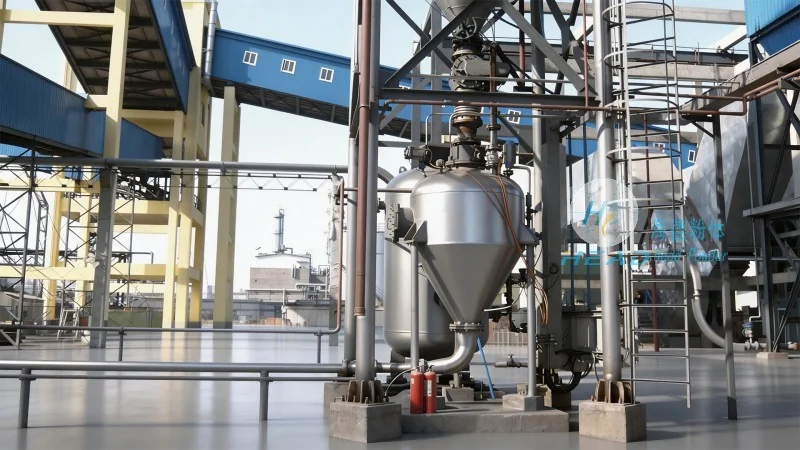
Advantages and Applications in Industrial Settings
The adoption of hopper-based pneumatic conveying systems offers significant advantages over traditional mechanical conveying methods, making them a preferred choice in various industries. One of the most notable benefits is the reduction in operational costs and maintenance requirements. Since there are no moving parts in contact with the powder (except for the hopper itself), the system experiences less wear and tear, leading to lower long-term expenses. Additionally, the enclosed design minimizes dust dispersion, improving workplace safety and compliance with environmental regulations. This is particularly important in industries where dust is a health hazard or a regulatory concern, such as pharmaceuticals and food processing. In terms of efficiency, pneumatic conveying systems can achieve higher throughput rates compared to mechanical alternatives, especially for fine powders that are prone to caking or bridging in traditional conveyors. The ability to transport materials vertically and horizontally with minimal changes in direction further enhances operational flexibility. These advantages make hoppers an integral part of modern material handling solutions, particularly in facilities that require high-purity, dust-free transfer of bulk powders. For example, in the chemical industry, these systems are used to transport raw materials to reactors, while in the food industry, they ensure the safe and clean transfer of ingredients to processing equipment. The versatility of hoppers-based pneumatic conveying systems makes them suitable for a wide range of applications, from small-scale laboratory operations to large-scale industrial production lines.