

Working Principle and Features of Lithium-Ion Battery Positive and Negative Electrode Material Conve
At Shandong HeadPowder Engineering Co., Ltd., we specialize in providing advanced solutions for the material handling and processing of lithium-ion battery electrode materials. Our conveying system equipment is designed to enhance efficiency, precision, and safety in the production of battery cells. This article will explore the working principles and key features of our system, highlighting how it meets the demanding requirements of modern battery manufacturing.
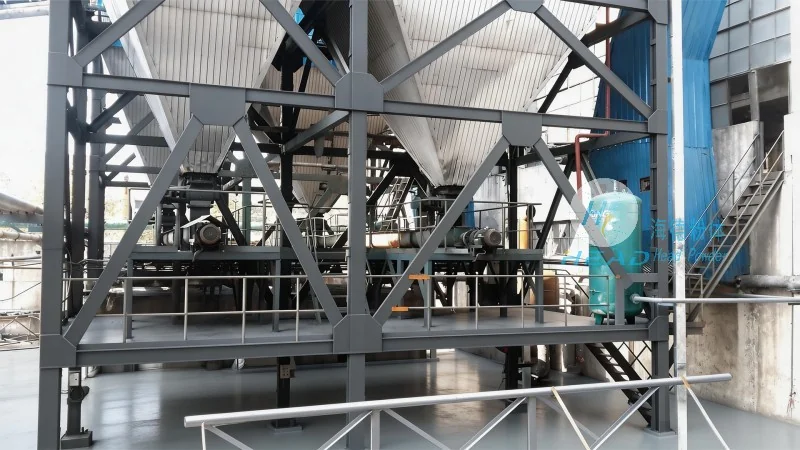
Company Overview
HeadPowder, as the name suggests, is a leading engineering company based in Shandong, China. With a strong commitment to innovation and quality, we have established ourselves as a trusted partner in the battery materials industry. Our team of experts focuses on developing cutting-edge equipment that supports the entire lifecycle of lithium-ion battery production, from raw material processing to final cell assembly. By integrating advanced technology with practical applications, we ensure that our solutions are both effective and reliable for our clients.
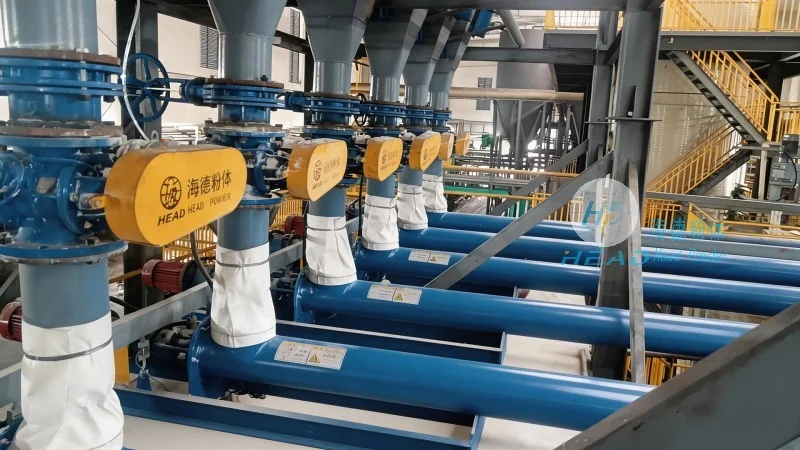
Working Principle of the Conveying System
The lithium-ion battery positive and negative electrode material conveying system operates on a sophisticated mechanism that ensures seamless material transport and processing. The system typically consists of several key components, including feeders, conveyors, and processing units, all working in tandem to achieve optimal performance. The working principle involves the following steps:
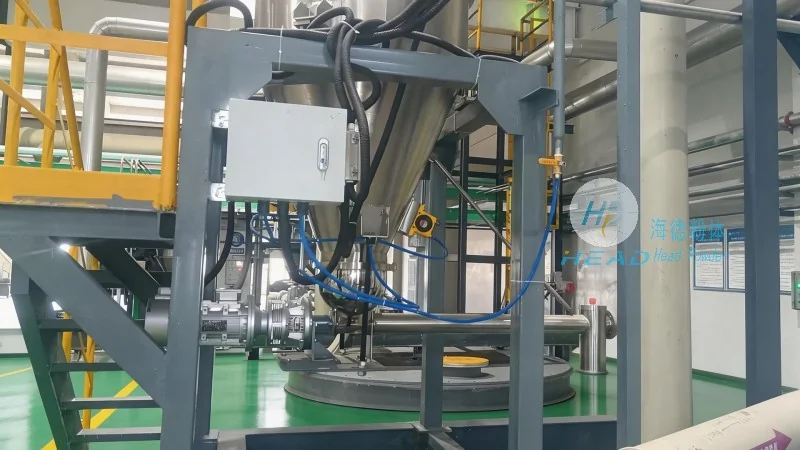
- Material Feeding: Raw electrode materials are fed into the system through a controlled feeding mechanism. This step ensures that the material is introduced uniformly and without blockages, which is crucial for maintaining consistent production rates.
- Conveying and Transport: Once fed, the materials are transported through a series of conveyors, which may include belt conveyors, screw conveyors, or pneumatic systems, depending on the material characteristics and processing requirements. The conveyors are designed to handle different types of materials, such as powders or pastes, with minimal loss and maximum efficiency.
- Processing and Conditioning: During the transport process, the materials may undergo additional processing steps, such as mixing, drying, or coating. These steps are integrated into the conveying system to streamline the production workflow and reduce the need for separate processing equipment.
- Delivery to Production Lines: The processed materials are then delivered to the subsequent production stages, such as slurry preparation or cell formation. The system ensures that the materials are delivered in the correct quantity and quality, meeting the specifications required for high-performance battery cells.
By integrating these steps into a single, cohesive system, our equipment minimizes downtime, reduces material waste, and enhances overall production efficiency. The modular design of the system allows for easy customization and scalability, enabling it to adapt to the evolving needs of battery manufacturers.
Key Features of the Conveying System
Our lithium-ion battery positive and negative electrode material conveying system is equipped with several features that set it apart from conventional solutions. These features are designed to address the unique challenges of battery material processing and ensure optimal performance in a production environment. The key features include:
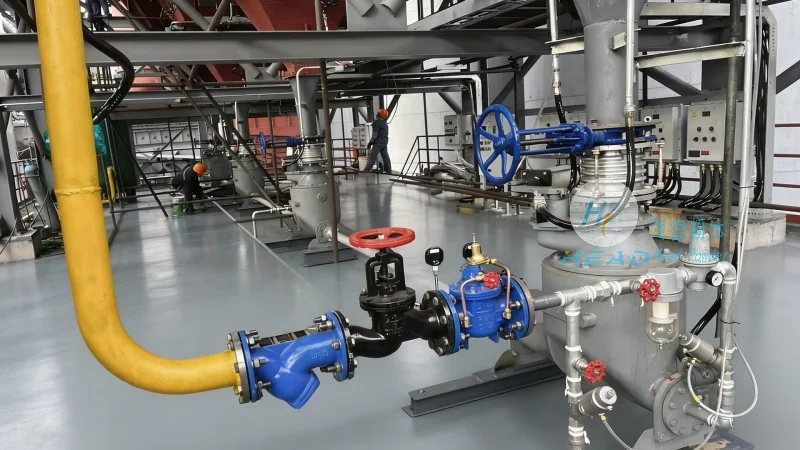
- High Precision and Control: The system utilizes advanced control systems and sensors to monitor and regulate the material flow, ensuring precise dosing and consistent quality. This feature is critical for maintaining the uniformity of electrode materials, which directly impacts the performance and lifespan of the final battery cells.
- Enhanced Safety and Reliability: Safety is a top priority in our design. The system incorporates multiple safety mechanisms, such as overload protection, material detection sensors, and emergency stop functions, to prevent accidents and ensure smooth operation. Additionally, the robust construction and durable materials used in the equipment enhance its reliability, reducing maintenance needs and increasing operational uptime.
- Efficient Material Handling: The conveying system is optimized for efficient material handling, minimizing the risk of material degradation or contamination. The design includes features like sealed conveying paths and dust control systems, which help maintain the purity of the materials and prevent cross-contamination. This is particularly important for electrode materials, as even minor impurities can significantly affect battery performance.
- Scalability and Flexibility: The system is designed to be scalable, allowing it to accommodate changes in production volume and material types. This flexibility enables manufacturers to adapt to market demands and expand their production capabilities without significant investments in new equipment. The modular nature of the system also allows for easy integration with existing production lines, minimizing disruption during upgrades or expansions.
- Energy Efficiency: Energy consumption is a key consideration in modern manufacturing. Our conveying system is engineered to be energy-efficient, using advanced motor controls and optimized conveyor designs to reduce power usage while maintaining high performance. This not only lowers operational costs but also aligns with the industry's sustainability goals.
These features collectively contribute to a system that is not only effective in processing lithium-ion battery electrode materials but also sustainable, reliable, and adaptable to the dynamic needs of the battery industry.