

[WOKING PRINCIPLE AND CHARACTERISTICS OF CARBOXYMETHYL CELLULOSE MATERIAL HANDLING]
HeadPowder, formally known as Shandong HeadPowder Engineering Co., Ltd., is a prominent enterprise based in Shandong, China, specializing in the design, manufacturing, and application of advanced material handling systems. The company focuses on providing efficient and reliable solutions for the transportation of carboxymethyl cellulose (CMC), a widely used industrial polymer. With a strong commitment to technological innovation and customer satisfaction, HeadPowder has established itself as a trusted partner in various industries that rely on CMC for processing and production.
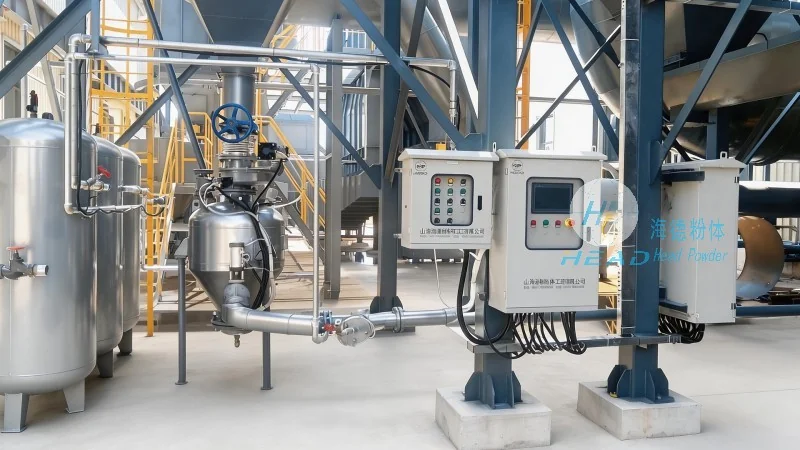
Working Principle of Carboxymethyl Cellulose Material Handling
The working principle of carboxymethyl cellulose material handling involves a systematic approach to ensure the safe and efficient transport of this polymer. At the core of the process is the understanding of CMC's physical properties, particularly its rheological behavior. Carboxymethyl cellulose is a hydrophilic polymer that can form viscous solutions when mixed with water or other solvents. This property is crucial for controlling the flow characteristics during material handling. The handling process typically begins with the preparation of the CMC solution, where the polymer is dissolved or dispersed in the appropriate medium. This step is critical as it determines the consistency of the material, which directly impacts the performance of the handling equipment.
Once the CMC solution is prepared, it is fed into the handling system. The system may include pumps, conveyors, or other mechanical devices designed to move the material from one location to another. For example, in industrial applications, CMC is often used in the production of paper, food, and pharmaceuticals, where it needs to be transported from storage tanks to processing lines. The handling equipment must be capable of maintaining the solution's viscosity and preventing clogging or degradation. This is achieved through the use of specialized pumps, such as centrifugal or positive displacement pumps, which are selected based on the specific requirements of the CMC solution. The pumps ensure a consistent flow rate, minimizing variations that could affect downstream processes.
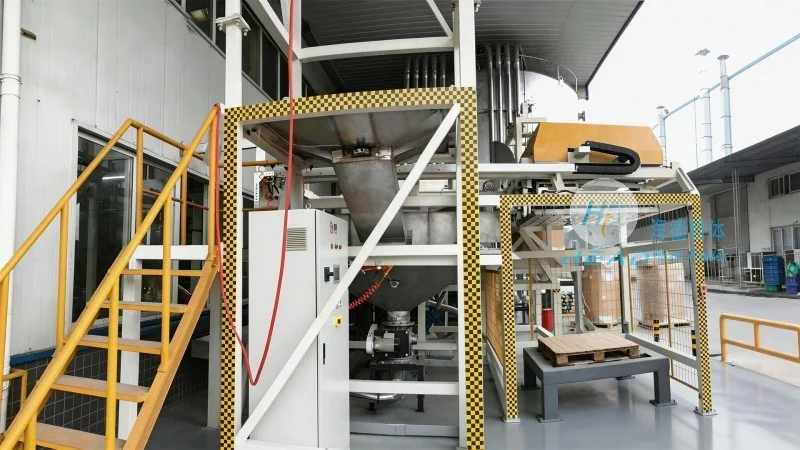
Conveyors are another essential component in CMC material handling. They can be either belt conveyors or screw conveyors, depending on the application. Belt conveyors are commonly used for transporting CMC in bulk form, while screw conveyors are ideal for handling the polymer in a slurry or paste form. The choice of conveyor type depends on factors such as the viscosity of the CMC solution, the required throughput, and the distance to be covered. The conveyors are equipped with appropriate materials to prevent the CMC from adhering to the surfaces, ensuring smooth and continuous operation. Additionally, the handling system may include valves, pipes, and storage tanks to regulate the flow and storage of the CMC solution. These components work together to create a seamless process from preparation to delivery.
Key Characteristics of Carboxymethyl Cellulose Material Handling
Carboxymethyl cellulose material handling systems exhibit several key characteristics that make them effective and reliable. One of the primary characteristics is the ability to maintain the solution's stability. CMC solutions are sensitive to temperature and pH changes, which can cause the polymer to precipitate or change its viscosity. Therefore, the handling system must be designed to minimize these variations. This is achieved through temperature control and pH regulation, ensuring that the CMC remains in a stable state throughout the transport process. The system may also include heating or cooling elements to adjust the temperature as needed, maintaining the optimal conditions for the CMC solution.
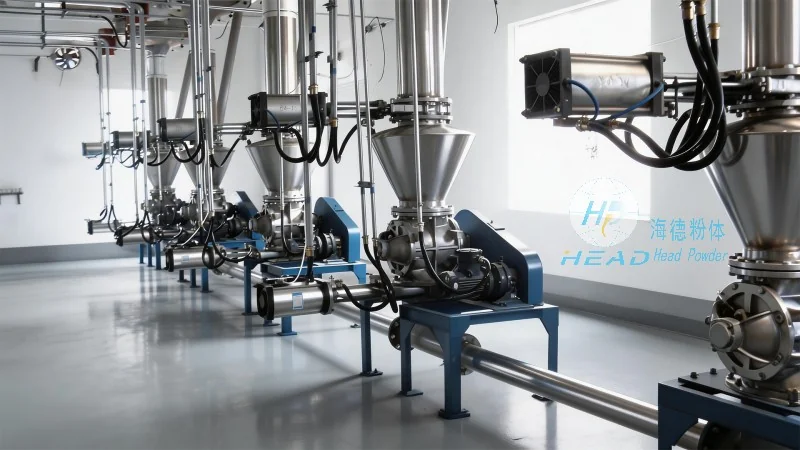
Another important characteristic is the efficiency of the material handling process. The equipment used in CMC handling is engineered to maximize throughput while minimizing energy consumption. This is achieved through the use of high-efficiency pumps and conveyors, which operate at optimal speeds and pressures. The system is also designed to reduce downtime by incorporating features such as automatic cleaning and maintenance schedules. This ensures that the handling process remains continuous and uninterrupted, even during high-demand periods. The efficiency of the system is further enhanced by the use of sensors and control systems that monitor the flow rate, pressure, and temperature in real-time. These sensors provide feedback to the control system, allowing for immediate adjustments to maintain the desired operating conditions.
The adaptability of CMC material handling systems is also a significant characteristic. The systems are designed to handle a wide range of CMC concentrations and viscosities, making them suitable for various industrial applications. For example, the same system can be used to transport CMC solutions with different solids content, from low-viscosity solutions to high-paste forms. This adaptability is achieved through the modular design of the equipment, which allows for easy adjustments and modifications. The system can be configured to meet the specific requirements of different processes, ensuring flexibility and versatility. Additionally, the handling systems can be integrated with other production equipment, such as mixers and reactors, to create a comprehensive process line. This integration enhances the overall efficiency of the production process and reduces the need for manual intervention.
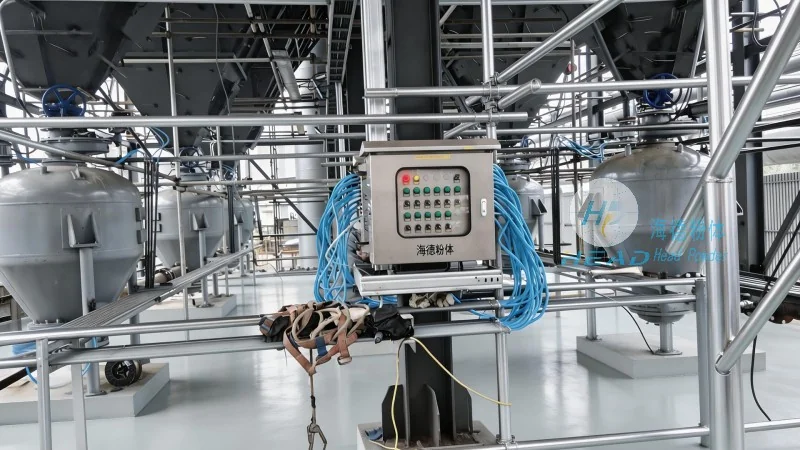
Reliability is a critical characteristic of CMC material handling systems, as any disruption in the supply of CMC can impact the entire production line. The equipment used in the handling process is built with high-quality materials and components, ensuring long-term durability and minimal maintenance requirements. Regular maintenance and inspection are conducted to identify and address potential issues before they cause downtime. The system is also equipped with safety features, such as pressure relief valves and emergency stop buttons, to prevent accidents and ensure the safety of operators. These features contribute to the overall reliability of the handling system, providing peace of mind to users.
Conclusion: The Importance of Advanced Carboxymethyl Cellulose Material Handling
In conclusion, the working principle and characteristics of carboxymethyl cellulose material handling are essential for ensuring the efficient and reliable transport of this important industrial polymer. The process involves a combination of specialized equipment, precise control, and careful monitoring to maintain the solution's stability and performance. HeadPowder, as a leading provider of CMC material handling solutions, leverages advanced technology and expertise to deliver systems that meet the diverse needs of various industries. By understanding the unique properties of CMC and designing systems that address these properties, HeadPowder ensures that clients can achieve optimal performance and productivity in their operations. The continued development of advanced material handling technologies will further enhance the efficiency and reliability of CMC processing, supporting the growth and success of industries that rely on this versatile polymer.