

Working Principle and Features of Material Handling for Lithium-Ion Battery Raw Materials
Material handling systems are integral to the efficient production of lithium-ion batteries, particularly in managing the flow of raw materials. These systems are responsible for the movement, storage, and control of materials from receipt to integration into battery components. Understanding their working principles and key features is essential for optimizing production lines and ensuring consistent quality in lithium-ion battery manufacturing.
Working Principle of Material Handling Systems for Lithium-Ion Battery Raw Materials
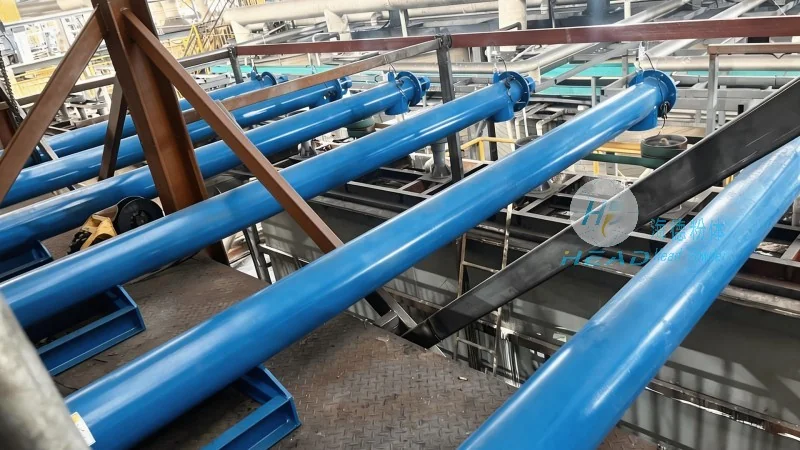
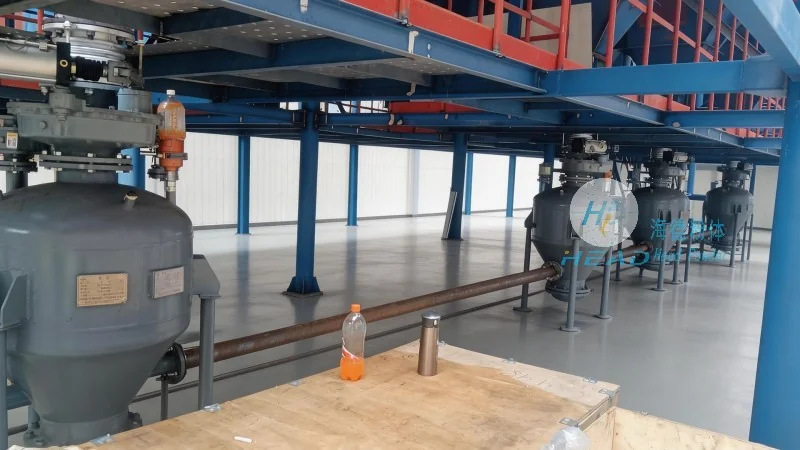
The working principle of material handling systems for lithium-ion battery raw materials typically involves a series of integrated steps. Initially, raw materials such as lithium compounds, cobalt, nickel, and other precursors are received and stored in designated areas. Automated storage and retrieval systems (AS/RS) or bulk storage silos are commonly used to manage large volumes of these materials. From the storage zones, materials are transported to processing units via a network of conveyors, robotic arms, or automated guided vehicles (AGVs). Conveyors, including belt conveyors, chain conveyors, and pneumatic conveyors, are employed to move materials horizontally or vertically. Robotic systems may handle small components or perform precise tasks like sorting and packaging. The entire process is controlled by a centralized system that monitors inventory levels, material flow, and operational efficiency. This system ensures materials are delivered to the production line at the right time and quantity, minimizing downtime and waste.
Key Features of Material Handling Solutions for Lithium-Ion Battery Raw Materials
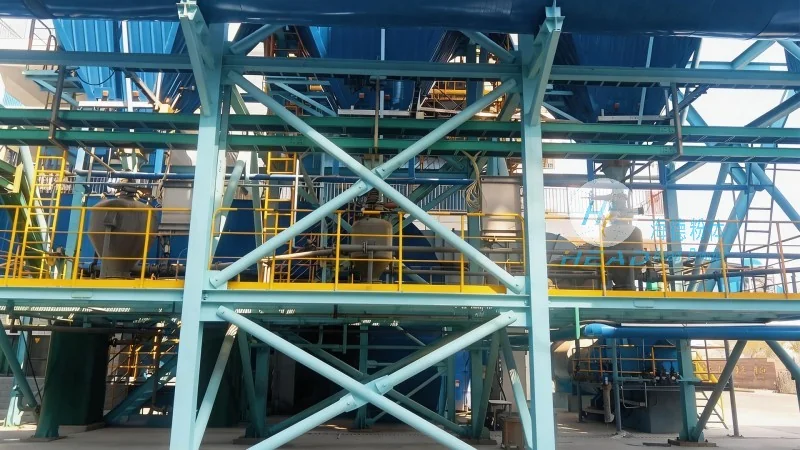
Effective material handling solutions for lithium-ion battery raw materials exhibit several key features that enhance operational performance. One primary feature is automation, reducing manual labor and human error. Automated systems handle repetitive tasks with high precision, ensuring consistent material quality and minimizing contamination risks. Another critical feature is flexibility, allowing the system to adapt to changes in production volume or material types. This adaptability is vital in the dynamic battery manufacturing environment, where product specifications and raw material sources may change frequently. Additionally, the systems are designed for high efficiency, with optimized material flow paths that minimize travel time and energy consumption. This efficiency is achieved through advanced control algorithms and real-time monitoring. Furthermore, the systems use robust materials and components to withstand harsh battery production conditions, including chemical exposure and high temperatures. Safety features like emergency stop mechanisms and collision detection protect equipment and personnel. Integration of sensors and data analytics provides real-time performance insights, enabling proactive maintenance and continuous improvement.
Company Profile: Shandong HeadPowder Engineering Co., Ltd.
Shandong HeadPowder Engineering Co., Ltd. is a leading provider of specialized material handling solutions for the lithium-ion battery industry. The company focuses on designing, manufacturing, and implementing customized systems tailored to battery manufacturers' needs. With a commitment to innovation and quality, HeadPowder Engineering leverages advanced technology to deliver efficient and reliable solutions. The company operates a state-of-the-art R&D facility in Shandong, China, enabling the development of cutting-edge systems. Its team of engineers and technicians, with extensive experience in material handling and battery manufacturing, work closely with clients to understand operational requirements and provide tailored solutions. The company adheres to international standards and quality control measures to ensure product excellence. Through its expertise, HeadPowder Engineering has established itself as a trusted partner in the lithium-ion battery supply chain.
Conclusion
In summary, material handling systems for lithium-ion battery raw materials are critical to modern battery production. Their working principle involves automated movement and management of raw materials from storage to processing, supported by advanced control systems. Key features such as automation, flexibility, efficiency, and robustness are essential for optimizing production and ensuring quality. Companies like Shandong HeadPowder Engineering Co., Ltd. play a vital role in providing these specialized solutions, leveraging technology and expertise to meet industry demands. By implementing effective material handling systems, battery manufacturers can enhance operational efficiency, reduce costs, and maintain a competitive edge in the market.