

What is a Small Gravel Material Pneumatic Conveyor? Exploring Its Design Principles
For industries dealing with small gravel and similar bulk materials, the choice of material handling equipment can significantly impact operational efficiency and safety. Among the various options available, pneumatic conveyors stand out as a versatile and effective solution. This article delves into the concept of small gravel material pneumatic conveyors, exploring their design principles and how they contribute to seamless material transport. The information is presented by Shandong HeadPowder Engineering Co., Ltd., a leading manufacturer based in China, with a focus on providing reliable and efficient equipment for material handling needs.
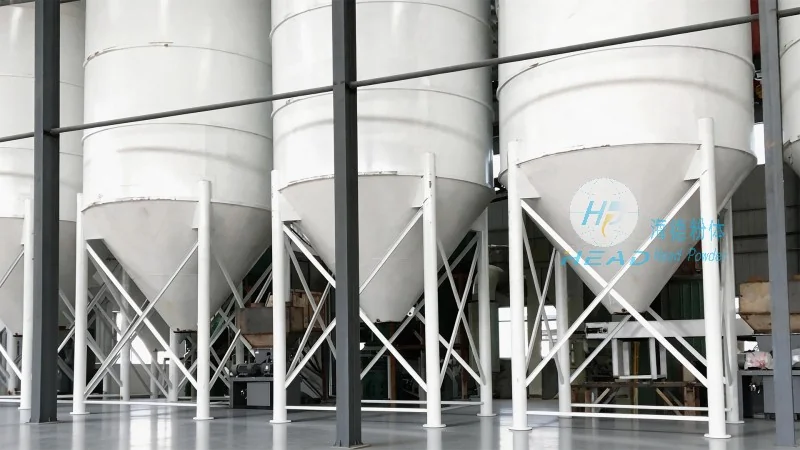
Introduction to Small Gravel Material Pneumatic Conveyors
A small gravel material pneumatic conveyor is a system designed to transport small gravel or similar granular materials through a pipeline using compressed air or other gas. Unlike traditional mechanical conveyors, which rely on belts or chains, pneumatic conveyors utilize the force of air to move materials, making them particularly suitable for applications where dust control and flexibility are critical. The system typically consists of a blower, a hopper for material loading, a pipeline network, and a receiver for material discharge. This design allows for the efficient and continuous movement of small gravel from one location to another, minimizing manual handling and reducing the risk of material contamination.
Key Components and Working Principle
The design of a small gravel material pneumatic conveyor is centered around several key components that work in tandem to achieve effective material transport. The primary components include a high-pressure blower or compressor, which generates the necessary airflow to move the material. The hopper, often equipped with a feeder or valve, ensures a consistent flow of small gravel into the system. The pipeline, usually made of stainless steel or other corrosion-resistant materials, is designed to withstand the pressure and abrasion from the gravel particles. At the receiving end, a separator or cyclone is used to separate the material from the air, allowing for clean material discharge and air recycling. The working principle involves introducing small gravel into the hopper, where it is drawn into the pipeline by the suction created by the blower. The air carries the gravel particles through the pipeline to the receiving hopper, where the air is separated from the material, and the material is collected for further use. This process is continuous and can be adjusted to handle varying material loads and distances.
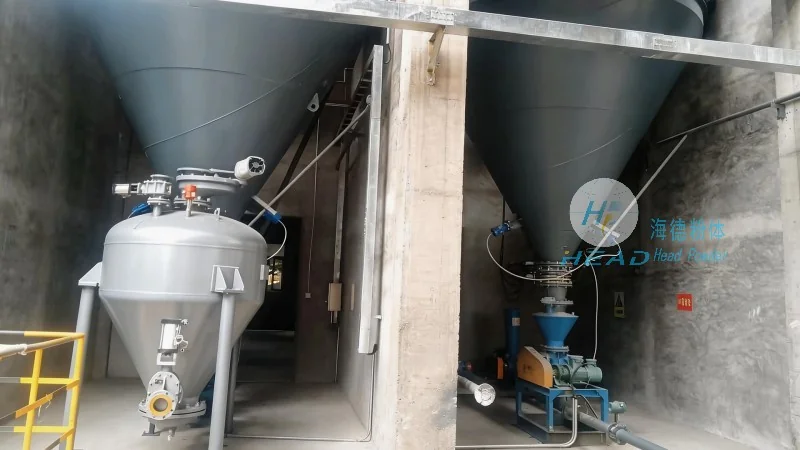
Design Considerations for Efficient Operation
Designing an effective small gravel material pneumatic conveyor requires careful consideration of several factors to ensure optimal performance. The first consideration is the characteristics of the small gravel itself, such as particle size, density, and moisture content. These properties influence the air velocity required to move the material and the pressure needed to maintain flow. For example, smaller or lighter particles may require lower air pressure but higher air velocity to prevent settling or blockages. The second factor is the distance and layout of the transport system. The length and number of bends in the pipeline affect the overall pressure drop and energy consumption. Engineers must calculate the pressure drop along the pipeline to ensure that the blower can provide sufficient pressure to reach the destination. Additionally, the material of construction is critical. Since small gravel can be abrasive, components like the hopper, pipeline, and separator must be made from durable materials, such as stainless steel or high-grade plastic, to minimize wear and extend the equipment's lifespan. The design also considers the need for dust control and environmental compliance. Many pneumatic conveyor systems incorporate filtration and air cleaning systems to reduce dust emissions and meet regulatory standards. This not only protects the environment but also maintains a safe working environment for personnel.
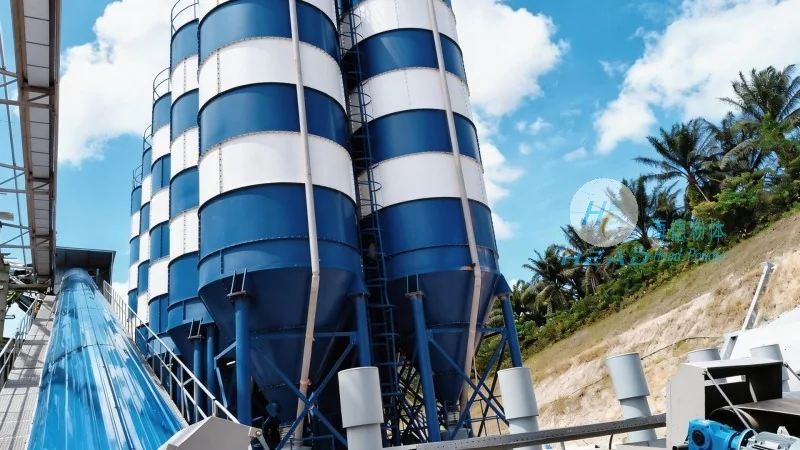
Advantages of Using Pneumatic Conveying for Small Gravel
Implementing a small gravel material pneumatic conveyor offers several advantages over traditional material handling methods. One of the most significant benefits is the ability to handle small gravel without the need for mechanical parts that can wear out or break. This reduces maintenance costs and downtime, as there are fewer moving parts to replace. Additionally, pneumatic conveyors are highly flexible, allowing for changes in the layout or direction of material transport without major modifications. This adaptability is particularly valuable in dynamic industrial environments where production needs may change frequently. Another advantage is the excellent dust control provided by pneumatic systems. By containing the material within a sealed pipeline, the risk of dust dispersion is minimized, improving air quality and reducing the risk of respiratory issues for workers. This is especially important when handling small gravel, which can generate fine particles that are hazardous if inhaled. Furthermore, pneumatic conveyors can operate continuously, allowing for a steady flow of material from the source to the destination. This continuous operation increases productivity and reduces the need for manual intervention, which can be labor-intensive and inefficient. The system also offers better material protection, as the sealed pipeline prevents contamination from external sources and keeps the material clean until it reaches the receiving point. This is crucial for applications where the quality of the small gravel is critical, such as in construction or mining.
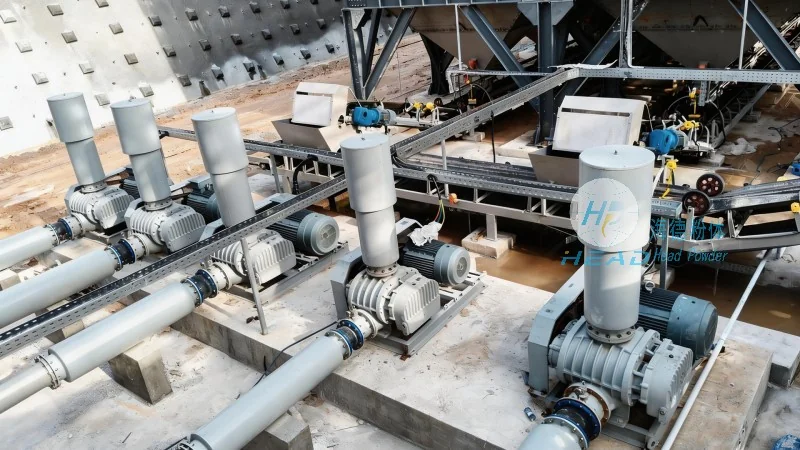
Application Scenarios and Practical Implementation
Small gravel material pneumatic conveyors are widely used in various industries, including construction, mining, and manufacturing. In construction, they are commonly used to transport small gravel from stockpiles to mixing stations or to different construction sites. The ability to move material over long distances without the need for additional equipment makes them ideal for large-scale projects. In mining operations, pneumatic conveyors are used to transport crushed gravel from processing plants to storage facilities or for further processing. The system can handle large volumes of material efficiently, reducing the need for trucks or other transport vehicles that may cause traffic congestion and environmental issues. In manufacturing, small gravel material pneumatic conveyors are used in processes such as concrete production, where small gravel is mixed with other materials to create concrete. The system ensures a consistent and controlled flow of small gravel, improving the quality and consistency of the final product. Practical implementation of a small gravel material pneumatic conveyor involves several steps. First, the site is assessed to determine the optimal layout of the pipeline and the location of the hopper and receiver. This assessment considers factors such as the distance between the source and destination, the presence of obstacles, and the need for vertical or horizontal transport. Next, the components are selected based on the material characteristics and operational requirements. The blower is chosen to provide the necessary pressure and airflow, while the pipeline is sized to accommodate the material flow without excessive pressure drop. The hopper and receiver are designed to handle the volume of small gravel and to facilitate easy material discharge. Finally, the system is installed and tested to ensure that it operates efficiently and safely. Regular maintenance is also essential to keep the system running smoothly, including checking the blower performance, cleaning the pipeline and separator, and replacing worn parts as needed. By following these steps, industries can effectively implement small gravel material pneumatic conveyors to enhance their material handling capabilities and improve overall operational efficiency.
Shandong HeadPowder Engineering Co., Ltd., based in China, specializes in the design and manufacturing of small gravel material pneumatic conveyors. With years of experience in the industry, the company provides customized solutions tailored to the specific needs of its clients. The company's commitment to quality and innovation ensures that its products meet the highest standards of performance and reliability. By leveraging advanced design principles and durable materials, HeadPowder delivers pneumatic conveyor systems that are efficient, cost-effective, and environmentally friendly. For industries dealing with small gravel and similar bulk materials, choosing a small gravel material pneumatic conveyor from HeadPowder is a smart investment in operational efficiency and safety.