

What is a Polyurethane Material Pneumatic Conveying System? And What Are Its Design Principles?
A polyurethane material pneumatic conveying system is a specialized industrial equipment designed to transport bulk materials through a pipeline using air or other gas as the conveying medium. This technology is widely used in various industries such as food, pharmaceuticals, chemicals, and powders processing due to its efficiency and flexibility in handling different types of materials. The system utilizes polyurethane components, which are known for their durability, chemical resistance, and ability to minimize material contamination.
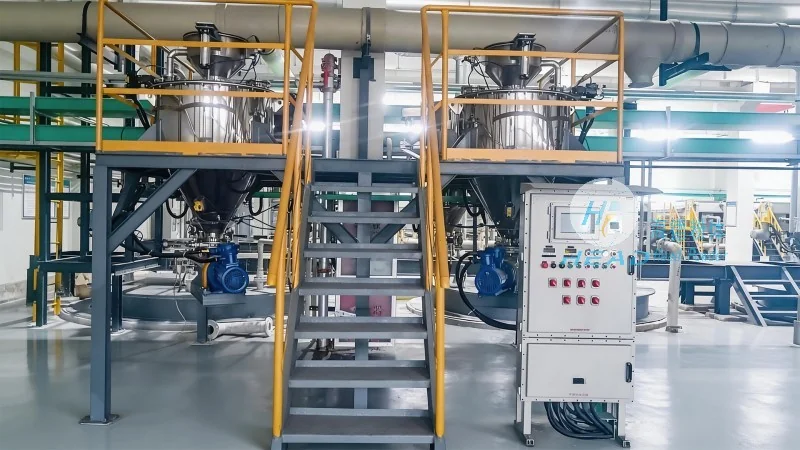
Introduction to Polyurethane Material Pneumatic Conveying Systems
HeadPowder, a leading manufacturer based in Shandong, China, specializes in the design, manufacturing, and supply of high-quality polyurethane material pneumatic conveying systems. The company's expertise lies in developing customized solutions that meet the specific needs of clients across diverse sectors. By leveraging advanced engineering and materials science, HeadPowder ensures that its products deliver optimal performance, reliability, and longevity in demanding operational environments.
Design Principles of Polyurethane Material Pneumatic Conveying Systems
The core design principles of a polyurethane material pneumatic conveying system revolve around the efficient transfer of bulk materials from a source to a destination using compressed air. The system typically consists of several key components, including a hopper for material storage, a conveying line (often made of polyurethane or other corrosion-resistant materials), a blower or compressor to generate the air flow, and a receiver or discharge unit. The polyurethane components, such as the hopper liners, pipe liners, and valves, are engineered to withstand the abrasive nature of many bulk materials while maintaining a smooth interior surface to reduce friction and improve flow.
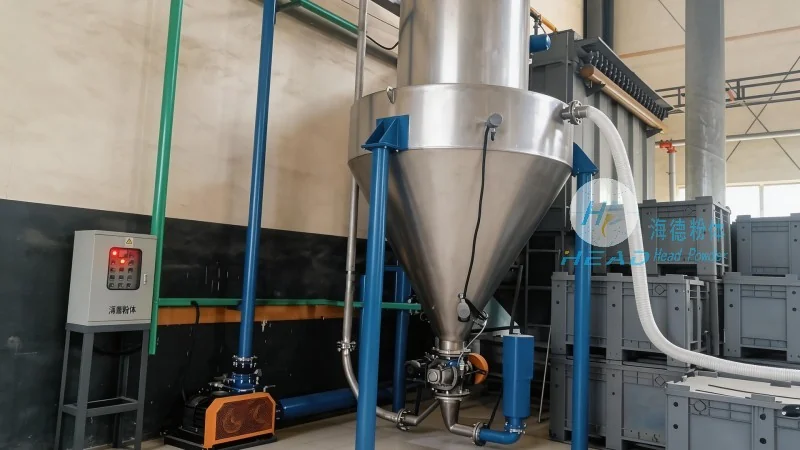
One of the critical design considerations is the selection of the appropriate conveying method, which can be categorized into pressure or vacuum systems. Pressure systems use compressed air to push the material through the pipeline, while vacuum systems create a negative pressure to draw the material. The choice between these methods depends on factors like material characteristics, distance to be conveyed, and system layout. HeadPowder's engineers carefully evaluate these factors to recommend the most suitable configuration for each application.
Key Features and Advantages of Polyurethane Material Pneumatic Conveying Systems
Polyurethane material pneumatic conveying systems offer several advantages that make them a preferred choice in many industries. Firstly, they provide a clean and hygienic method of material handling, which is essential in sectors like food and pharmaceuticals where contamination control is paramount. The smooth, non-stick surface of polyurethane liners prevents material buildup and ensures easy cleaning, adhering to strict regulatory standards. Secondly, these systems are highly efficient in terms of energy consumption and material throughput, reducing operational costs and increasing productivity. The ability to handle a wide range of materials, from fine powders to coarse granules, without clogging or degradation further enhances their versatility.
Applications and Industries Served by Polyurethane Material Pneumatic Conveying Systems
HeadPowder's polyurethane material pneumatic conveying systems are applied in a variety of industries where bulk material handling is critical. In the food industry, they are used for transporting ingredients like flour, sugar, and spices, ensuring that the materials remain fresh and free from contamination. In the pharmaceutical sector, these systems are employed to handle active pharmaceutical ingredients (APIs) and excipients, maintaining the purity and integrity of the products. The chemical industry utilizes them for conveying powders such as pigments, catalysts, and additives, while the agricultural sector benefits from efficient handling of fertilizers and seeds. Additionally, in the mining and minerals industry, polyurethane pneumatic conveying systems are used to transport raw materials and byproducts, improving operational efficiency and safety.
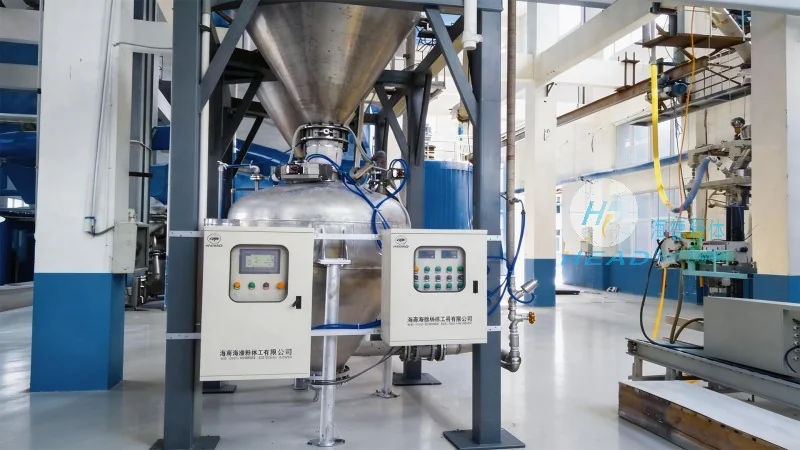
Customization and After-Sales Support from HeadPowder
HeadPowder understands that each client has unique operational requirements, and therefore, offers comprehensive customization options for its polyurethane material pneumatic conveying systems. The company works closely with clients to understand their specific material characteristics, processing needs, and environmental constraints, and then designs a tailored solution that maximizes performance and minimizes downtime. After the system is installed, HeadPowder provides comprehensive after-sales support, including maintenance services, spare parts supply, and technical assistance. This commitment to customer satisfaction ensures that clients can rely on their equipment for long-term, trouble-free operation.
Conclusion
Polyurethane material pneumatic conveying systems represent a sophisticated and effective solution for bulk material handling in various industrial applications. With its robust design, durability, and ability to maintain material integrity, this technology continues to be a preferred choice for industries that demand high standards of efficiency, cleanliness, and reliability. HeadPowder, as a leading manufacturer based in Shandong, China, plays a crucial role in providing these advanced systems, contributing to the growth and success of its clients across the globe.