

What is a Lightweight Cement Material Pneumatic Conveying System? And What Are Its Design Principles
Lightweight cement material pneumatic conveying systems represent a sophisticated approach to material handling, particularly in industrial settings where the efficient and safe transport of cement and related lightweight powders is critical. These systems leverage the principles of pneumatic transport to move materials through a pipeline using air or other gas as the conveying medium. The technology is widely adopted in various industries, including construction, manufacturing, and chemical processing, due to its ability to handle fine, dusty, or abrasive materials with minimal wear and tear on equipment.
Key Components of a Pneumatic Conveying System
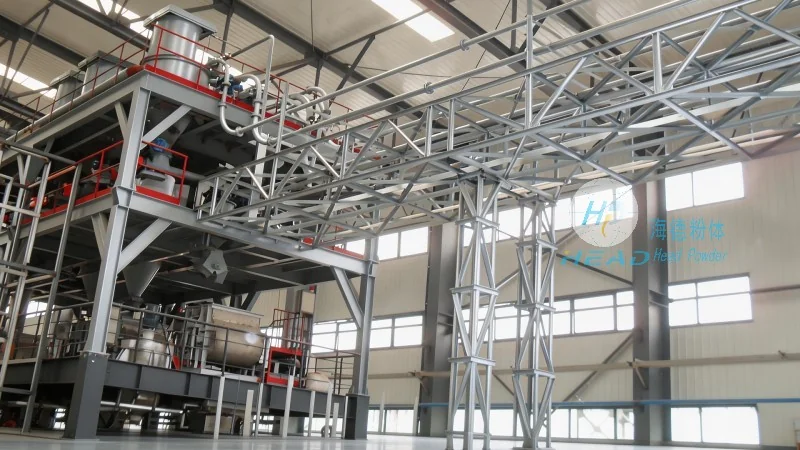
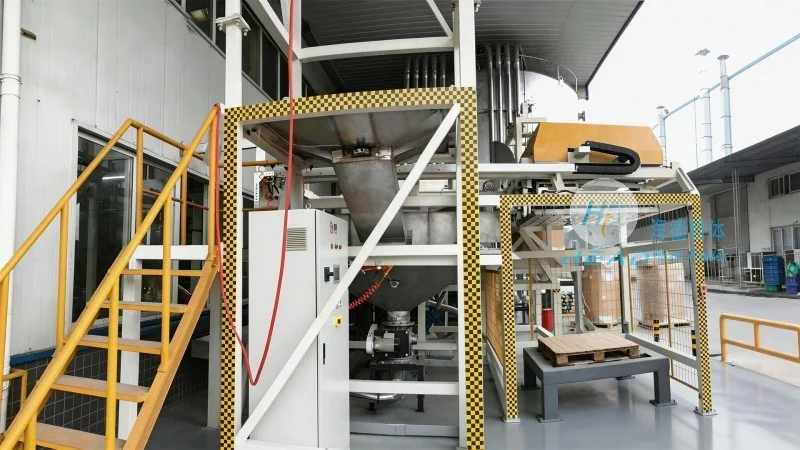
At the core of any pneumatic conveying system are several essential components that work in tandem to ensure smooth operation. The primary elements include a material feed hopper, which stores and regulates the flow of the lightweight cement material. This hopper is typically equipped with a feeder, such as a rotary valve or a screw feeder, to control the discharge rate and prevent material buildup. The conveying line itself, often made of stainless steel or other corrosion-resistant materials, serves as the pathway for the material and air mixture. A blower or compressor provides the necessary pressure or vacuum to move the material through the system. Additionally, a separator or cyclone is used to separate the material from the air at the end of the line, allowing the material to be collected in a receiving hopper while the air is either filtered or recirculated.
Design Principles for Efficient Material Transport
The design of a lightweight cement material pneumatic conveying system is governed by several key principles aimed at optimizing performance, energy efficiency, and material handling capabilities. One of the fundamental principles is the selection of the appropriate conveying velocity. The velocity must be high enough to prevent material settling or blockages in the pipeline but low enough to avoid excessive wear on the system components. This balance is critical for maintaining system longevity and minimizing maintenance costs. Another important principle is the consideration of the material's properties, such as particle size, density, and moisture content. These factors influence the required air flow rate and pressure, as well as the type of equipment used for feeding and separation. For example, finer particles may require higher air velocities to ensure consistent transport, while larger or more abrasive particles may necessitate the use of positive pressure systems rather than negative pressure systems to prevent wear and damage.

Advantages of Pneumatic Conveying in Cement Handling
Implementing a pneumatic conveying system for lightweight cement materials offers numerous advantages over traditional methods like belt conveyors or bucket elevators. One of the most significant benefits is the ability to handle dusty or fine materials without the need for additional dust control measures, as the system inherently contains the material within the pipeline. This reduces the risk of airborne dust exposure and improves workplace safety. Additionally, pneumatic systems can be designed to operate in a closed loop, minimizing material loss and environmental impact. The flexibility of these systems also allows for easy integration with existing production lines, enabling seamless material transfer between processes. Furthermore, the absence of moving parts in the conveying line itself reduces the risk of mechanical failure and lowers maintenance requirements compared to systems with rotating components.
Customization and Scalability in System Design
Given the diverse nature of industrial applications, pneumatic conveying systems are often customized to meet specific operational requirements. The design process involves careful analysis of the material characteristics, the required transport distance, and the desired throughput. Engineers from companies like Shandong HeadPowder Engineering Co., Ltd. work closely with clients to develop tailored solutions that address unique challenges, such as long-distance transport or the handling of materials with varying properties. The scalability of these systems is another key advantage, as they can be expanded or modified to accommodate increased production demands or changes in material handling needs. This flexibility ensures that the system remains effective and efficient as the business grows, providing a long-term solution for material transport needs.
Conclusion: The Role of Pneumatic Conveying in Modern Material Handling
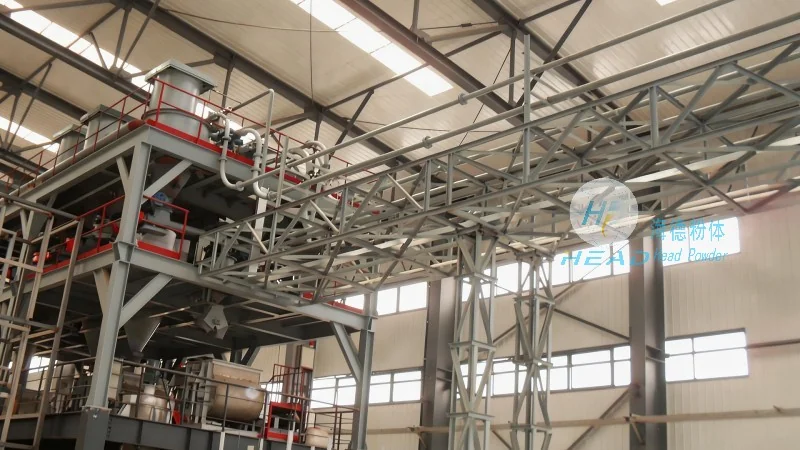
In conclusion, lightweight cement material pneumatic conveying systems represent a highly effective and efficient solution for the transport of fine powders in industrial applications. By leveraging the principles of pneumatic transport, these systems offer advantages such as dust control, reduced maintenance, and flexibility in design. The design principles, including the selection of appropriate conveying velocities and consideration of material properties, are crucial for optimizing system performance. As industries continue to seek more sustainable and efficient material handling solutions, pneumatic conveying systems remain a vital technology. Companies like Shandong HeadPowder Engineering Co., Ltd. play a key role in providing customized and reliable solutions that meet the evolving needs of modern manufacturing and construction sectors.