

What is a Sawdust and Husk Material Pneumatic Conveying Line? What Are Its Design Principles?
When it comes to efficiently transporting bulk materials like sawdust and husks, pneumatic conveying systems offer a reliable and efficient solution. A sawdust and husk material pneumatic conveying line is a specialized system designed to move these lightweight, often dusty materials from one location to another without the need for mechanical components like belts or buckets. This technology is widely used in industries such as woodworking, agriculture, and biomass processing, where the handling of these materials requires both safety and efficiency.
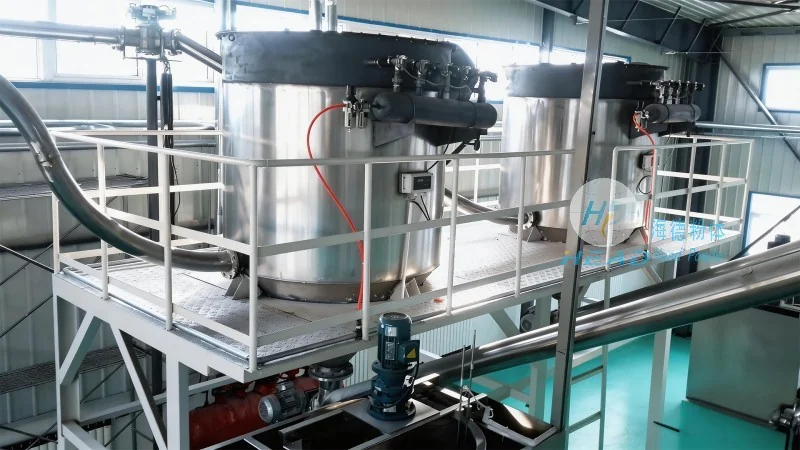
HeadPowder, a leading engineering company based in Shandong, China, specializes in the design, manufacturing, and installation of such pneumatic conveying systems. With a strong commitment to quality and innovation, HeadPowder has become a trusted name in the industry, providing tailored solutions that meet the unique needs of their clients. The company’s headquarters is located in Shandong, China, where they leverage local expertise and resources to deliver high-performance equipment.
Understanding Pneumatic Conveying Systems for Sawdust and Husk Materials
Pneumatic conveying, also known as air conveying, is a method of transporting solid materials through a pipeline using a stream of air. In the case of sawdust and husk materials, these lightweight particles are typically transported under pressure or vacuum, depending on the specific application. The system consists of several key components that work together to ensure smooth and continuous material movement.
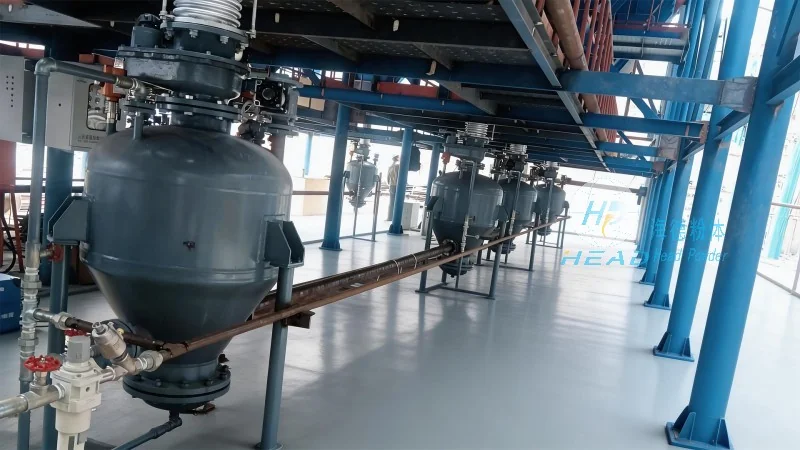
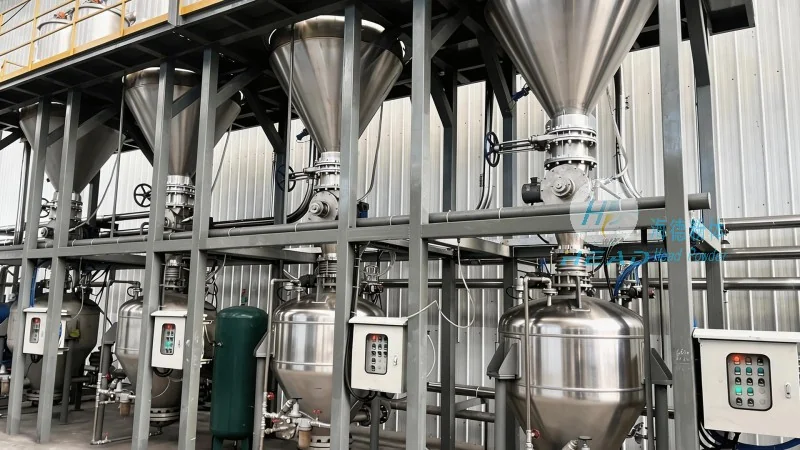
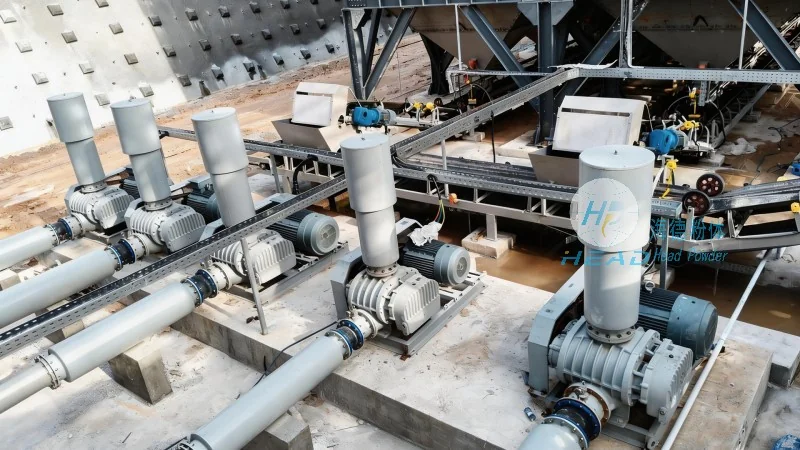
The primary components of a sawdust and husk material pneumatic conveying line include the material feed hopper, the conveying line (usually made of stainless steel or other corrosion-resistant materials), the air mover (such as a rotary lobe blower or a positive displacement blower), and the control system. The feed hopper is responsible for storing and feeding the material into the system, while the conveying line transports the material to the discharge point. The air mover generates the necessary airflow to move the material through the line, and the control system regulates the pressure and flow to maintain optimal performance.
Design Principles Behind Sawdust and Husk Material Pneumatic Conveying Lines
The design of a sawdust and husk material pneumatic conveying line is critical to its effectiveness and efficiency. Several key principles guide the engineering process, ensuring that the system can handle the unique characteristics of these materials. First, the system must be designed to handle the low density and high dust content of sawdust and husks. This often requires larger pipe diameters and higher airflow rates compared to systems handling heavier or more cohesive materials.
Second, the system must be equipped with features to prevent material buildup and blockages. Sawdust and husks can be prone to clogging, especially in bends or narrow sections of the pipeline. To address this, the design may include features such as pulse jets, rotary valves, or special elbows that help maintain a smooth flow. Additionally, the use of corrosion-resistant materials is essential, as sawdust and husks can be acidic or contain moisture that could damage standard metal pipes.
Third, energy efficiency is a key consideration in the design. The air mover is typically the most energy-intensive component, and optimizing its performance can significantly reduce operational costs. Engineers at HeadPowder employ advanced computational fluid dynamics (CFD) and other simulation tools to model the system and identify areas for improvement, ensuring that the final design is both effective and economical.
Advantages of Using a Sawdust and Husk Material Pneumatic Conveying Line
Implementing a pneumatic conveying system for sawdust and husk materials offers several advantages over traditional mechanical conveying methods. One of the most significant benefits is the reduction in labor costs and operational time. Unlike belt conveyors or bucket elevators, which require regular maintenance and cleaning, pneumatic systems can operate continuously with minimal downtime.
Another advantage is the improved safety and hygiene. Sawdust and husks can be dusty and potentially hazardous, but a well-designed pneumatic system can contain the material within the pipeline, reducing dust emissions and minimizing the risk of inhalation or fire hazards. This is particularly important in environments where air quality and worker safety are top priorities.
Furthermore, pneumatic conveying systems are highly flexible and can be easily integrated into existing production lines. They can be configured to transport materials over long distances or through complex layouts, making them suitable for a wide range of applications. The ability to adjust the airflow and pressure allows for precise control over the material flow rate, ensuring that the system can meet the specific demands of the process.
Applications and Industries That Benefit from Sawdust and Husk Material Pneumatic Conveying Lines
The versatility of sawdust and husk material pneumatic conveying lines makes them suitable for various industries. In the woodworking industry, these systems are commonly used to transport sawdust from cutting machines to storage silos or processing units. The lightweight nature of sawdust makes it ideal for pneumatic transport, as it can be moved efficiently over long distances without the need for heavy machinery.
In the agricultural sector, husk materials from crops like rice, wheat, or corn are often processed and transported using pneumatic systems. These materials are typically used as animal feed or as raw materials for biofuel production, and the ability to handle them in a dust-free environment is crucial for maintaining product quality and reducing waste.
Biomass processing facilities also rely on pneumatic conveying systems to transport sawdust and husks to boilers or other processing equipment. The high energy content of these materials makes them valuable as fuel, and efficient transport is essential to maximize their use in energy production. The systems can be designed to handle large volumes of material, ensuring a steady supply of fuel for the facility.