

What is a cement fly ash material pneumatic conveying line? What are its design principles?
Understanding the cement fly ash material pneumatic conveying line is crucial for industries dealing with bulk material handling, especially in the production of cement and related construction materials. This system is designed to efficiently transport cement and fly ash, two key components in modern cement manufacturing, from storage silos to processing units or other locations within a facility. The primary function of such a line is to move these materials in a dust-free, controlled manner, ensuring minimal environmental impact and operational efficiency.
What is a Cement Fly Ash Material Pneumatic Conveying Line?
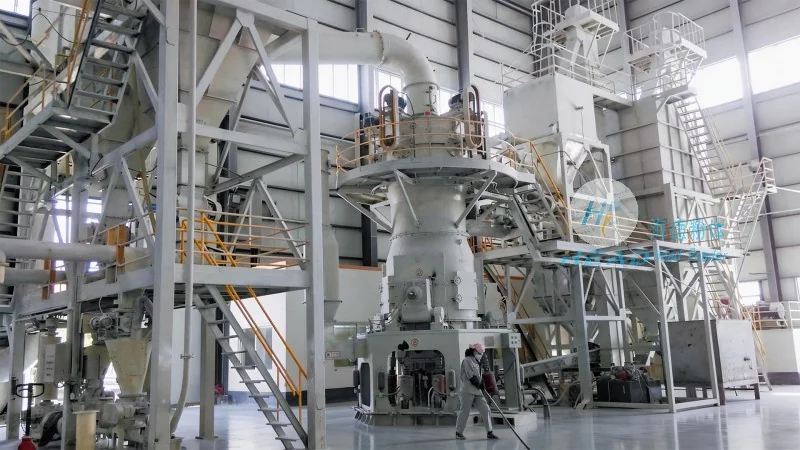
A cement fly ash material pneumatic conveying line is a specialized system that uses air pressure or vacuum to transport bulk materials like cement and fly ash. Unlike traditional mechanical conveying methods, which rely on belts, buckets, or screws, pneumatic conveying lines utilize air flow to move materials through a network of pipes. This method is particularly effective for handling fine powders and granular materials, as it minimizes material degradation and dust generation. The system typically includes components such as a hopper, feeder, air compressor, conveying pipes, and a receiver, all working in tandem to ensure smooth and continuous material transport.
Key Design Principles of the Pneumatic Conveying Line
The design of a cement fly ash material pneumatic conveying line is based on several critical principles to ensure optimal performance and reliability. First, the system must be designed to handle the specific properties of cement and fly ash, including their particle size, density, and moisture content. The air velocity within the conveying pipes is a key parameter, as it must be sufficient to overcome the material's resistance to flow while avoiding excessive energy consumption. Engineers often use the "critical velocity" concept, which is the minimum air speed required to keep the material suspended and moving through the pipe. Another important principle is the system's ability to handle variations in material flow rates, ensuring that the conveying line can adapt to changes in production demand without compromising efficiency.
Components and Their Functions in the Conveying System
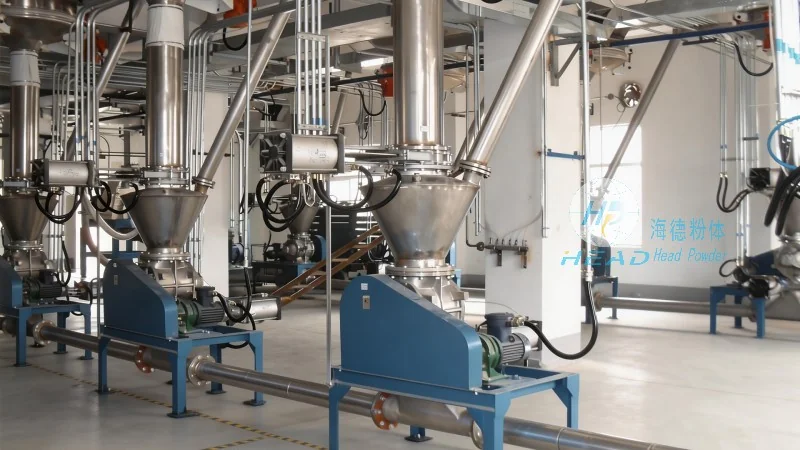
The effectiveness of a cement fly ash material pneumatic conveying line depends on the proper integration of several key components. The hopper serves as the storage and feeding unit, where the material is collected and then fed into the conveying line at a controlled rate. The feeder, often a rotary valve or a screw feeder, regulates the flow of material from the hopper to the air stream. The air compressor generates the necessary pressure or vacuum to move the material through the pipes. The conveying pipes are typically made of stainless steel or other corrosion-resistant materials to withstand the abrasive nature of cement and fly ash. The receiver is the final component, where the material is deposited after being transported through the line. Each component must be carefully selected and sized to ensure that the system operates efficiently and reliably over long periods.
Advantages of Using a Pneumatic Conveying Line for Cement and Fly Ash
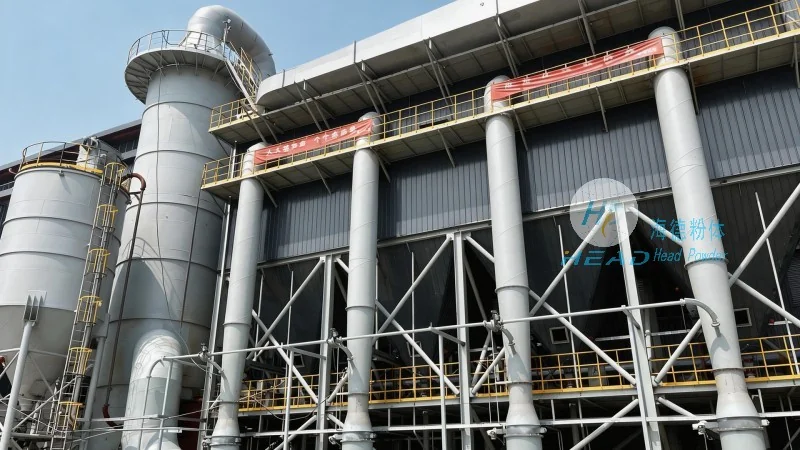
Implementing a cement fly ash material pneumatic conveying line offers several advantages over traditional conveying methods. One of the most significant benefits is the reduction in dust generation, which improves workplace safety and environmental compliance. Pneumatic systems also provide a more hygienic environment, as the material is contained within the pipes, preventing contamination from external sources. Additionally, these systems are more flexible in terms of layout, allowing for the installation of conveying lines in various configurations to fit the specific needs of a facility. The energy efficiency of pneumatic conveying, especially when using low-pressure systems, can also lead to cost savings over time. Furthermore, the system's ability to handle high volumes of material with minimal maintenance makes it a preferred choice for continuous production operations.
Application Scenarios and Operational Considerations
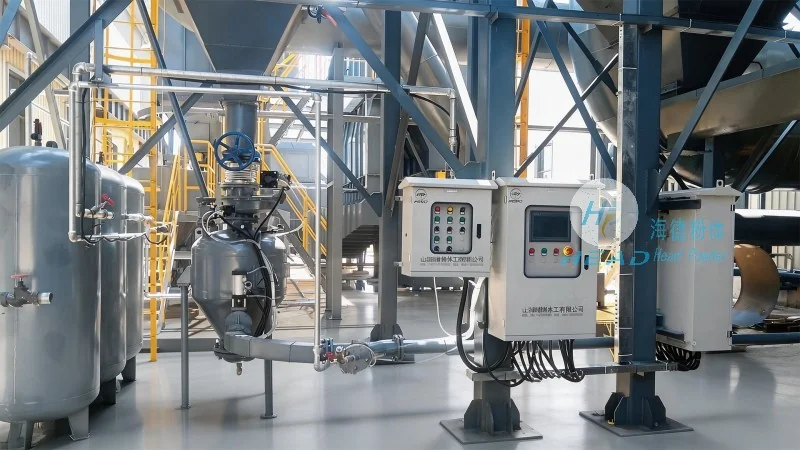
Cement fly ash material pneumatic conveying lines are widely used in the cement industry for transporting raw materials and finished products. They are commonly employed in cement plants to move fly ash from storage silos to the clinker grinding units or to other processing areas. The system can also be used in construction material manufacturing facilities to transport cement and fly ash to mixing stations or storage areas. Operational considerations for these systems include regular maintenance of the air compressor and conveying pipes to prevent blockages and ensure consistent performance. Monitoring the air pressure and flow rates is also essential to maintain optimal conveying efficiency. Additionally, the system must be designed to handle variations in material properties, such as changes in moisture content or particle size, which can affect the conveying performance.
About HeadPowder: A Leading Provider of Material Handling Solutions
HeadPowder, or Shandong HeadPowder Engineering Co., Ltd., is a professional manufacturer and supplier specializing in material handling equipment, including pneumatic conveying systems for cement and fly ash. With a focus on innovation and quality, HeadPowder has established itself as a trusted partner in the industry, providing customized solutions tailored to the specific needs of clients. The company's headquarters is located in Shandong, China, where it has a team of experienced engineers and technicians dedicated to research, development, and production. HeadPowder's commitment to excellence is reflected in its adherence to international standards and its ability to deliver reliable, efficient, and cost-effective pneumatic conveying lines to clients worldwide.