

What Are Automatic Material Handling Systems and Their Design Principles?
Automatic material handling systems are pivotal in modern industrial operations, serving as the backbone for efficient material movement, storage, and control within production environments. These systems are designed to enhance operational efficiency, cut labor costs, and boost overall productivity across sectors like manufacturing, warehousing, and logistics. Grasping the core components and design principles of these systems is vital for businesses aiming to refine their workflow processes.
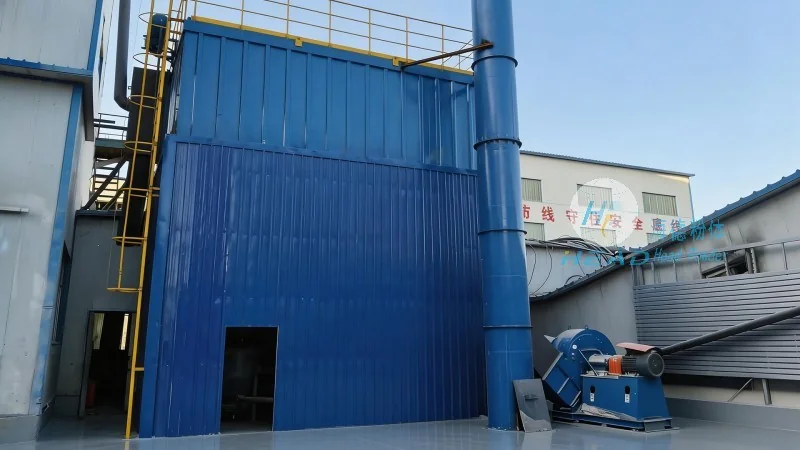
Core Components of Automatic Material Handling Systems
At the core of any automatic material handling system are several essential components that collaborate to achieve seamless material movement. These typically include conveyors, which transport items over short or long distances; automated storage and retrieval systems (AS/RS), which enable efficient storage and retrieval of goods from tall racks; and robotic arms or automated guided vehicles (AGVs), which handle tasks like picking, placing, and transporting items with precision. Each component is carefully chosen and integrated to meet the specific needs of the application, ensuring optimal performance and reliability.
Design Principles for Efficient Material Handling
The design of an automatic material handling system adheres to several fundamental principles aimed at maximizing efficiency and minimizing downtime. First, the system must be tailored to the characteristics of the materials being handled, such as weight, size, and shape. This involves selecting appropriate equipment, like belt conveyors for lightweight items or chain conveyors for heavier loads. Second, the layout of the system is critical; a well-planned layout minimizes the distance materials need to travel, reducing energy consumption and operational time. Third, integration with other production processes is essential. For instance, the system may be connected to a manufacturing line or a warehouse management system (WMS) to ensure smooth coordination between different stages of production. Finally, flexibility and scalability are key design considerations. As businesses grow or their needs change, the system should be able to adapt without requiring major overhauls, allowing for long-term investment returns.
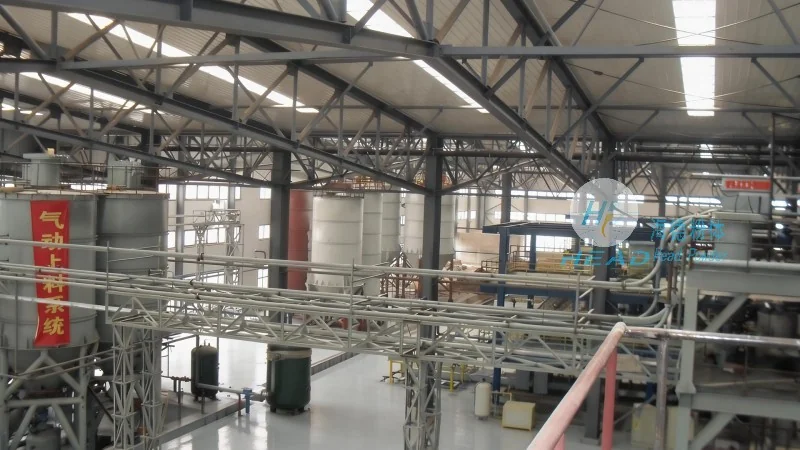
Applications and Benefits in Industrial Settings
Automatic material handling systems find widespread application across diverse industries, each reaping the benefits these systems offer. In manufacturing, they reduce manual labor by automating tasks such as part transfer between assembly lines, thereby increasing production speed and consistency. In warehousing, these systems improve order fulfillment rates by enabling faster picking and packing of goods, while also optimizing storage space utilization. The benefits extend beyond efficiency; these systems enhance workplace safety by reducing the risk of injuries associated with manual lifting and moving of heavy materials. Furthermore, by minimizing human intervention, they contribute to improved product quality and reduced errors in the handling process.
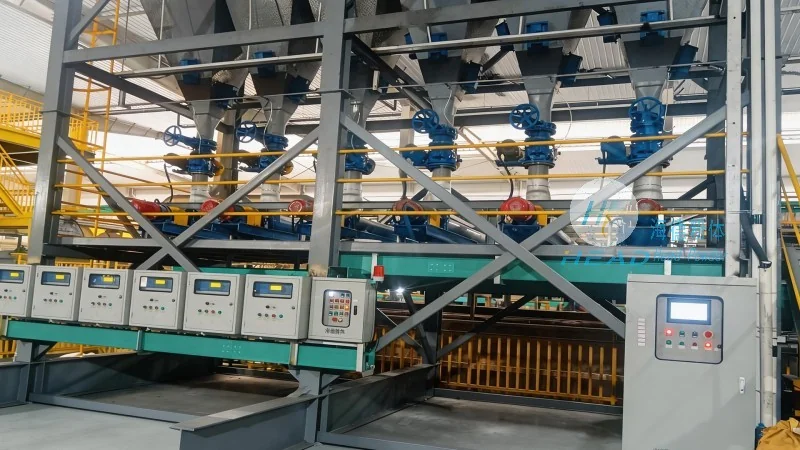
Customization and Integration with Existing Systems
One of the significant advantages of modern automatic material handling systems is their ability to be customized to meet unique business requirements. Companies like Shandong HeadPowder Engineering Co., Ltd. specialize in designing and implementing tailored solutions that integrate seamlessly with existing infrastructure. Whether retrofitting an existing warehouse with automated conveyors or designing a new system from the ground up, these solutions are built to align with the client's operational goals. The integration process involves careful consideration of existing equipment, software, and workflows to ensure a smooth transition without disrupting ongoing operations. This approach not only enhances the functionality of the material handling system but also maximizes the return on investment by leveraging existing resources effectively.
Future Trends and Advancements
As technology advances, automatic material handling systems are also evolving to incorporate more sophisticated features. The integration of artificial intelligence (AI) and machine learning (ML) enables systems to learn from operational data, optimizing performance over time. Additionally, the adoption of Internet of Things (IoT) devices allows for real-time monitoring and predictive maintenance, reducing downtime and maintenance costs. These advancements are paving the way for more intelligent and autonomous material handling solutions that can adapt to changing conditions and improve overall operational efficiency. For businesses aiming to stay competitive in today's market, investing in advanced material handling systems is increasingly critical.