

What is a Carboxymethyl Cellulose Material Conveying Line? What are its Design Principles?
Carboxymethyl cellulose (CMC) is a widely used chemical additive in various industries, including food, pharmaceuticals, and construction. When it comes to handling and transporting CMC materials, specialized equipment is essential to ensure efficiency, safety, and product integrity. A carboxymethyl cellulose material conveying line is a system designed to transport CMC powders or granules from one location to another within a production facility or processing plant. This system typically includes components such as hoppers, feeders, conveyors, and control systems, all working together to maintain consistent flow and minimize material loss.
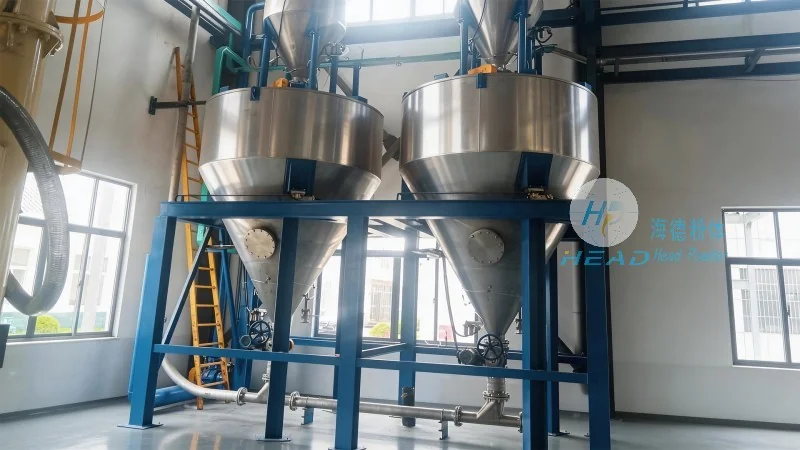
The design of a CMC material conveying line is based on several key principles that address the unique properties of CMC. First, the system must handle the material's tendency to stick or agglomerate, which can cause blockages or uneven flow. To mitigate this, the design incorporates features like vibration feeders, air knives, or rotary valves that prevent material buildup and ensure smooth transfer. Second, the conveying line must maintain the material's quality and prevent contamination. This involves using materials that are compatible with CMC, such as stainless steel or food-grade plastics, and implementing sealed systems to avoid exposure to moisture or other environmental factors.
Third, the design considers the need for scalability and flexibility. Many CMC processing facilities require the ability to adjust the conveying rate or change the material type without major modifications. Therefore, the system is often modular, allowing for easy integration of additional components or adjustments to the flow rate. Additionally, the control system plays a crucial role in optimizing the operation of the conveying line. Modern systems use sensors and automation to monitor flow rates, detect blockages, and adjust parameters in real-time, ensuring efficient and reliable operation.
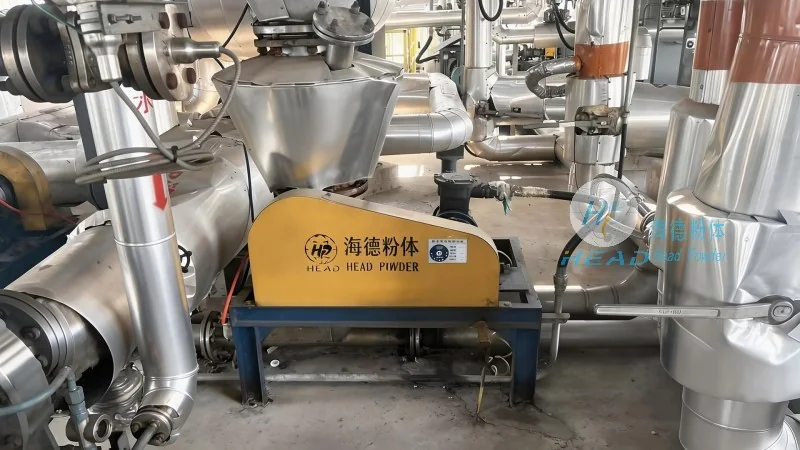
Shandong HeadPowder Engineering Co., Ltd.: Specializing in CMC Material Conveying Solutions
Shandong HeadPowder Engineering Co., Ltd., a leading manufacturer in the field, specializes in designing and manufacturing high-quality CMC material conveying lines. With years of experience in the industry, HeadPowder understands the specific challenges of handling CMC and has developed innovative solutions to address them. The company's products are engineered to meet the stringent requirements of various applications, from small-scale laboratory use to large-scale industrial production. Each conveying line is customized to the client's specific needs, ensuring optimal performance and cost-effectiveness.
Key Components of a CMC Material Conveying Line
Key components of a typical CMC material conveying line include a storage hopper, which holds the raw CMC material and provides a consistent feed to the system. The hopper is equipped with a level indicator to monitor the material volume and a discharge valve to control the flow rate. A feeder, such as a rotary valve or a vibratory feeder, then transports the material from the hopper to the conveyor. The conveyor itself can be a belt conveyor, screw conveyor, or pneumatic conveyor, depending on the material's characteristics and the distance to be covered. For CMC, which is often a fine powder, a screw conveyor or a pneumatic conveyor with a dust collection system is commonly used to prevent dust dispersion and maintain air quality.
Control Systems and Automation
Control systems are integral to the operation of the conveying line. These systems typically include a programmable logic controller (PLC) that manages the flow rate, monitors sensors for blockages or overfilling, and adjusts the feeder speed as needed. The PLC can also be integrated with a human-machine interface (HMI) that allows operators to monitor the system's status, adjust parameters, and receive alerts in case of issues. This level of automation ensures that the conveying line operates efficiently and safely, minimizing downtime and maximizing productivity.
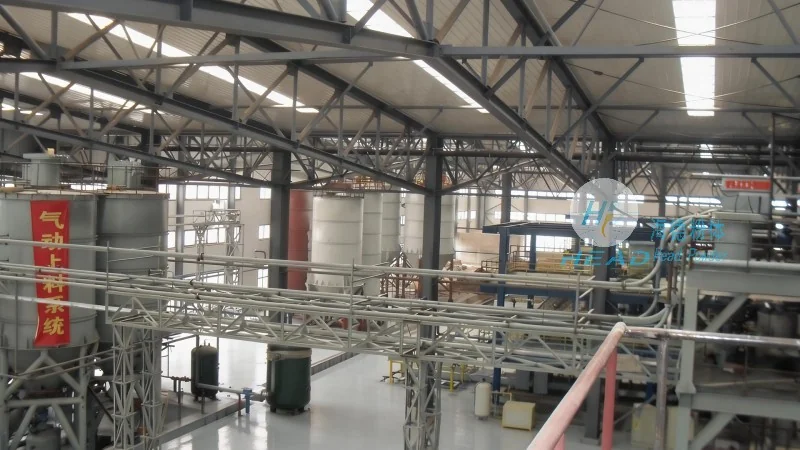
Factors to Consider When Selecting a CMC Conveying Line
When selecting a CMC material conveying line, several factors should be considered to ensure the best fit for the application. First, the material's properties, such as particle size, moisture content, and flowability, must be evaluated to determine the appropriate conveyor type and components. Second, the distance and elevation change between the start and end points of the conveying line need to be considered to select the right conveyor speed and power. Third, the required capacity and throughput must be matched with the system's capabilities to avoid overloading or underutilization. Finally, the environmental and safety requirements of the facility, such as dust control and explosion-proofing, should be addressed in the design.
Customized Solutions from Shandong HeadPowder
Shandong HeadPowder Engineering Co., Ltd. offers comprehensive solutions for CMC material handling, including the design, manufacturing, and installation of conveying lines. The company's team of engineers and technicians work closely with clients to understand their specific needs and develop customized solutions that meet their requirements. Whether it's a new installation or an upgrade to an existing system, HeadPowder provides expert guidance and support throughout the process. The company's commitment to quality and customer satisfaction has made it a trusted partner for many businesses in the CMC industry.