

What is a Glass Fiber Powder Material Conveying Line? And What Are Its Design Principles?
When it comes to the efficient handling and transportation of glass fiber powder, specialized equipment plays a crucial role in ensuring smooth operations. A glass fiber powder material conveying line is a system engineered to transport these fine powders from one location to another with precision and reliability. This article explores the fundamental aspects of such a system, including its design principles and the key components that contribute to its functionality, provided by Shandong HeadPowder Engineering Co., Ltd.
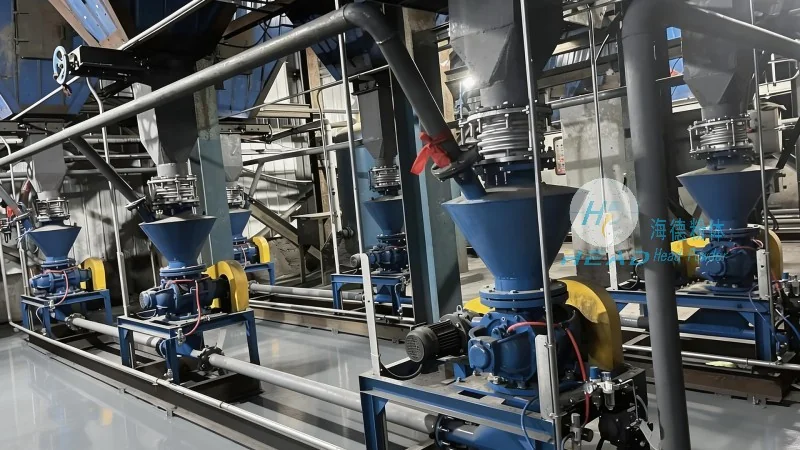
Understanding the Glass Fiber Powder Material Conveying Line
Glass fiber powder, known for its high strength and lightweight properties, is widely used in various industries, including composites, textiles, and construction. The need to move this material efficiently from storage to processing units has led to the development of specialized conveying systems. These lines are designed to handle the unique characteristics of glass fiber powder, such as its fine particle size, potential for static charge, and abrasive nature. The primary goal of a glass fiber powder conveying line is to ensure minimal loss, consistent flow, and safe operation throughout the material handling process.
Key Components of a Glass Fiber Powder Conveying System
The design of a glass fiber powder material conveying line typically involves several interconnected components that work in harmony to achieve optimal performance. These components include:
1. Feeding Hoppers: These are used to store and feed the glass fiber powder into the conveying system. They are often equipped with level sensors and flow control mechanisms to regulate the material flow and prevent overloading or underfeeding.
2. Conveying Equipment: This is the core of the system, responsible for moving the powder through the line. Common types of conveying equipment include screw conveyors, pneumatic conveyors, and bucket elevators. The choice of equipment depends on factors like the material's properties, the distance to be covered, and the required flow rate.
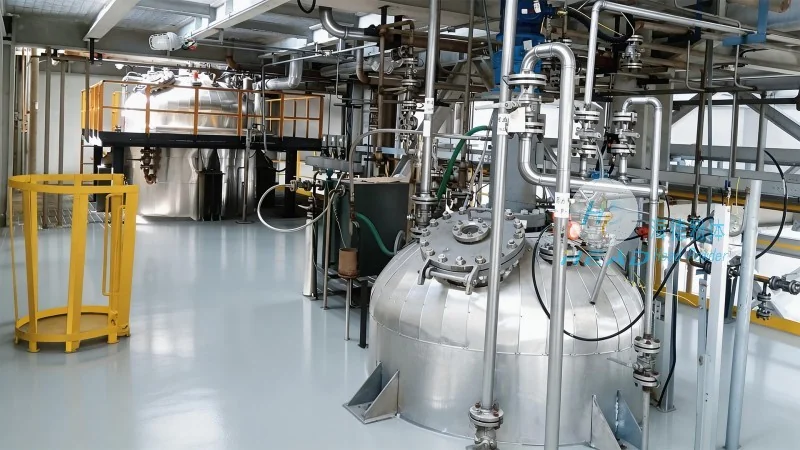
3. Valves and Controls: These components regulate the flow of the powder at different points in the system. They ensure that the material is directed correctly and can be stopped or adjusted as needed. Proper control mechanisms are essential for maintaining consistent flow and preventing blockages.
4. Filters and Dust Collectors: Glass fiber powder can generate dust during handling, which poses health and safety risks. Therefore, dust collection systems are integrated into the design to capture and filter the airborne particles, ensuring a clean and safe working environment.
Design Principles for Optimal Performance
The design of a glass fiber powder material conveying line follows several key principles to ensure efficiency, reliability, and safety. These principles are tailored to the unique characteristics of glass fiber powder and the operational requirements of the end-user.
First, the system must be designed to minimize material degradation. Glass fiber powder is sensitive to friction and impact, which can cause the fibers to break or agglomerate. Therefore, components like hoppers and conveyors are often lined with materials that reduce friction, such as rubber or polyurethane. Smooth surfaces and gentle handling mechanisms are also employed to prevent damage to the powder.
Second, the system must address the issue of static electricity. Glass fiber powder is prone to generating static charges, which can lead to material buildup and even fire hazards. To mitigate this, anti-static additives may be incorporated into the powder or the system may include grounding mechanisms and ionizers to dissipate the charge.
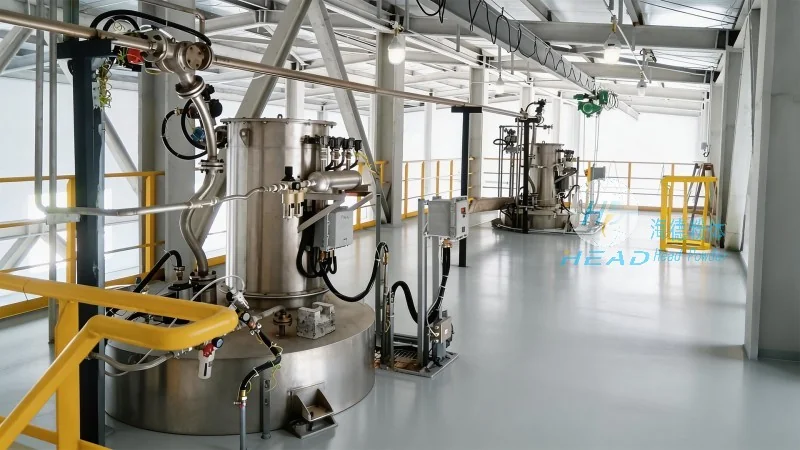
Third, the design must consider the flow characteristics of the powder. The system is engineered to maintain a consistent flow rate, avoiding surges or backflow that could cause blockages or damage to equipment. This is achieved through proper sizing of components, such as the diameter of screw conveyors or the size of air ducts in pneumatic systems.
Fourth, the system must prioritize safety and operational efficiency. This includes features like emergency stop buttons, overload protection, and monitoring systems that provide real-time data on the system's performance. Regular maintenance and cleaning protocols are also integral to the design to ensure long-term reliability.
Applications and Benefits
Glass fiber powder material conveying lines are used in a variety of industrial applications where the efficient handling of fine powders is critical. These systems are commonly found in manufacturing plants that produce composite materials, fiberglass products, and other glass-based items. The benefits of using such a system include improved productivity, reduced material loss, lower labor costs, and enhanced safety in the workplace.
By adhering to the design principles outlined above, these conveying lines can effectively handle glass fiber powder, ensuring that it reaches its destination in a clean, consistent, and safe manner. The result is a more efficient production process and a higher quality end product.