

What is a Nano Calcium Carbonate Material Handling Line? What are the Design Principles?
When it comes to the efficient processing and transportation of nano calcium carbonate, specialized equipment is essential to ensure optimal performance and product quality. A nano calcium carbonate material handling line is a comprehensive system designed to handle, transport, and manage this fine powder material. This article will explore the key aspects of such a line, including its design principles and the critical components that contribute to its effectiveness.
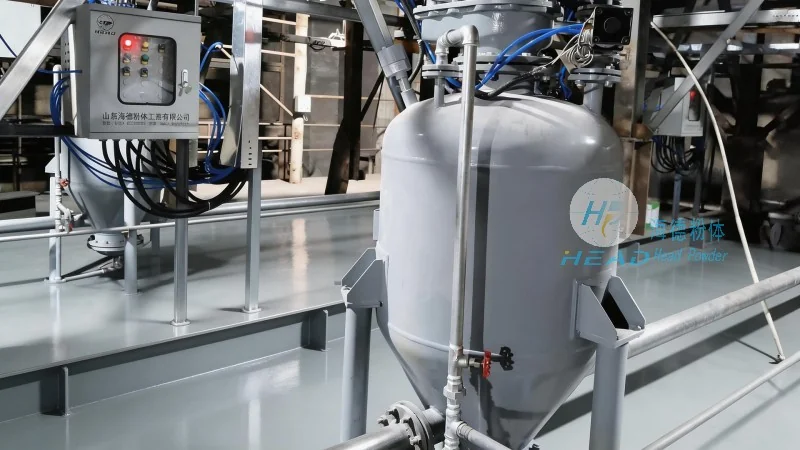
Introduction to Nano Calcium Carbonate Material Handling Lines
Nano calcium carbonate, often used as a filler or reinforcement in various industries such as plastics, coatings, and paper, requires precise handling due to its fine particle size and potential for dust generation. A dedicated material handling line is crucial to maintain the integrity of the material and ensure smooth operation in production processes. These systems are engineered to address the unique challenges posed by nano calcium carbonate, including dust control, particle flow management, and consistent material delivery to downstream equipment.
About HeadPowder: Shandong HeadPowder Engineering Co., Ltd.
HeadPowder, or Shandong HeadPowder Engineering Co., Ltd., is a leading manufacturer specializing in engineering solutions for material handling and processing equipment. With a focus on innovation and quality, the company has established itself as a trusted partner in the industry. HeadPowder is headquartered in Shandong, China, and provides tailored solutions for various material handling needs, including those for nano calcium carbonate applications. The company's expertise lies in designing and manufacturing equipment that meets the stringent requirements of modern production environments.
Design Principles of a Nano Calcium Carbonate Material Handling Line
The design of a nano calcium carbonate material handling line is guided by several fundamental principles aimed at ensuring efficiency, safety, and product integrity. Key design considerations include:
1. Material Flow Optimization: The system is designed to minimize material degradation and ensure consistent flow rates. This involves selecting appropriate conveyor types, such as screw conveyors or pneumatic systems, and incorporating components like feeders and chutes to control the flow of fine particles. Properly designed hoppers and feed mechanisms are critical to prevent bridging or clogging, which can occur with nano-sized powders.
2. Dust Control and Environmental Safety: Due to the fine nature of nano calcium carbonate, dust generation is a significant concern. The design incorporates dust collection systems, sealed enclosures, and filtration units to maintain a clean working environment and comply with environmental regulations. This not only protects workers but also prevents material loss and contamination.
3. Equipment Integration and Automation: Modern material handling lines for nano calcium carbonate often include automated controls and integration with other production equipment. This allows for real-time monitoring of material levels, flow rates, and system performance. Automation enhances operational efficiency, reduces human error, and ensures consistent product quality. The control systems may include sensors, variable frequency drives (VFDs), and programmable logic controllers (PLCs) to manage the entire process.
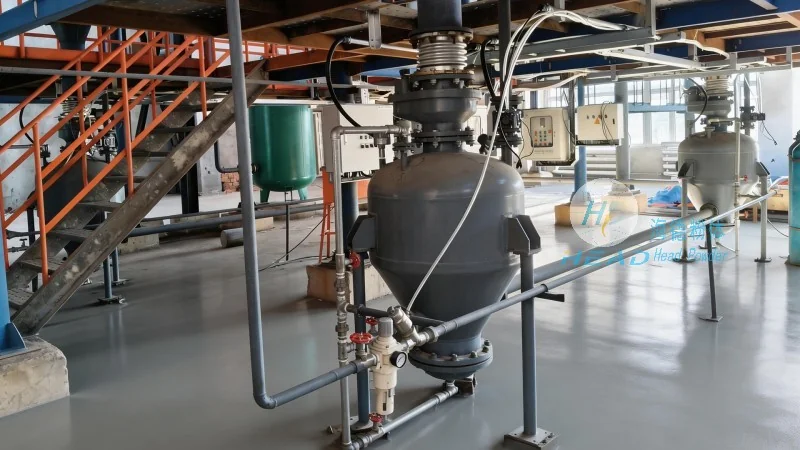
4. Material Handling and Storage Solutions: The line typically includes storage silos or hoppers designed to hold the nano calcium carbonate securely. These storage units are equipped with level indicators and discharge mechanisms to facilitate smooth material transfer to the processing equipment. The design of these storage vessels is crucial to prevent material degradation and ensure easy access for maintenance and cleaning.
Key Components in a Nano Calcium Carbonate Material Handling Line
A nano calcium carbonate material handling line consists of several interconnected components, each playing a vital role in the overall operation. The primary components include:
1. Feeding and Metering Equipment: This includes feeders and hoppers that control the flow of nano calcium carbonate from storage to the processing line. Proper metering ensures consistent material delivery, which is essential for maintaining product quality and process stability.
2. Conveying Systems: Conveyors, such as screw conveyors or pneumatic transport systems, are used to move the nano calcium carbonate from one stage of the process to another. Screw conveyors are commonly used for horizontal or slight incline transport, while pneumatic systems are suitable for longer distances or when the material needs to be transported in a closed system.
3. Dust Collection and Filtration: To manage dust and maintain a safe working environment, the line includes dust collection systems. These systems capture airborne particles and filter them before releasing air back into the environment. High-efficiency particulate air (HEPA) filters are often used to ensure that only clean air is discharged.
4. Control and Monitoring Systems: Modern lines are equipped with advanced control systems that monitor various parameters, including material levels, flow rates, and system performance. These systems allow for real-time adjustments and help prevent issues such as overfilling or underflow.
Benefits of Using a Nano Calcium Carbonate Material Handling Line
Implementing a dedicated material handling line for nano calcium carbonate offers several benefits that enhance overall production efficiency and product quality. Some of the key advantages include:
1. Improved Process Efficiency: By streamlining the handling and transportation of nano calcium carbonate, the line reduces downtime and increases production throughput. Consistent material flow ensures that downstream equipment operates at optimal levels, minimizing bottlenecks.
2. Enhanced Product Quality: The design of the material handling line minimizes material degradation and contamination, which is critical for maintaining the quality of nano calcium carbonate. This ensures that the final product meets the required specifications and performance standards.
3. Reduced Labor and Maintenance Costs: Automation and integrated systems reduce the need for manual intervention, lowering labor costs and minimizing the risk of human error. Additionally, the robust design of the equipment reduces maintenance requirements and extends the lifespan of the system.
4. Compliance with Safety and Environmental Regulations: The line is designed to comply with industry standards and regulations regarding dust control and environmental safety. This helps companies avoid penalties and maintain a safe working environment for their employees.
Conclusion
A nano calcium carbonate material handling line is a sophisticated system that plays a crucial role in the efficient processing of this fine powder material. By adhering to key design principles and incorporating advanced components, such lines ensure consistent performance, product quality, and operational safety. Companies like Shandong HeadPowder Engineering Co., Ltd. specialize in providing tailored solutions that meet the specific needs of their clients, helping them achieve optimal results in their production processes.