

What is a Glass-Blasted Microsphere Material Conveying Line? An Overview of Design Principles
Glass-blasted microspheres are a specialized material widely used in construction, insulation, and industrial applications due to their lightweight, high strength, and excellent thermal insulation properties. The efficient handling of these microspheres is critical for processing facilities, and the material conveying line designed to transport them is a sophisticated system that integrates multiple engineering components. This article delves into the functionality of such a conveying line and explores the fundamental design principles that ensure its effectiveness in material transport and processing.
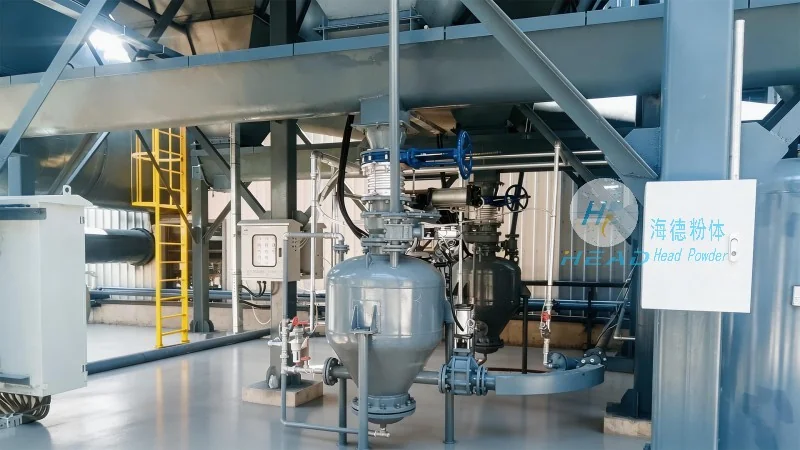
About Shandong HeadPowder Engineering Co., Ltd.
HeadPowder, a prominent engineering company based in Shandong, China, specializes in the design and manufacturing of material handling systems. With years of experience in the industry, HeadPowder has established itself as a trusted provider of equipment tailored to the unique demands of material processing. The company's commitment to quality and innovation is reflected in its ability to develop conveying lines that meet the highest standards of performance, safety, and durability. HeadPowder's team of skilled engineers and technicians work closely with clients to understand their specific requirements and deliver customized solutions that enhance operational efficiency.
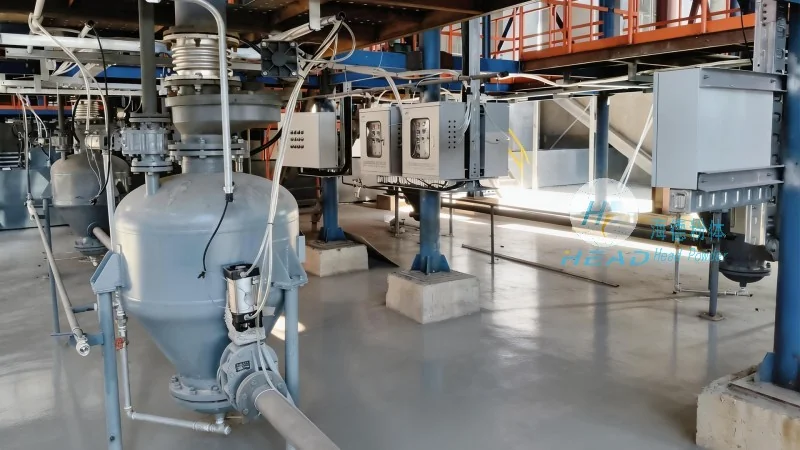
Key Components of a Glass-Blasted Microsphere Conveying Line
The glass-blasted microsphere material conveying line typically comprises several interconnected components, each playing a crucial role in the material's movement and processing. The primary components include feeders, conveyor mechanisms (such as belts or screw conveyors), dust collection systems, and control units. The feeders are engineered to uniformly distribute the microspheres into the conveying system, ensuring consistent flow rates and preventing material buildup at the entry point. Conveyor belts or screw conveyors then transport the microspheres through the system, with the choice of mechanism influenced by factors like material characteristics, required throughput, and space constraints. Dust collection systems are integral to maintaining air quality and preventing the accumulation of fine particles, which is essential for both occupational safety and equipment longevity. Control units allow operators to monitor and adjust system parameters in real-time, enabling precise control over speed, pressure, and material flow to optimize performance and prevent operational issues.
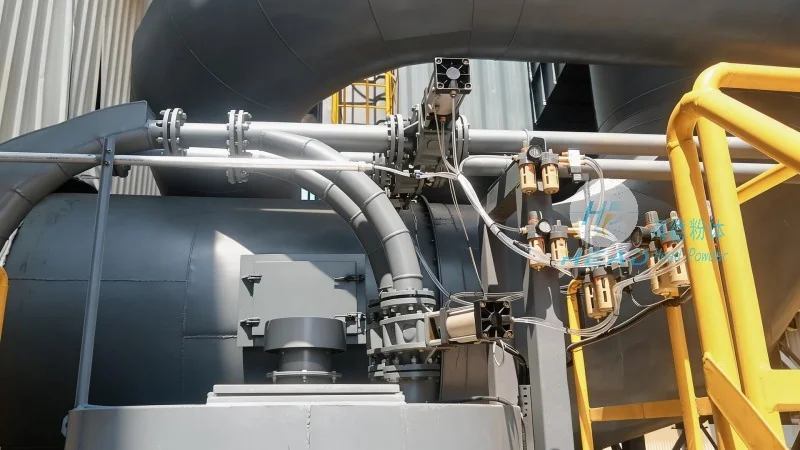
Design Principles for Efficient Material Handling
The design of a glass-blasted microsphere material conveying line is guided by several key principles aimed at maximizing efficiency, reliability, and safety. One of the primary design considerations is the minimization of material degradation during transport. This is achieved through the use of smooth, non-abrasive surfaces in conveyor components, which reduces friction and prevents the microspheres from breaking or becoming damaged. Another critical principle is the prevention of clogging, a common issue with fine materials like glass-blasted microspheres. The system incorporates features such as adjustable speed controls, anti-clogging mechanisms, and regular cleaning protocols to ensure continuous operation without interruptions. Energy efficiency is also a key design focus, with components optimized to reduce power consumption while maintaining high throughput. The integration of advanced materials and engineering techniques ensures that the conveying line can handle the unique properties of glass-blasted microspheres, including their low density and lightweight nature, without compromising performance. Additionally, the design prioritizes safety by incorporating features like emergency stop buttons, dust suppression systems, and regular maintenance schedules to minimize risks and ensure compliance with industry standards.
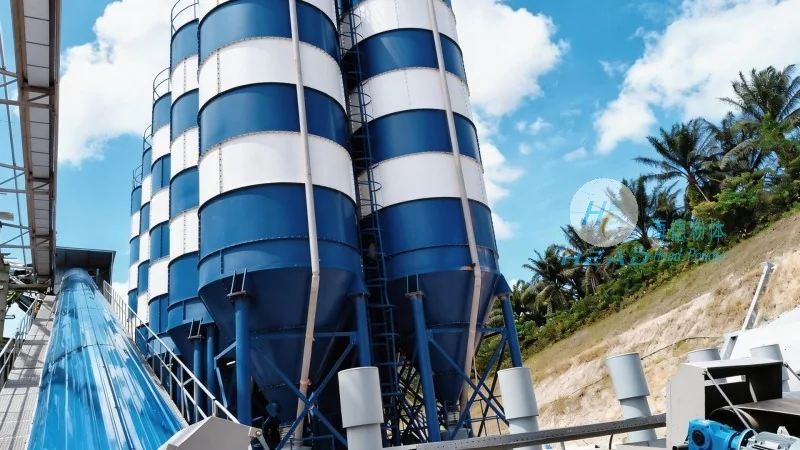
Operational Considerations and Maintenance
Effective operation of a glass-blasted microsphere material conveying line requires careful attention to operational factors and regular maintenance to ensure optimal performance and longevity. Regular maintenance is essential to prevent equipment failure and maintain efficiency. This includes routine inspections of conveyor components for wear and tear, cleaning of dust collection systems to prevent blockages, and checking control panels for any signs of malfunction. Proper training of operators is also crucial, as they need to understand the system's controls, safety protocols, and troubleshooting procedures to respond effectively to any issues that may arise. The system's design should also accommodate variations in material feed, such as changes in moisture content or particle size, to maintain consistent operation. By adhering to these operational considerations and maintenance schedules, users can maximize the efficiency, reliability, and lifespan of their conveying line, ensuring it continues to meet the demands of their material processing needs.