

What is Organic Fertilizer Granule Material Conveying? What Are the Design Principles?
Organic fertilizer granule material conveying systems are essential in modern agricultural and industrial applications, facilitating the efficient transport of granular organic fertilizers from production sites to storage or application areas. These systems are designed to handle the unique characteristics of organic fertilizer granules, such as their size, density, and flowability, ensuring reliable and consistent material handling. Understanding the design principles behind these conveying systems is crucial for optimizing performance, minimizing operational costs, and enhancing overall efficiency in fertilizer processing and distribution.
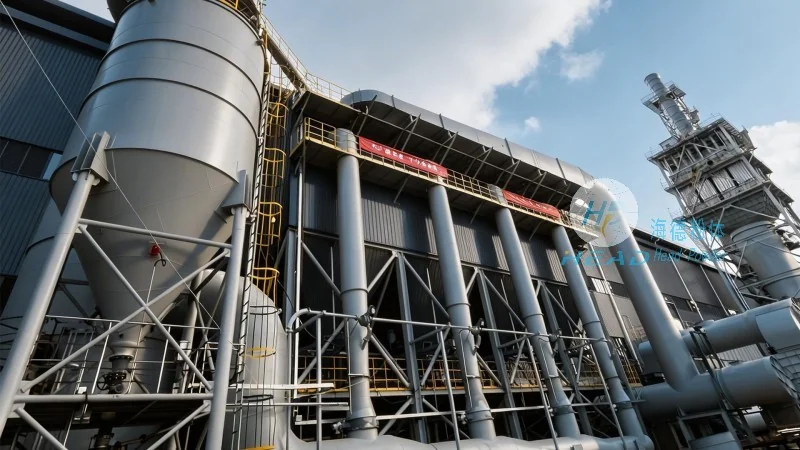
HeadPowder, a leading manufacturer based in Shandong, China, specializes in the design and production of advanced material conveying solutions tailored for organic fertilizer industries. With years of experience in engineering and manufacturing, HeadPowder has developed innovative systems that address the specific challenges of granule handling, including dust control, material segregation, and energy efficiency. The company's commitment to quality and customer satisfaction has established it as a trusted partner in the fertilizer processing sector.
Key Design Principles for Organic Fertilizer Granule Conveying
The design of organic fertilizer granule conveying systems involves several critical principles that ensure optimal performance and durability. One of the primary considerations is the selection of appropriate conveying equipment, such as screw conveyors, belt conveyors, or pneumatic conveyors, based on the specific properties of the fertilizer granules. Screw conveyors, for instance, are commonly used for horizontal or slightly inclined transport due to their ability to handle a wide range of materials without the need for additional components. They are particularly effective for organic fertilizers with moderate flowability, as the rotating screw pushes the material forward, minimizing blockages and ensuring smooth operation.
Belt conveyors are another popular choice, especially for longer horizontal distances or when transporting larger quantities of granules. These systems utilize a continuous belt that moves the material along a fixed path, providing high capacity and low maintenance requirements. The design of belt conveyors includes features like adjustable speed controls, idler rollers, and tensioning mechanisms to accommodate varying load conditions and prevent belt slippage. For organic fertilizers that are prone to dust generation, belt conveyors can be equipped with dust suppression systems, such as covers or seals, to maintain a clean and safe working environment.
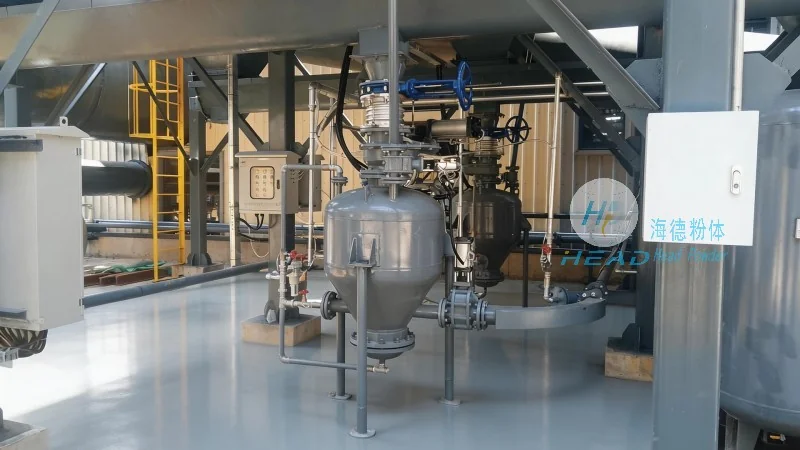
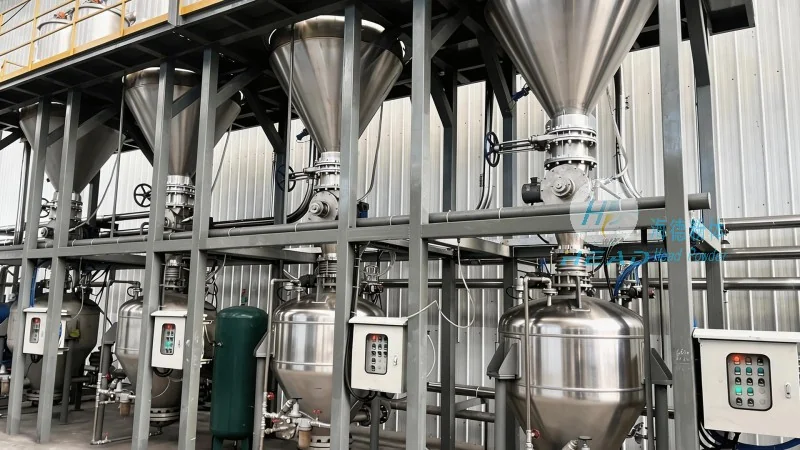
Pneumatic conveyors, or air-powered systems, are ideal for applications requiring high flexibility and minimal material contact. These systems use compressed air to transport granules through a pipeline, making them suitable for vertical or complex routing. Pneumatic conveyors are particularly effective for handling fine or dusty organic fertilizers, as the air flow helps to keep the material suspended and prevents clogging. However, they require careful design to manage air pressure and flow rates, ensuring efficient transport without excessive energy consumption.
Material Handling Considerations in Organic Fertilizer Conveying
When designing organic fertilizer granule conveying systems, several material handling considerations must be taken into account to ensure reliable operation. The first is the physical properties of the fertilizer granules, including their size distribution, density, and moisture content. These factors influence the flowability and bulk density of the material, which in turn affect the conveying speed and equipment selection. For example, granules with a wide size range may require additional screening or separation before conveying to prevent blockages in the system.
Another critical consideration is the potential for material segregation. Organic fertilizers often contain different components, such as nutrients, additives, or inert materials, which can separate during transport if not properly managed. To address this, conveying systems may include features like mixing sections or agitators to maintain a uniform blend. Additionally, the design of the conveyor's inlet and outlet can be optimized to minimize segregation, ensuring consistent material composition throughout the process.
Dust control is a significant challenge in organic fertilizer conveying, as the granules can generate fine particles that pose health and safety risks. Effective dust suppression measures, such as enclosed systems, dust collection hoods, and filtration units, are essential to maintain a safe working environment. These measures not only protect personnel but also prevent material loss and contamination, which can impact the quality of the final product. HeadPowder incorporates advanced dust control technologies in its conveying systems, ensuring compliance with environmental and occupational safety regulations.
Energy Efficiency and Maintenance in Conveying Systems
Energy efficiency is a key factor in the design of organic fertilizer granule conveying systems, as it directly impacts operational costs and environmental sustainability. Modern systems incorporate energy-saving features, such as variable speed drives (VSDs), which adjust the motor speed based on the load, reducing energy consumption during low-demand periods. Additionally, the selection of appropriate materials for conveyor components, such as corrosion-resistant metals or high-strength plastics, minimizes wear and tear, extending the system's lifespan and reducing maintenance requirements.
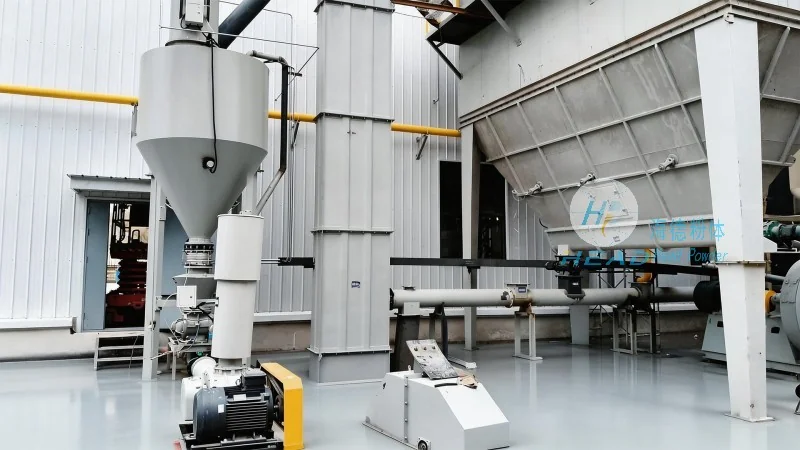
Maintenance is another critical aspect of conveying system design. Regular maintenance, including inspections, lubrication, and component replacement, is essential to ensure consistent performance and prevent unexpected downtime. HeadPowder's systems are designed with accessibility in mind, allowing for easy maintenance and repair. The company provides comprehensive maintenance services and spare parts support to help customers optimize the performance and longevity of their conveying equipment.
Applications and Benefits of Organic Fertilizer Conveying
Organic fertilizer granule conveying systems are widely used in various applications within the agricultural and industrial sectors. In fertilizer production facilities, these systems transport raw materials from storage to processing units and finished products from production lines to storage or distribution centers. In agricultural settings, they are used to move organic fertilizers from storage to application equipment, such as spreaders or injectors, ensuring efficient and uniform nutrient distribution in fields.
The benefits of using advanced conveying systems for organic fertilizers are numerous. These systems enhance operational efficiency by reducing labor costs and minimizing material loss. They also improve product quality by maintaining consistent material composition and preventing contamination. Additionally, energy-efficient designs contribute to lower operational costs and reduced environmental impact, aligning with sustainability goals in the industry.