

What is Foam Plastic Material Handling? What Are the Design Principles?
For industries dealing with foam plastic materials, efficient material handling is crucial to ensure smooth production processes and maintain product quality. Foam plastic material handling refers to the methods and systems used to transport, store, and manage foam plastic products and raw materials. This process involves various equipment and techniques tailored to the unique properties of foam plastics, such as their lightweight, flexible, and sometimes irregular shapes. Understanding the principles behind foam plastic material handling is essential for optimizing workflow and reducing operational costs.
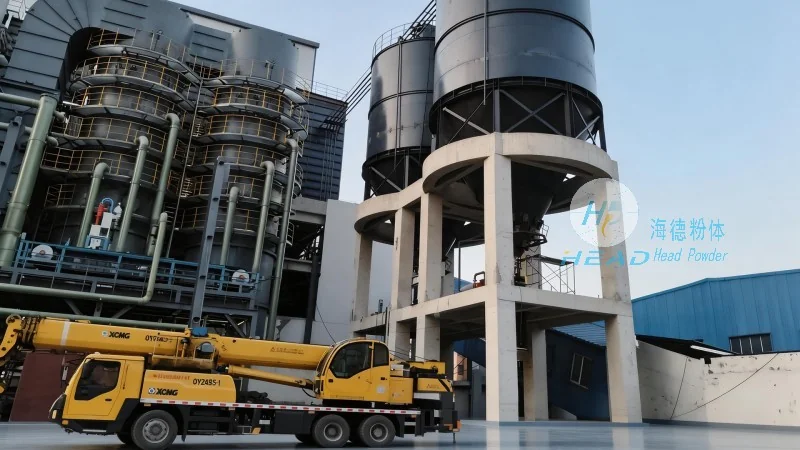
Understanding Foam Plastic Material Handling
Foam plastic material handling encompasses a range of activities, from the initial receipt of raw foam materials to the final delivery of finished products. The process typically includes tasks like loading, unloading, sorting, and transferring foam plastic items. Due to the soft and compressible nature of foam plastics, traditional handling methods may not be suitable. Specialized equipment and techniques are often required to prevent damage, maintain material integrity, and ensure safe operation. This includes using conveyor systems, lifting devices, and storage solutions designed specifically for foam materials.
The Core Design Principles of Foam Plastic Material Handling
Designing an effective foam plastic material handling system requires careful consideration of several key principles. First, the system must accommodate the physical properties of foam plastics, including their low density and potential for deformation. This means selecting equipment that can handle lightweight loads without excessive energy consumption or mechanical stress. Second, the design should prioritize efficiency and throughput, minimizing downtime and maximizing production speed. This involves optimizing the layout of handling equipment, streamlining material flow, and integrating automation where possible. Third, safety is a critical consideration, as foam plastics can pose risks during handling, such as dust generation or material collapse. Proper safety measures, including ventilation systems and protective equipment, must be incorporated into the design.
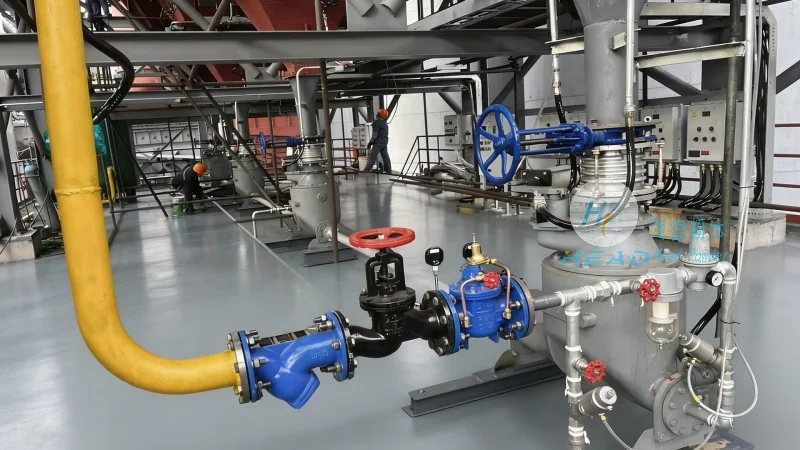
Equipment Used in Foam Plastic Material Handling
Several types of equipment are commonly used in foam plastic material handling systems. Conveyor belts are widely used for transporting foam items over short to medium distances. These can be customized with soft or flexible belts to prevent damage to the foam. Pneumatic conveying systems are another option, especially for lightweight foam particles or granules, allowing for efficient and dust-free transport. For lifting and moving larger foam pieces, hydraulic or electric lifts, and forklifts equipped with specialized attachments are often employed. Storage solutions, such as bulk containers or pallet racking, are also essential to organize foam materials and facilitate easy access during production.
Applications and Industries
Foam plastic material handling is essential in various industries that utilize foam products. These include packaging, where foam is used for cushioning and protective packaging. The automotive industry relies on foam for interior components, seating, and insulation. The construction sector uses foam for insulation and soundproofing materials. Additionally, the medical and consumer goods industries use foam in products like mattresses, cushions, and protective gear. Each industry has specific requirements for material handling, which may involve different equipment and processes tailored to their unique foam applications.
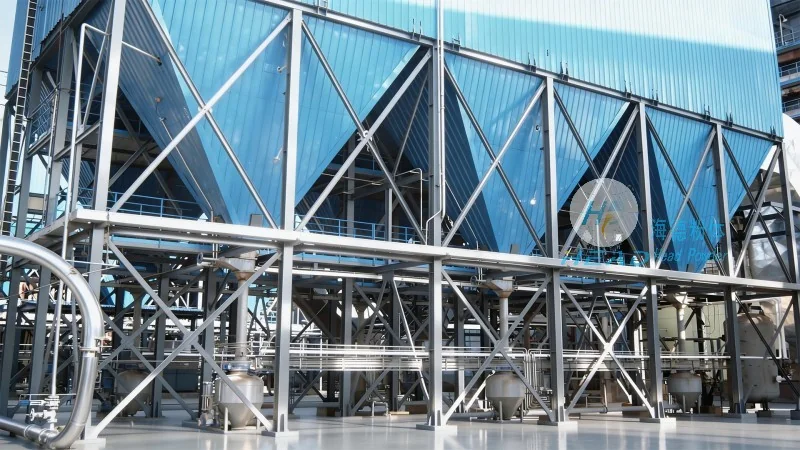
Optimizing Material Handling for Foam Plastics
Optimizing foam plastic material handling involves continuous evaluation and improvement of the system. Regular maintenance of equipment is crucial to prevent breakdowns and ensure consistent performance. Training operators on proper handling techniques helps minimize damage and improve efficiency. Additionally, adopting advanced technologies, such as sensors and automation, can enhance the accuracy and speed of material handling. By implementing these strategies, companies can reduce waste, lower operational costs, and improve overall productivity in their foam plastic production processes.
Conclusion
Foam plastic material handling is a specialized field that requires a deep understanding of both the material properties and the design principles of handling systems. By selecting appropriate equipment, optimizing workflow, and prioritizing safety, industries can achieve efficient and effective material handling. As the demand for foam plastic products continues to grow, the importance of well-designed material handling systems will only increase. Companies like Shandong HeadPowder Engineering Co., Ltd., based in China, specialize in providing tailored solutions for foam plastic material handling, helping businesses streamline their operations and meet their production goals.