

What is Small Bag Quantitative Feeding Material Conveying? And What Are Its Design Principles?
Small bag quantitative feeding material conveying is a specialized industrial process designed to handle and transport bulk materials from small bags with precise measurement and controlled flow. This method is widely used in various industries such as pharmaceuticals, chemicals, food processing, and manufacturing, where accurate material dosing is critical for production efficiency and product quality. The system typically involves automated mechanisms to open small bags, extract the material in measured quantities, and deliver it to the processing equipment or storage areas. By ensuring consistent and reliable material delivery, small bag quantitative feeding systems help maintain uniform product characteristics and reduce waste.

Understanding Small Bag Quantitative Feeding Material Conveying
At its core, small bag quantitative feeding material conveying refers to the technology and equipment used to handle bulk materials packaged in small bags. The process begins with the placement of the bag into the feeding system, where it is securely positioned and opened. The system then uses a combination of mechanical and pneumatic components to extract the material in pre-determined quantities. This is often achieved through a hopper or a feeding chute that regulates the flow rate, ensuring that the material is dispensed at a consistent rate. The design of the system is tailored to the specific characteristics of the material, such as its density, flowability, and potential for caking or bridging, to maintain optimal performance.
The Role of Precision in Material Handling
Precision is a fundamental aspect of small bag quantitative feeding material conveying. The system must accurately measure and dispense the material to meet the required production specifications. This is typically achieved through the integration of sensors, such as load cells or flow meters, which provide real-time feedback on the material quantity being delivered. The control system adjusts the feeding rate based on these inputs, ensuring that the output matches the desired target. For example, in pharmaceutical applications, where the dosage of active ingredients is critical, the system must maintain tight tolerances to avoid over or under-dosing. This level of precision is essential for meeting regulatory standards and ensuring product safety.
Design Principles for Efficient Material Conveying
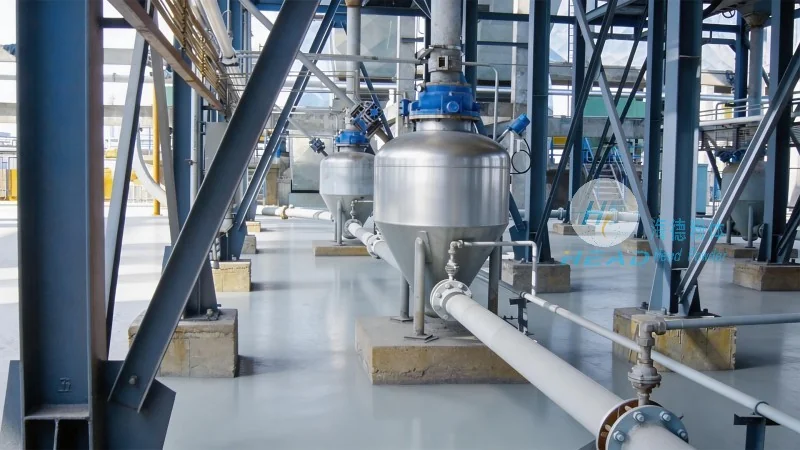
The design of small bag quantitative feeding material conveying systems follows several key principles to ensure reliability, efficiency, and safety. First, the system must be able to handle a wide range of bag sizes and types, from standard polyethylene bags to more specialized packaging. This requires flexible feeding mechanisms, such as adjustable clamps or bag openers, that can accommodate different bag dimensions. Second, the system should minimize material degradation or contamination. This is achieved through the use of stainless steel components, which are resistant to corrosion and easy to clean, and by designing the feeding path to avoid excessive friction or impact on the material. Third, the system must be equipped with safety features to protect operators and prevent material spills or blockages. These may include emergency stop buttons, overload protection, and visual or audible alarms.
Company Overview: Shandong HeadPowder Engineering Co., Ltd.
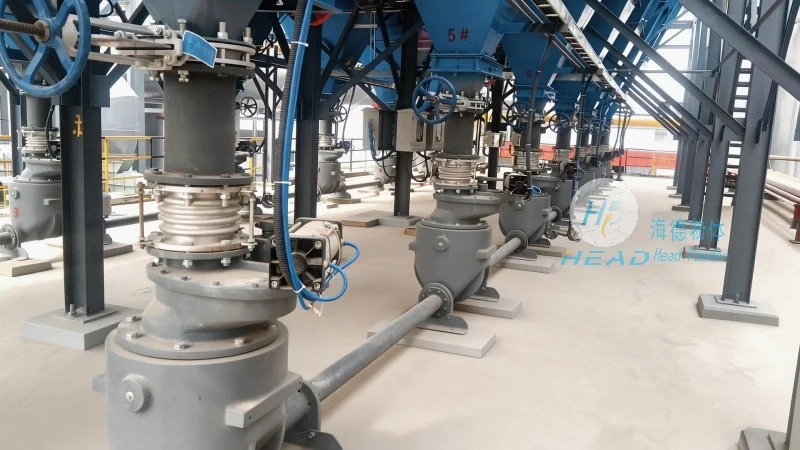
Shandong HeadPowder Engineering Co., Ltd., commonly known as HeadPowder, is a leading manufacturer and supplier of material handling equipment, including small bag quantitative feeding systems. HeadPowder is headquartered in Shandong, China, and has established itself as a trusted partner for industries requiring high-precision material processing solutions. The company specializes in designing and manufacturing customized systems that meet the unique needs of its clients, from small-scale operations to large industrial facilities. HeadPowder's products are known for their durability, reliability, and advanced technology, which help improve production efficiency and reduce operational costs. The company's commitment to quality and innovation has made it a preferred choice for businesses in pharmaceuticals, chemicals, food, and other sectors where material accuracy is paramount.
Applications and Benefits of Small Bag Quantitative Feeding Systems
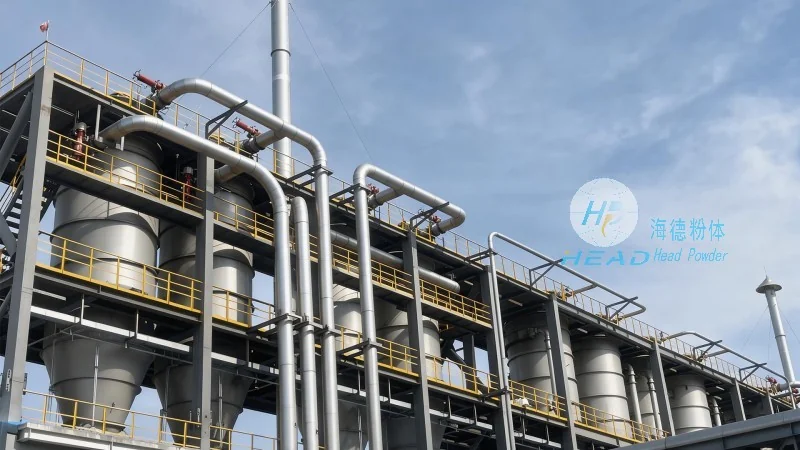
Small bag quantitative feeding material conveying systems are used in a variety of applications across different industries. In the pharmaceutical industry, they are used to handle active pharmaceutical ingredients (APIs) and excipients, ensuring that the correct dosage is delivered to the production line. In the chemical industry, they are used to feed raw materials into reactors or mixers, maintaining consistent reaction conditions. In food processing, they are used to handle ingredients such as powders, grains, and spices, ensuring that the final product meets quality standards. The benefits of using these systems include improved production efficiency, reduced material waste, and enhanced product quality. By automating the material feeding process, businesses can reduce labor costs and minimize human error, leading to higher overall productivity.
Future Trends and Innovations in Material Conveying
As technology advances, small bag quantitative feeding material conveying systems are evolving to incorporate more advanced features. One trend is the integration of IoT (Internet of Things) technology, which allows for remote monitoring and control of the system. This enables operators to track performance metrics, receive alerts for maintenance, and adjust settings from a central location. Another trend is the use of artificial intelligence (AI) and machine learning to optimize the feeding process. AI algorithms can analyze data from the system to identify patterns and adjust the feeding rate in real-time, further improving precision and efficiency. Additionally, there is a growing focus on sustainability, with manufacturers developing systems that reduce energy consumption and minimize environmental impact. These innovations are expected to enhance the capabilities of small bag quantitative feeding systems and make them even more valuable to industries that rely on precise material handling.